Cart
0

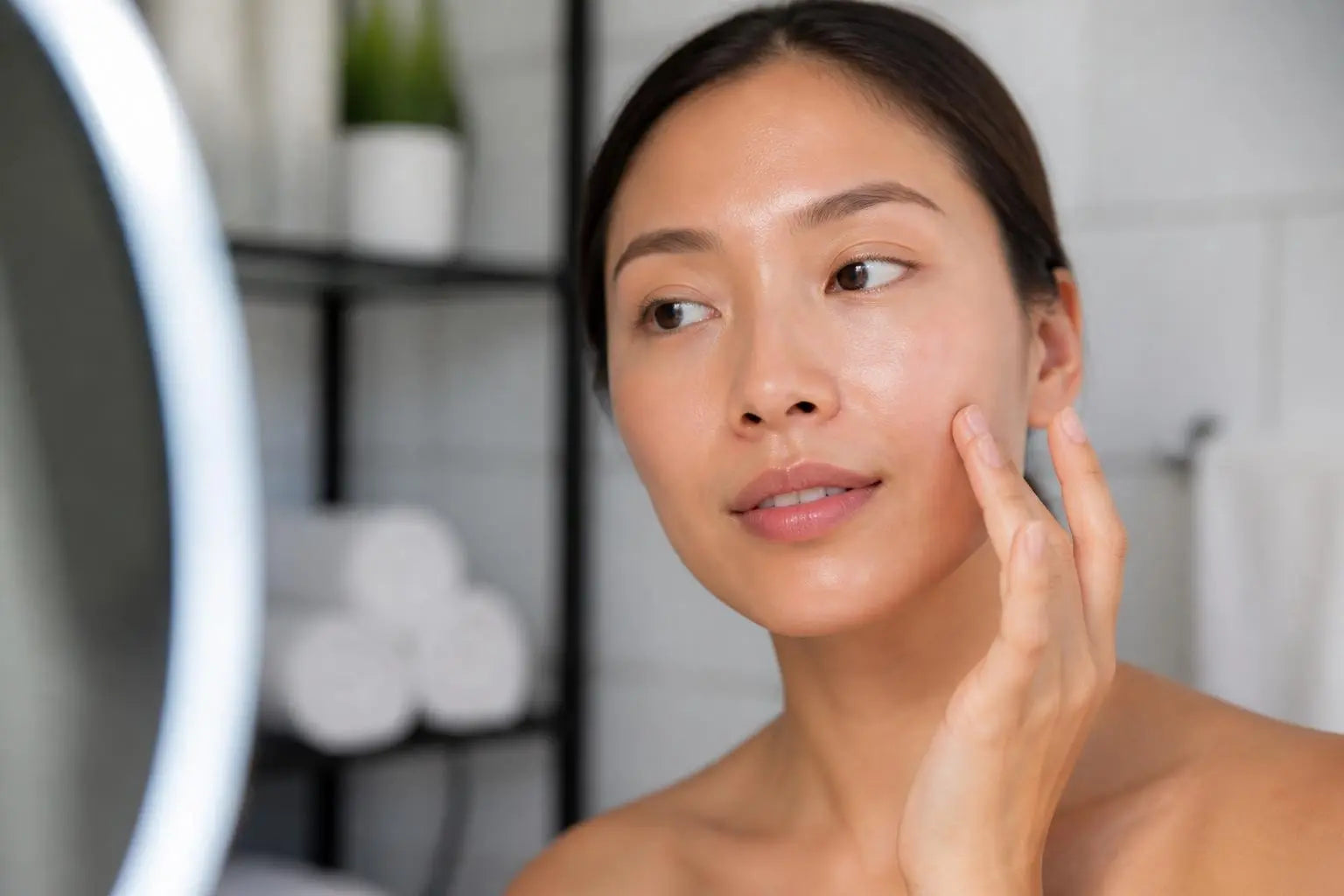
The pursuit of radiant, healthy skin has evolved dramatically over recent years, with dr skin care emerging as a trusted approach to achieving lasting results. When dermatologists share their expertise, they offer more than product recommendations-they provide scientifically-backed strategies that address the root causes of skin concerns. This clinical perspective, combined with luxury formulations inspired by Parisian elegance, creates an optimal path toward skin transformation. Understanding what makes dr skin care effective requires exploring the ingredients, routines, and professional insights that dermatologists champion for their patients and themselves.
The Foundation of Dr Skin Care Philosophy
Dermatologists approach skin health with a methodology grounded in clinical evidence and personalized assessment. Unlike trendy beauty fads that promise overnight miracles, dr skin care focuses on consistent, science-based practices that deliver measurable improvements over time.
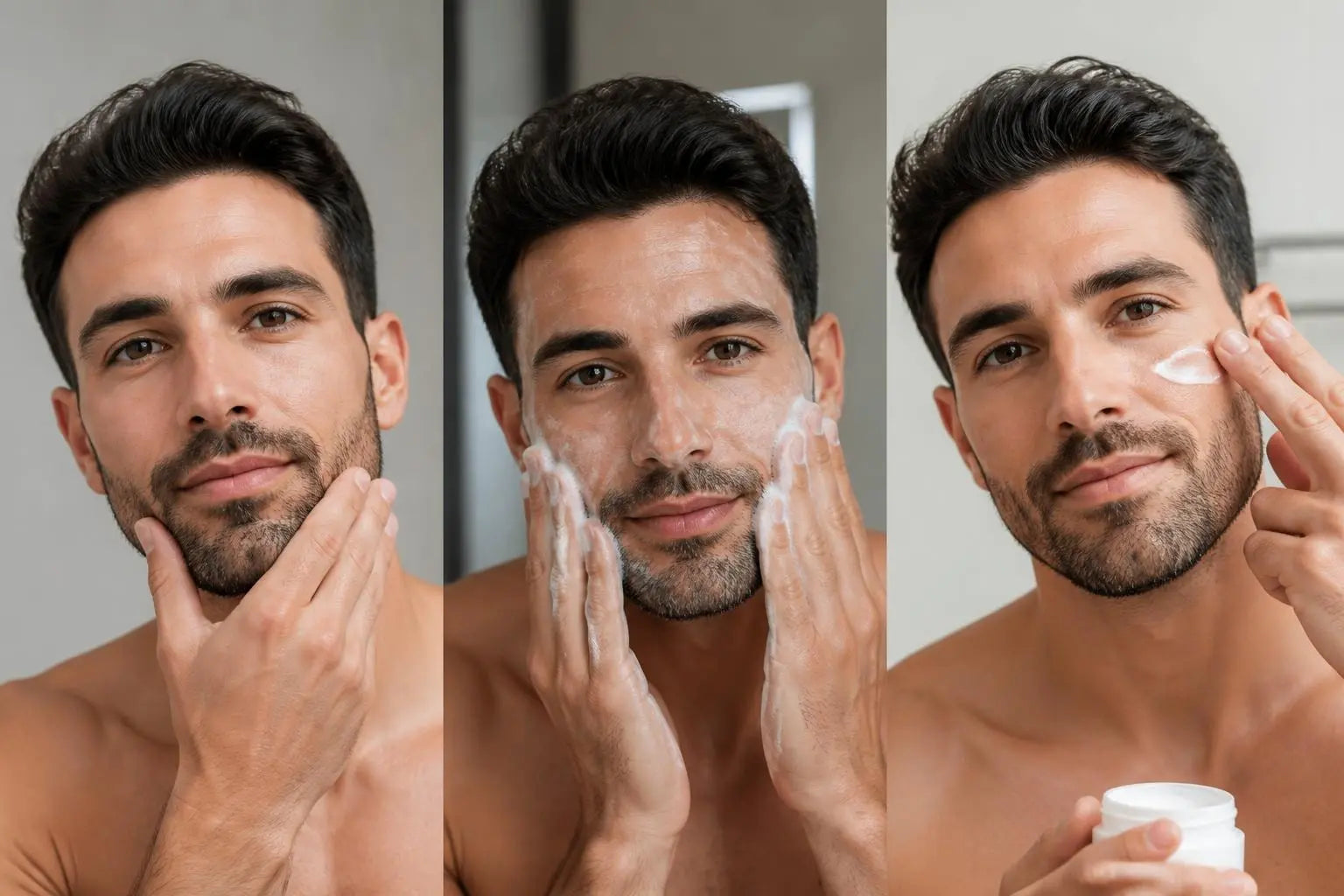
The cornerstone of any dermatologist-recommended routine begins with three non-negotiable elements: gentle cleansing, broad-spectrum sun protection, and targeted treatment. These fundamentals create the framework upon which all other skin care decisions rest. According to Medical News Today's dermatologist recommendations, tailoring these basics to individual skin types-whether dry, oily, combination, or sensitive-maximizes effectiveness while minimizing irritation.
Why Professional Guidance Matters
Board-certified dermatologists spend years studying skin biology, pathology, and treatment modalities. Their recommendations carry weight because they understand:
- How active ingredients penetrate different skin layers
- Which formulations work synergistically versus causing conflicts
- The long-term effects of consistent product use
- How to adjust protocols based on seasonal changes or life stages
This depth of knowledge transforms dr skin care from a generic routine into a strategic approach that evolves with your skin's changing needs. The Cleveland Clinic's skin care tips emphasize that even minor adjustments, such as the temperature of cleansing water or the order of product application, can significantly impact results.
Essential Ingredients Dermatologists Recommend
The ingredient list determines whether a skin care product delivers results or merely occupies bathroom shelf space. Dr skin care prioritizes active components with proven efficacy, backed by peer-reviewed research and clinical trials.
Retinoids: The Gold Standard
Retinoids, derivatives of vitamin A, represent the most extensively studied anti-aging ingredient in dermatology. Northwestern Medicine highlights how these compounds accelerate cell turnover, stimulate collagen production, and improve skin texture. Prescription-strength tretinoin offers maximum potency, while over-the-counter retinol provides accessible benefits for those beginning their journey.
Benefits of retinoid integration:
- Reduction in fine lines and wrinkles
- Improvement in hyperpigmentation and dark spots
- Enhanced skin firmness and elasticity
- Minimized pore appearance
- Prevention of acne breakouts
For individuals exploring new skin products in 2026, starting with lower concentrations and gradually increasing frequency prevents the irritation and peeling commonly associated with retinoid initiation.
Vitamin C: Antioxidant Protection
L-ascorbic acid, the most potent form of vitamin C, provides essential protection against environmental damage. This powerful antioxidant neutralizes free radicals generated by UV exposure and pollution while brightening skin tone and supporting collagen synthesis. When formulated at concentrations between 10-20% with a pH below 3.5, vitamin C serums deliver optimal penetration and stability.
Hyaluronic Acid: Deep Hydration
This moisture-binding molecule holds up to 1,000 times its weight in water, making it invaluable for maintaining skin hydration across all skin types. Unlike heavy oils that may clog pores, hyaluronic acid provides lightweight moisture that plumps skin and reduces the appearance of fine lines. Products containing multiple molecular weights of hyaluronic acid deliver hydration at various skin depths for comprehensive moisture retention.
| Ingredient Category | Primary Benefit | Best For | Application Timing |
|---|---|---|---|
| Retinoids | Cell turnover & anti-aging | Fine lines, texture | Evening only |
| Vitamin C | Antioxidant protection | Brightening, prevention | Morning routine |
| Hyaluronic Acid | Hydration & plumping | All skin types | Morning & evening |
| Niacinamide | Barrier support | Redness, pores | Morning & evening |
| Ceramides | Moisture retention | Dry, sensitive skin | Morning & evening |
Building Your Dr Skin Care Routine
Constructing an effective regimen requires understanding not just which products to use, but also their proper sequence and frequency. The American Academy of Dermatology's skin care secrets emphasize that even premium products fail when applied incorrectly.
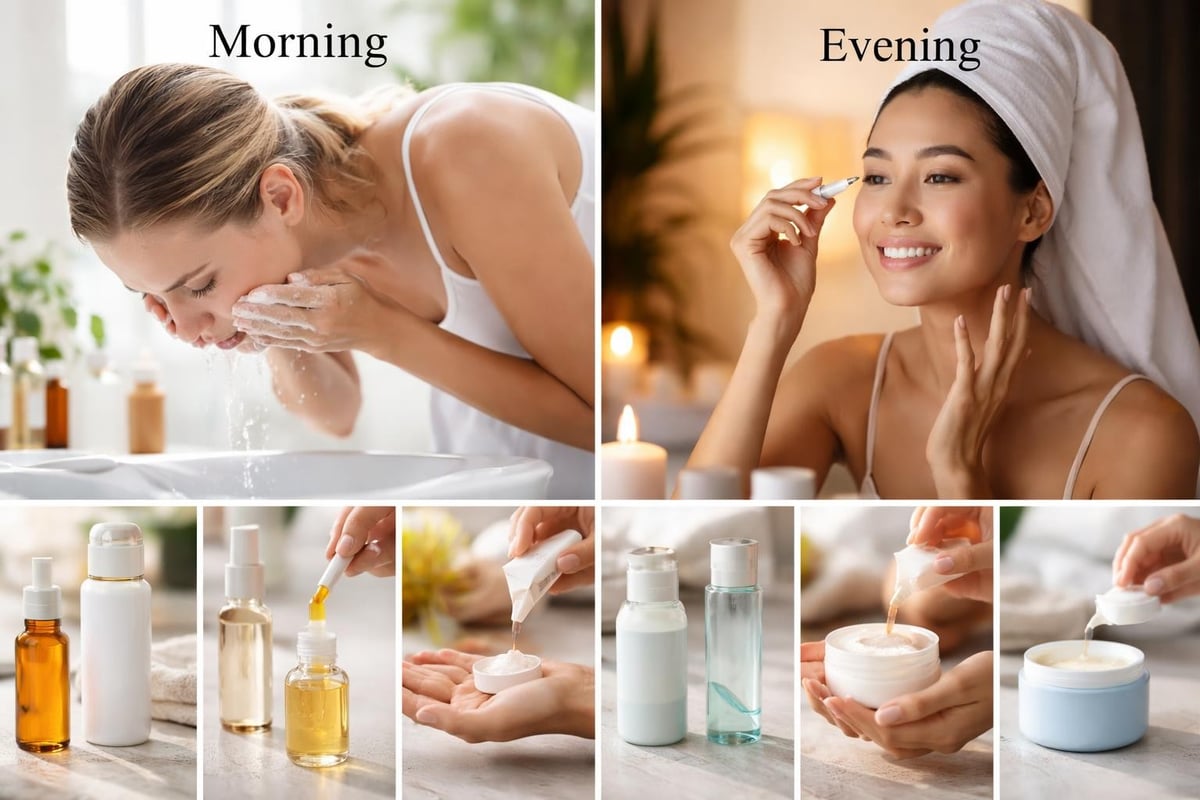
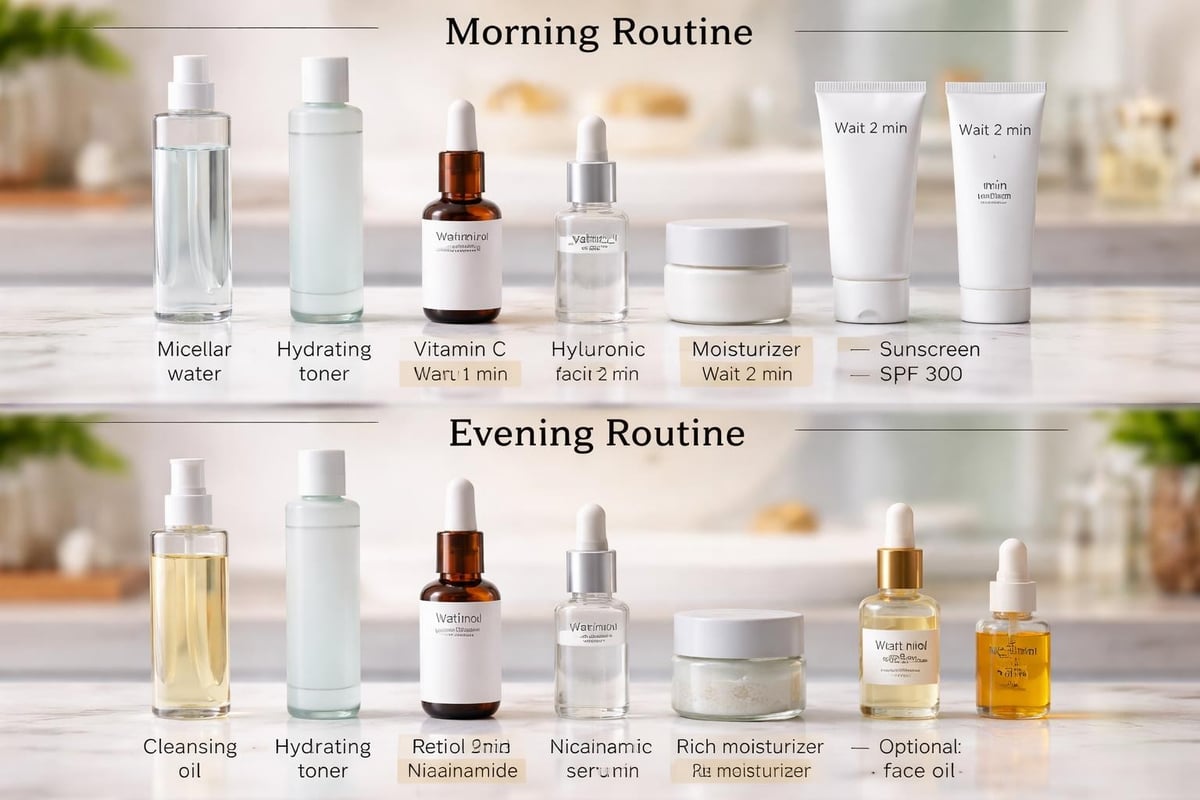
Morning Protocol
- Cleanse gently with a formula appropriate for your skin type-cream-based for dry skin, gel-based for oily
- Apply antioxidant serum such as vitamin C to protect against daily environmental stressors
- Layer moisturizer to seal in hydration and support skin barrier function
- Finish with broad-spectrum SPF 30 or higher, reapplying every two hours during sun exposure
The morning routine prioritizes protection, creating a defensive shield against UV rays, pollution, and oxidative stress that accelerate aging and cause hyperpigmentation.
Evening Protocol
- Double cleanse starting with oil-based cleanser to remove makeup and sunscreen, followed by water-based cleanser
- Apply treatment serums targeting specific concerns (retinoids, peptides, growth factors)
- Use eye cream formulated for the delicate periorbital area
- Seal with night moisturizer that supports overnight repair processes
For those managing stressed skin, the evening routine offers an opportunity to incorporate calming ingredients like centella asiatica or niacinamide that reduce inflammation while you sleep.
Advanced Dr Skin Care Strategies
Once foundational practices become habitual, advanced techniques can address specific concerns with greater precision. Professional-grade approaches incorporate targeted treatments, periodic intensives, and strategic product cycling.
Treating Hyperpigmentation
Melasma, post-inflammatory hyperpigmentation, and sun damage require multi-pronged approaches combining:
- Tyrosinase inhibitors such as kojic acid, tranexamic acid, or arbutin
- Exfoliating acids including glycolic, lactic, or mandelic acid to accelerate dark spot fading
- Strict sun protection since UV exposure triggers melanin production
- Professional treatments like chemical peels or laser therapy for stubborn discoloration
The integration of these elements creates synergistic effects that individual products cannot achieve alone. Many individuals discover that premium formulations, such as those available at Velours de Paris, combine multiple active ingredients in elegant textures that enhance compliance.
Addressing Fine Lines and Texture
Aging skin benefits from layering complementary actives that work through different mechanisms:
Effective combination protocols:
- Morning: Vitamin C serum + peptide moisturizer + SPF
- Evening: Retinoid treatment + ceramide-rich repair cream
- Weekly: Gentle enzyme or acid exfoliation to remove dead cell buildup
These protocols align with recommendations from TIME magazine's dermatologist insights, which emphasize consistency over complexity. Better results come from using fewer high-quality products regularly than rotating through extensive collections sporadically.
Managing Sensitive or Reactive Skin
Dr skin care for sensitive skin requires strategic ingredient selection and careful monitoring. Key principles include:
- Avoiding fragrance, essential oils, and high concentrations of potent actives
- Incorporating barrier-supporting ingredients like ceramides and cholesterol
- Introducing new products one at a time with two-week intervals
- Choosing mineral sunscreens over chemical filters when experiencing reactivity
Those exploring options like face products for oily skin should remember that oil production often stems from dehydration, making lightweight hydrators essential even for sebum-prone complexions.
The Economics of Dr Skin Care Investment
Understanding where to allocate your skin care budget maximizes returns on investment. Dermatologists frequently emphasize that not all products require premium pricing, while others justify their cost through concentrated formulations and clinical-grade ingredients.
Where to Invest
High-priority spending areas:
- Treatment serums with active ingredients (retinoids, vitamin C, growth factors)
- Broad-spectrum sunscreen with proven photostability
- Gentle, pH-balanced cleansers that don't strip skin
- Professional treatments that deliver results unattainable at home
Kiplinger's expert advice on beauty spending suggests investing in products where ingredient quality, concentration, and formulation technology make tangible differences in efficacy.
Where to Save
Certain product categories offer excellent performance across price points:
- Basic moisturizers with simple, effective ingredient lists
- Makeup remover wipes or cleansing oils
- Sheet masks for occasional pampering
- Body lotions and hand creams
The key lies in understanding ingredient percentages and formulation science rather than being swayed by luxury packaging or celebrity endorsements. When brands like Velours de Paris combine clinical efficacy with refined elegance, they offer value that extends beyond basic functionality to create a sensorial experience that enhances daily routines.
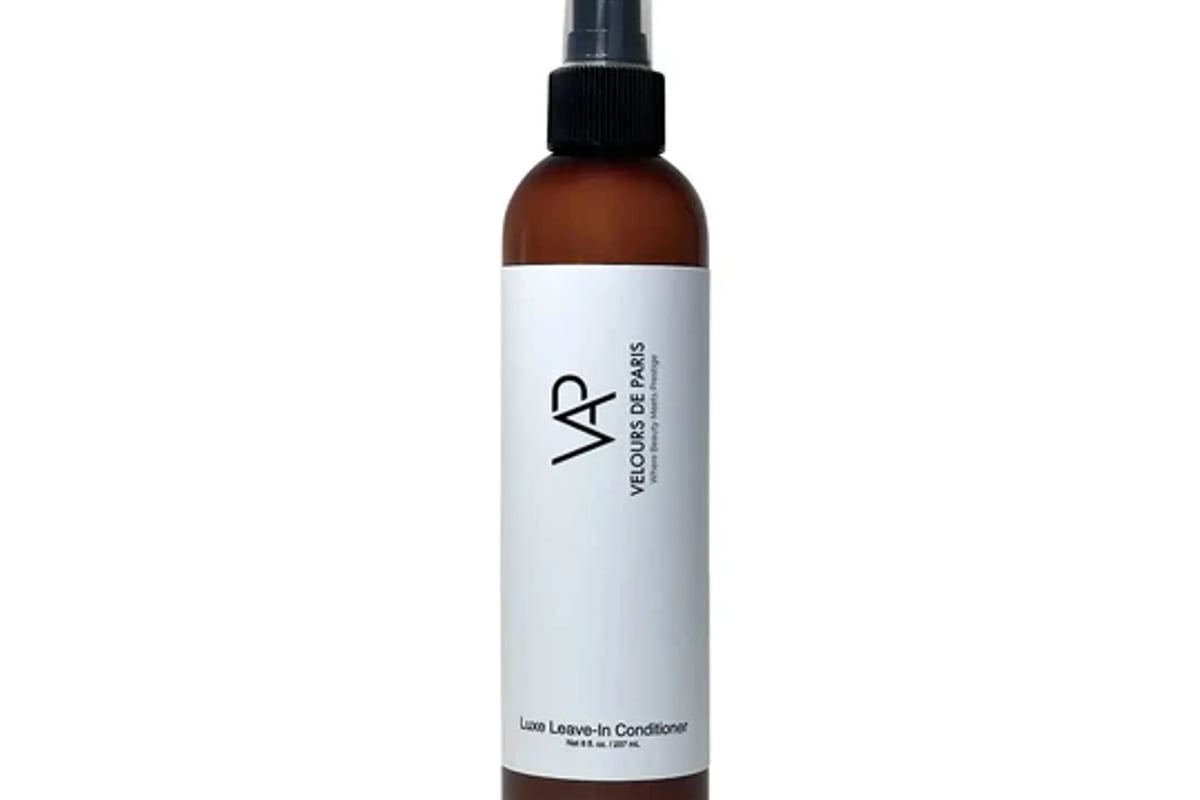
Velours de Paris delivers this balance through meticulously crafted formulations that honor both skin science and Parisian beauty traditions, offering free shipping on all orders to make luxury skin care more accessible.
| Investment Priority | Cost Range | Replacement Frequency | Value Indicator |
|---|---|---|---|
| Retinoid Treatment | $$-$$$ | 2-3 months | Clinical studies, concentration |
| Vitamin C Serum | $$-$$$ | 2-3 months | Stability, packaging, percentage |
| Sunscreen SPF 30+ | $-$$ | 1-2 months | Broad spectrum, cosmetic elegance |
| Gentle Cleanser | $-$$ | 2-3 months | pH balance, no sulfates |
| Hydrating Moisturizer | $-$$$ | 2-4 months | Barrier lipids, humectants |
Seasonal Adjustments in Dr Skin Care
Professional dermatologists adjust their recommendations based on environmental conditions that fluctuate throughout the year. Dr skin care in 2026 acknowledges that static routines fail to address the dynamic challenges skin faces across seasons.
Winter Modifications
Cold air and indoor heating deplete skin moisture, necessitating:
- Richer, more occlusive moisturizers containing shea butter or squalane
- Humidifier use to maintain ambient moisture levels
- Reduced frequency of exfoliating treatments
- Continued diligent sunscreen application despite overcast skies
Those utilizing products like sun skin cream should remember that UV rays penetrate clouds and reflect off snow, making year-round protection essential.
Summer Adaptations
Heat and humidity require lighter formulations and enhanced protection:
- Transition to gel or fluid moisturizers that won't feel heavy
- Increase sunscreen application frequency, especially during outdoor activities
- Incorporate antioxidant serums that combat UV-induced free radical damage
- Use oil-control products if sebum production increases
Transitional Seasons
Spring and fall offer opportunities to introduce new actives or increase retinoid strength. Milder temperatures and reduced sun exposure make these ideal periods for:
- Beginning retinoid therapy or advancing to higher concentrations
- Incorporating professional treatments like chemical peels
- Addressing hyperpigmentation accumulated during summer
- Repairing barrier damage from winter dryness
The flexibility to adjust protocols demonstrates the personalized nature of effective dr skin care, moving beyond one-size-fits-all approaches toward responsive strategies.
Common Dr Skin Care Mistakes to Avoid
Even well-intentioned routines can sabotage results when certain errors persist. Dermatologists consistently identify these counterproductive practices among patients seeking to improve their skin health.
Over-Exfoliation
The pursuit of smooth, glowing skin sometimes leads to excessive exfoliation through physical scrubs, daily acid peels, or aggressive brush cleansing. This damages the skin barrier, triggering:
- Increased sensitivity and redness
- Paradoxical breakouts as compromised barriers allow bacterial penetration
- Moisture loss and dehydration
- Accelerated aging from chronic low-grade inflammation
Dermatologists recommend limiting chemical exfoliation to 2-3 times weekly and avoiding harsh physical scrubs entirely in favor of gentle enzyme treatments.
Inconsistent Sunscreen Use
The Associated Press reports that dermatologists advocate for daily sunscreen application regardless of weather, season, or indoor versus outdoor activities. UVA rays penetrate windows, and cumulative exposure drives photoaging even without sunburn.
Critical sunscreen practices:
- Apply 1/4 teaspoon to face and neck 15 minutes before sun exposure
- Reapply every two hours during extended outdoor time
- Use water-resistant formulas during exercise or swimming
- Choose broad-spectrum protection against both UVA and UVB rays
Mixing Incompatible Actives
Certain ingredient combinations neutralize each other or cause irritation when used simultaneously:
- Retinoids + Vitamin C (different pH requirements)
- Retinoids + AHAs/BHAs (excessive irritation potential)
- Vitamin C + Niacinamide at high concentrations (though newer research suggests compatibility)
- Benzoyl peroxide + Retinoids (oxidation and degradation)
Strategic timing separates incompatible ingredients-using vitamin C in morning routines and retinoids at night, for example-while maintaining efficacy.
Dr Skin Care Across Life Stages
Skin care needs evolve as hormonal fluctuations, environmental exposure, and intrinsic aging alter skin characteristics. Professional guidance helps navigate these transitions effectively.
Ages 20-30: Prevention Foundation
Early adulthood establishes protective habits that pay dividends for decades. Priorities include:
- Daily broad-spectrum sunscreen to prevent cumulative UV damage
- Gentle cleansing that preserves skin barrier integrity
- Lightweight hydration appropriate for typically resilient young skin
- Spot treatment for occasional breakouts without over-drying
Building these foundational habits during the twenties creates the framework for lifelong skin health. Exploring offerings from brands focused on quality, such as those in the Velours de Paris collection, helps establish routines that feel luxurious rather than burdensome.
Ages 30-40: Early Intervention
The thirties bring subtle changes-fine lines around eyes, slight loss of firmness, and possible hyperpigmentation from prior sun exposure. Dr skin care during this decade introduces:
- Retinoid therapy to stimulate collagen and prevent deeper wrinkle formation
- Antioxidant serums providing environmental protection
- Eye creams addressing emerging concerns in the periorbital area
- Potentially professional treatments like laser therapy or neurotoxins
Ages 40-50: Comprehensive Anti-Aging
Hormonal shifts, particularly perimenopause in women, affect skin texture, moisture retention, and elasticity. Advanced strategies include:
- Prescription-strength retinoids or combination therapies
- Peptide-rich formulations supporting collagen synthesis
- Richer moisturizers with barrier-repairing lipids
- Growth factor serums accelerating cellular renewal
- Regular professional treatments for concerns unresponsive to topicals
Ages 50+: Maintenance and Repair
Mature skin benefits from gentle yet effective approaches that respect increased sensitivity while addressing accumulated damage. Focus areas include:
- Barrier-supporting ingredients like ceramides and cholesterol
- Continued retinoid use at tolerated concentrations
- Intense hydration combating moisture loss
- Specialized treatments for concerns like crepiness or deep wrinkles
- Strategic professional interventions maintaining results
Throughout all life stages, consistency trumps perfection. The most effective dr skin care routine is the one you'll actually follow daily.
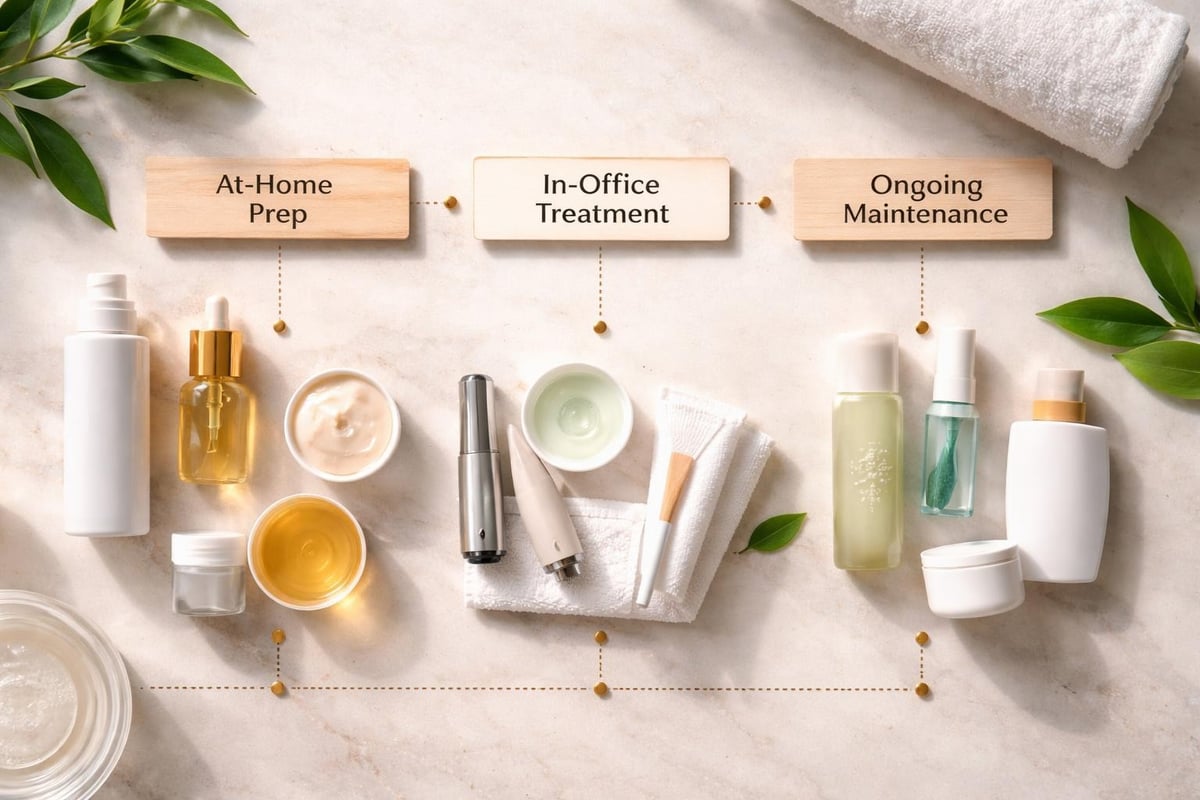
Integrating Professional Treatments
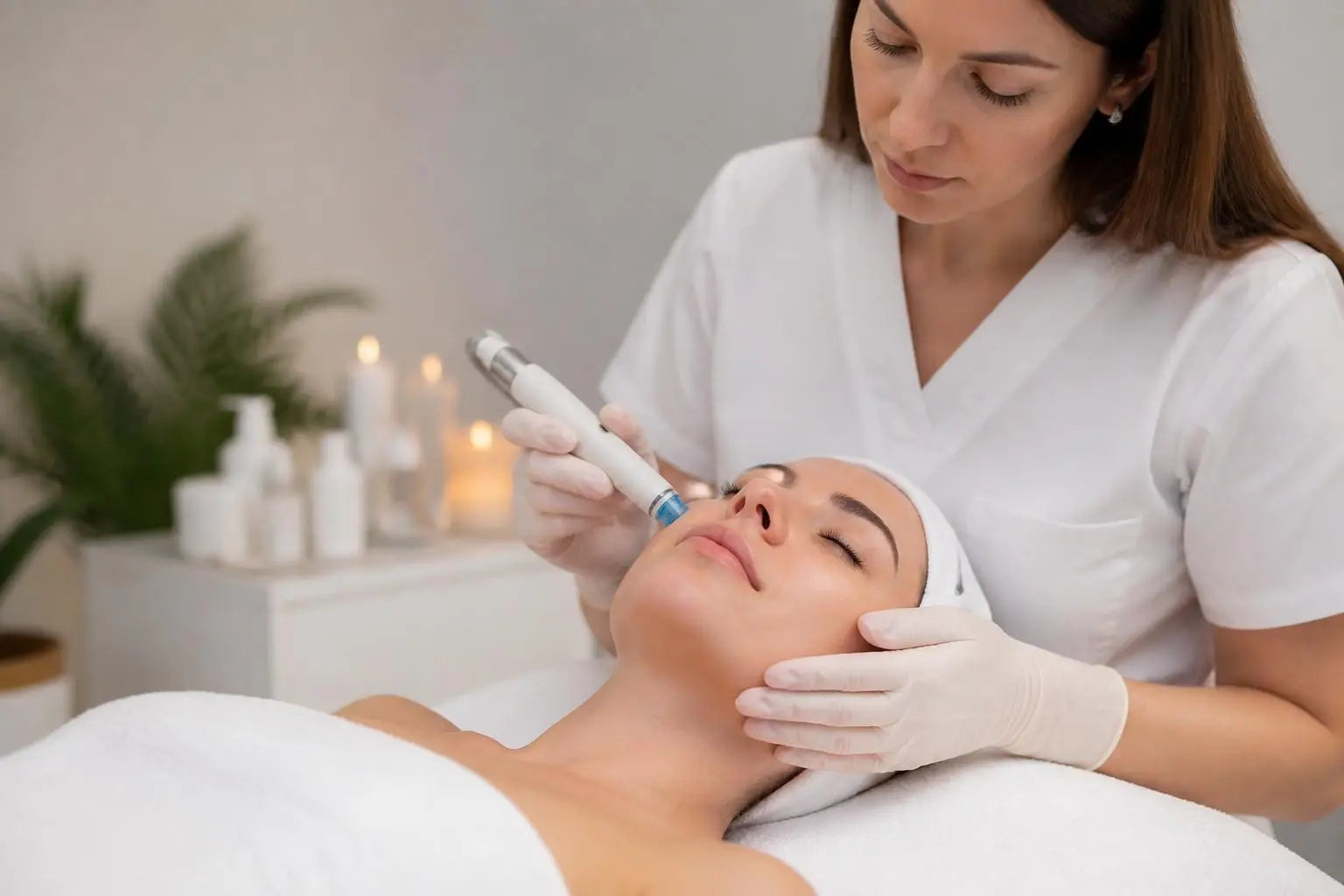
While home care forms the backbone of skin health, periodic professional interventions can address concerns beyond topical product capabilities. Understanding which treatments complement your routine optimizes results.
Chemical Peels
These controlled acid applications remove damaged surface layers, revealing fresher skin beneath. Options range from superficial lunchtime peels requiring no downtime to medium-depth peels necessitating recovery periods. Chemical peels excel at:
- Improving texture and tone uniformity
- Reducing hyperpigmentation
- Minimizing fine lines
- Clearing congested pores
Proper home care before and after peels-including discontinued retinoid use several days prior and enhanced sun protection afterward-ensures optimal results and prevents complications.
Laser and Light Therapies
Various wavelengths target specific chromophores within skin, addressing concerns through selective photothermolysis. Common applications include:
- IPL (Intense Pulsed Light) for sun damage and redness
- Fractional lasers for texture improvement and scar reduction
- Vascular lasers for broken capillaries and rosacea
- Pigment lasers for stubborn dark spots
Microneedling and Radiofrequency
These collagen-induction therapies create controlled micro-injuries that trigger healing responses. Benefits include improved firmness, reduced scarring, and enhanced product penetration. When combined with growth factors or PRP (platelet-rich plasma), results often surpass individual treatments.
Mastering dr skin care requires understanding that healthy, radiant skin results from consistent, science-based practices tailored to individual needs rather than following fleeting trends. By prioritizing proven ingredients, appropriate application techniques, and professional guidance when needed, you create sustainable routines that deliver lasting improvements. Velours de Paris combines dermatological wisdom with Parisian refinement, offering luxury formulations that transform daily skin care into moments of self-care worthy of the results they deliver.