Cart
0
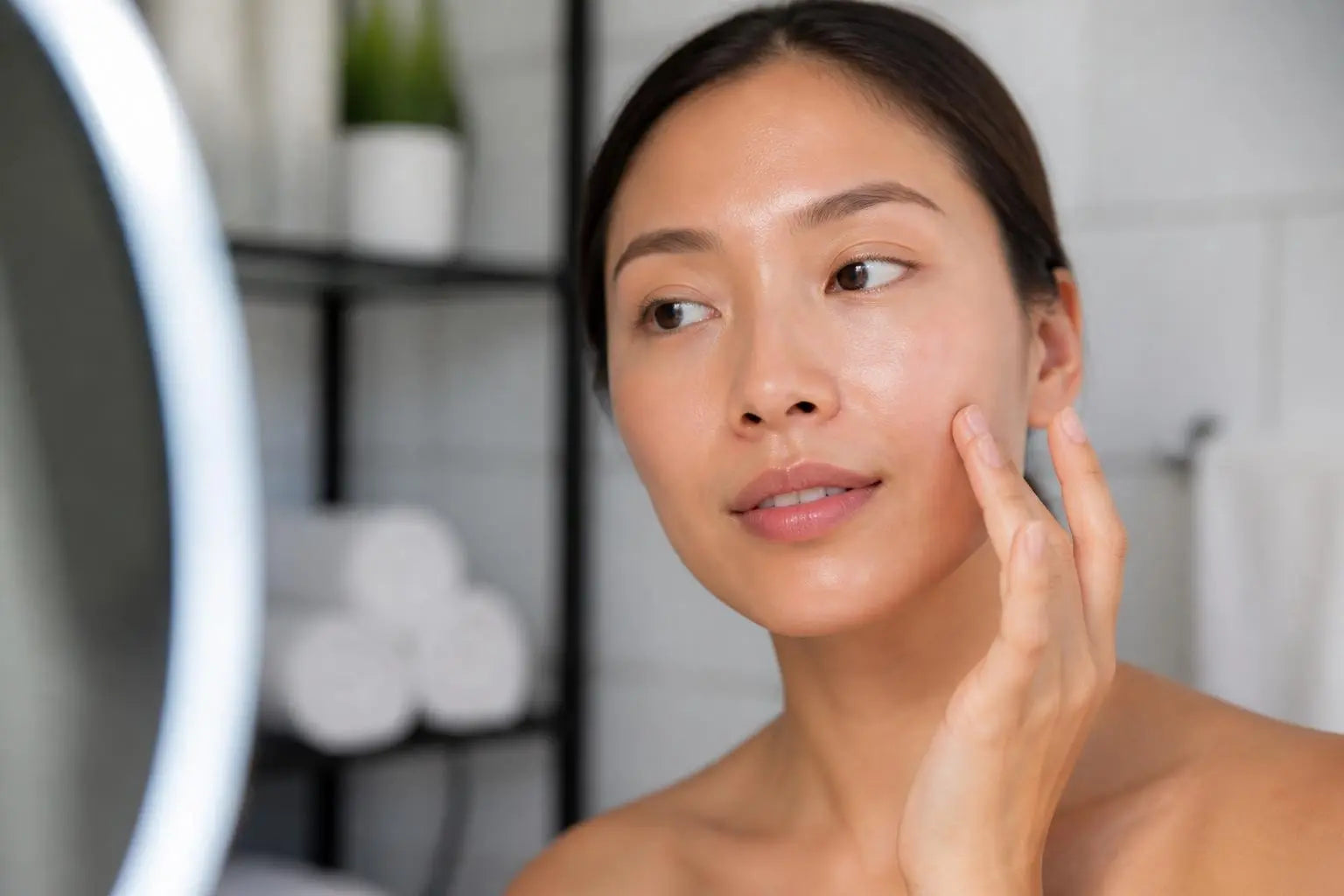
Lactic acid has emerged as one of the most sought-after ingredients in luxury skincare, offering gentle yet effective exfoliation that transforms dull, uneven skin into a radiant, refined complexion. As an alpha hydroxy acid (AHA) derived from milk, this powerhouse ingredient delivers remarkable results for those seeking to elevate their skincare routine with professional-grade efficacy. Understanding which formulations deliver the best lactic acid for skin can be the difference between mediocre results and the luminous, Parisian-inspired glow you desire.
Understanding Lactic Acid and Its Skin Benefits
Lactic acid belongs to the alpha hydroxy acid family, working by gently dissolving the bonds that hold dead skin cells together on the surface. This process reveals fresher, younger-looking skin underneath while simultaneously improving texture and tone.
The benefits of lactic acid for skin care extend far beyond simple exfoliation. This ingredient offers multiple advantages that make it particularly valuable for those seeking refined, elegant skincare results:
- Gentle exfoliation suitable for sensitive skin types
- Hydration enhancement through improved moisture retention
- Fine line reduction by promoting cellular turnover
- Hyperpigmentation fading for more even skin tone
- Texture refinement creating smoother, softer skin
- Pore minimization through regular cellular renewal
What distinguishes lactic acid from other AHAs is its larger molecular size, which means it penetrates more slowly and causes less irritation. According to Medical News Today, this characteristic makes it particularly suitable for individuals with sensitive or dry skin who want effective exfoliation without harsh side effects.
Why Lactic Acid Stands Out Among AHAs
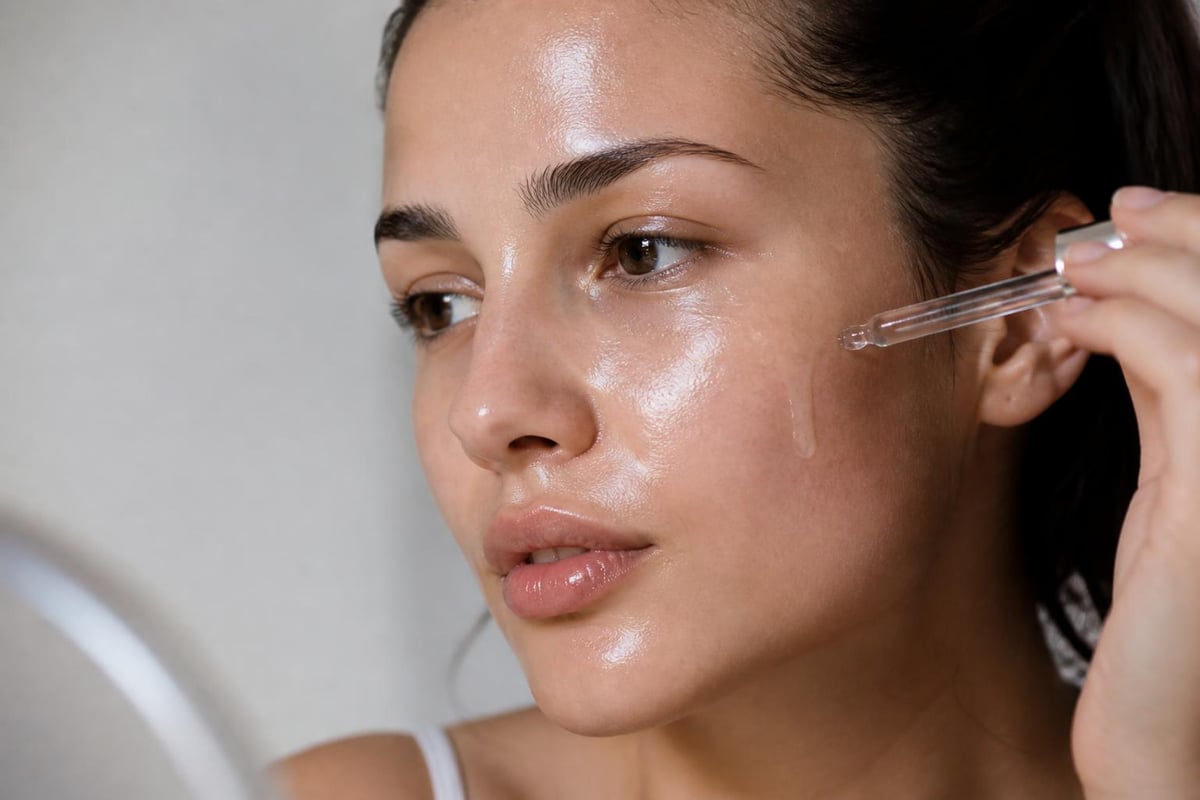
The best lactic acid for skin formulations leverage this ingredient's unique properties to deliver superior results. Unlike glycolic acid, which has a smaller molecular structure and penetrates more aggressively, lactic acid provides comparable benefits with notably reduced irritation potential.
Lactic acid also functions as a humectant, attracting moisture to the skin rather than simply removing dead cells. This dual action creates a smoother, more hydrated complexion that reflects the refined elegance expected from premium skincare products.
Concentration Levels and What They Mean
Selecting the best lactic acid for skin requires understanding concentration percentages and how they affect your results. Different strengths serve different purposes and skin types.
| Concentration | Suitable For | Expected Results | Frequency |
|---|---|---|---|
| 5-8% | Beginners, sensitive skin | Gentle brightening, mild exfoliation | Daily or every other day |
| 10-12% | Intermediate users | Noticeable texture improvement, even tone | 2-3 times weekly |
| 15-20% | Experienced users | Significant resurfacing, dark spot reduction | 1-2 times weekly |
| 30%+ | Professional treatments | Intensive renewal, clinical results | Monthly (professional only) |
Starting with lower concentrations allows your skin to build tolerance gradually. Many luxury skincare enthusiasts begin at 5-8% before advancing to stronger formulations as their skin adapts.
Professional treatments using higher concentrations should only be performed by licensed estheticians. These lactic acid peels deliver dramatic results but require proper application and post-treatment care to avoid complications.
Key Features of Quality Lactic Acid Products
The best lactic acid for skin formulations share several distinguishing characteristics that separate exceptional products from mediocre alternatives.
pH Level Considerations
Effective lactic acid products maintain a pH between 3.5 and 4.0. This acidic environment allows the ingredient to work optimally without causing excessive irritation. Products with higher pH levels may feel gentler initially but deliver diminished results.
Supporting Ingredients
Premium formulations combine lactic acid with complementary ingredients that enhance efficacy and minimize potential side effects:
- Hyaluronic acid for added hydration
- Niacinamide to strengthen skin barrier
- Peptides for anti-aging benefits
- Antioxidants to protect against environmental damage
- Soothing botanicals like chamomile or green tea
The synergy between lactic acid and these supporting ingredients creates products that deliver comprehensive skincare benefits while maintaining the gentle, refined approach expected from luxury formulations.
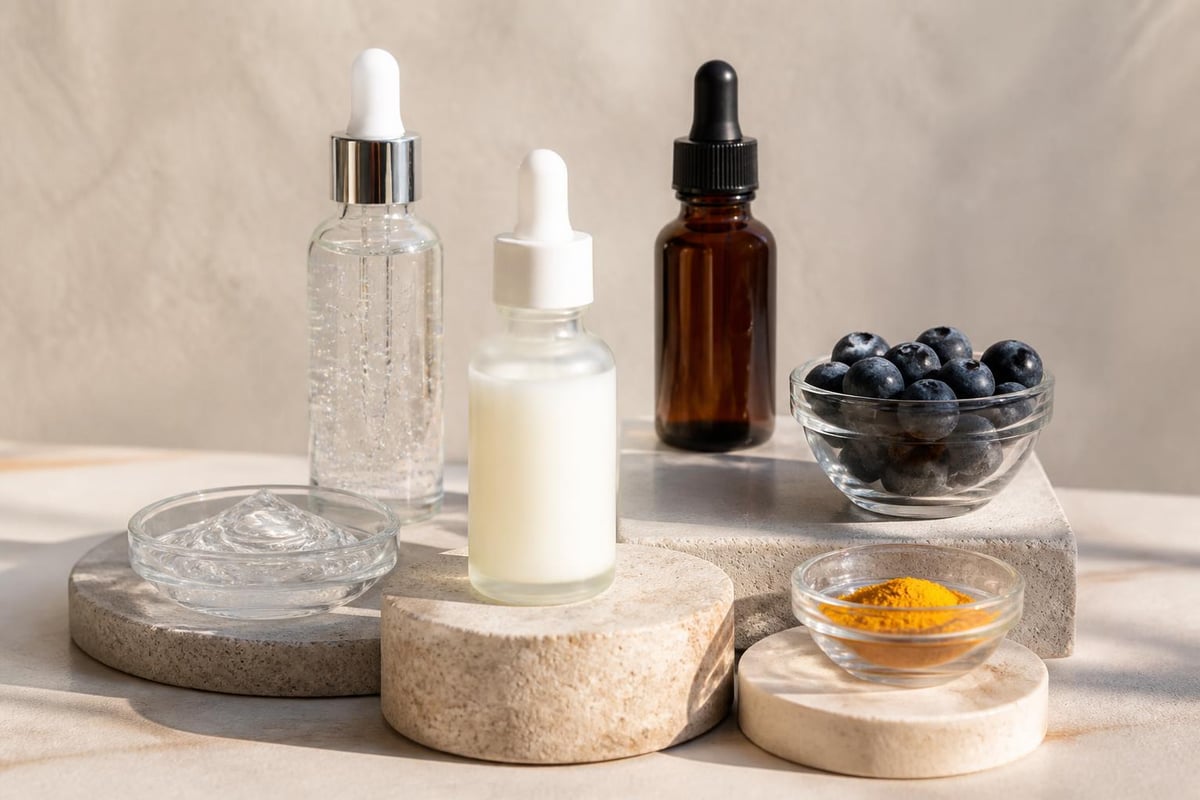
Best Lactic Acid Product Types for Different Needs
The market offers various lactic acid formats, each serving specific skincare goals and preferences. Understanding these options helps you identify the best lactic acid for skin based on your unique requirements.
Serums and Treatments
Concentrated serums typically contain 10-15% lactic acid and deliver targeted treatment to specific concerns. These products work best when applied after cleansing but before moisturizing, allowing the active ingredient maximum contact with skin.
Cleansers
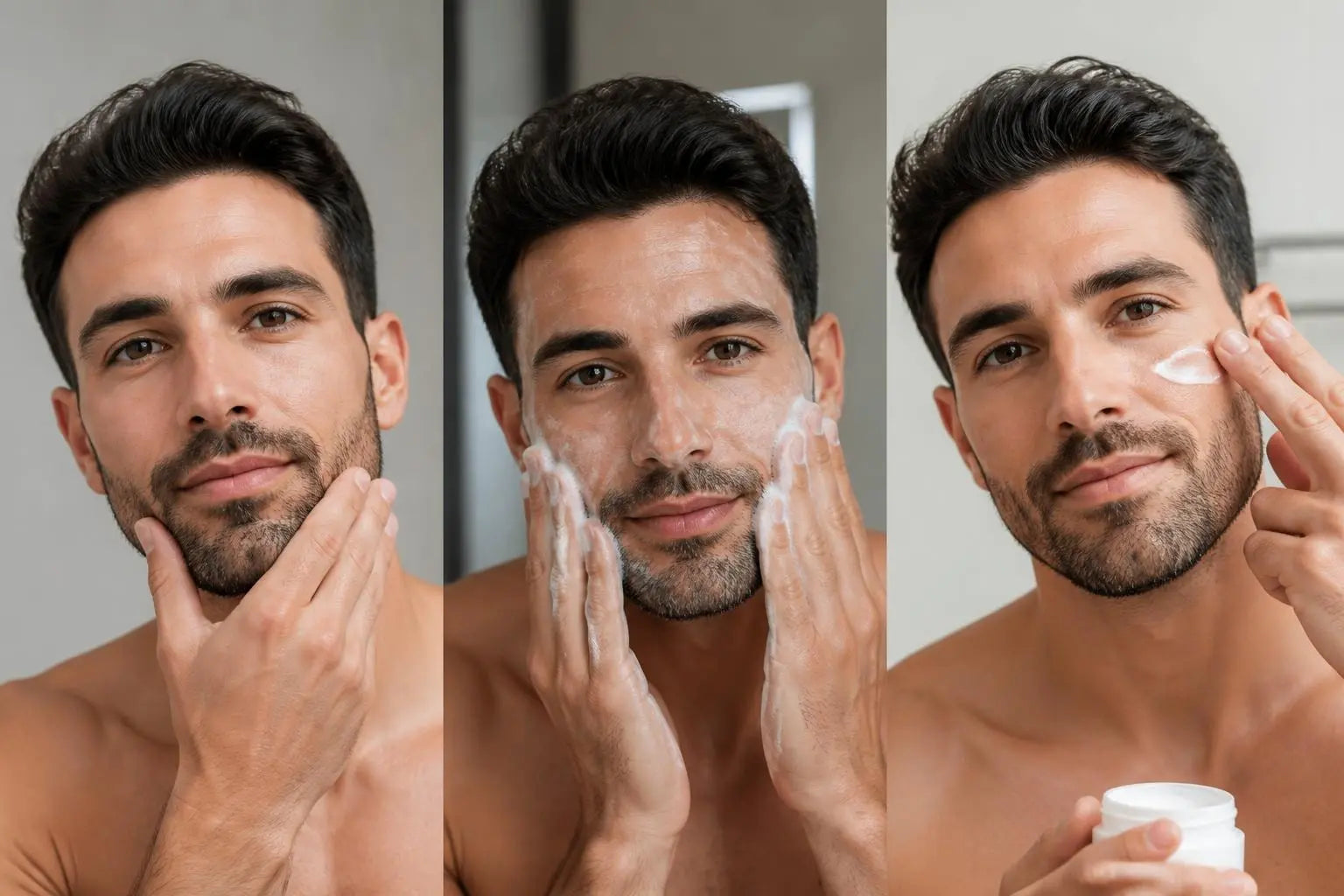
Daily cleansers with 2-5% lactic acid provide gentle exfoliation during your regular cleansing routine. While less concentrated, they offer consistent benefits without requiring additional treatment steps.
Moisturizers
Lactic acid moisturizers combine exfoliation with hydration in a single step. These products generally contain 5-10% lactic acid and suit those seeking simplified routines without compromising results. Exploring options like a soothing moisturizer can complement your lactic acid routine by providing additional calming benefits.
Night Masks and Overnight Treatments
Higher-concentration products designed for overnight use capitalize on skin's natural repair processes during sleep. These treatments typically range from 10-15% lactic acid and deliver intensive renewal while you rest.
Professional Peels
Clinical-strength peels (30-50% lactic acid) administered by professionals provide the most dramatic results. These treatments require downtime and careful aftercare but can address significant texture issues, deep hyperpigmentation, and advanced signs of aging.
Choosing Based on Your Skin Type
The best lactic acid for skin varies depending on individual skin characteristics and concerns. Tailoring your selection ensures optimal results while minimizing adverse reactions.
Dry Skin: Look for 5-10% lactic acid in creamy, hydrating bases. The ingredient's humectant properties particularly benefit dry skin by improving moisture retention while gently removing flaky, dead cells.
Oily Skin: Higher concentrations (10-15%) in lightweight serums help control excess sebum while refining enlarged pores. Regular use can reduce the appearance of congestion and create a smoother surface.
Sensitive Skin: Begin with 5% concentrations and observe your skin's response. Research on lactic acid confirms its suitability for sensitive types when introduced gradually with proper formulation support.
Combination Skin: Products containing 8-12% lactic acid balance exfoliation across different facial zones without over-treating or under-treating specific areas.
Mature Skin: Concentrations of 10-15% combined with anti-aging ingredients like peptides and retinol alternatives address fine lines, loss of firmness, and uneven tone comprehensively.
Application Techniques for Maximum Benefits
Proper application technique significantly impacts the results you achieve with lactic acid products. Following refined protocols ensures you extract maximum value from your investment.
- Start with clean, dry skin to maximize ingredient penetration
- Apply a small amount (pea-sized for full face) to avoid waste and irritation
- Avoid eye area where skin is particularly delicate
- Wait 20-30 minutes before applying other products
- Follow with appropriate moisturizer to seal in benefits
- Always use SPF during daytime as AHAs increase sun sensitivity
Beginning with 2-3 applications weekly allows skin to adjust before increasing frequency. Some individuals eventually tolerate daily use, while others maintain optimal results with less frequent application.
Combining Lactic Acid with Other Ingredients
Strategic layering maximizes the best lactic acid for skin while avoiding counterproductive combinations that diminish results or increase irritation risk.
Beneficial Combinations
| Lactic Acid + | Benefits | Application Order |
|---|---|---|
| Hyaluronic Acid | Enhanced hydration, plumping | Lactic acid first, then HA |
| Niacinamide | Barrier strengthening, tone evening | Either order works |
| Peptides | Anti-aging amplification | Lactic acid first, then peptides |
| Antioxidants (Vitamin E) | Protection, healing support | Antioxidants after lactic acid |
Combinations to Avoid
Certain ingredient pairings can cause excessive irritation or neutralize effectiveness:
- Vitamin C (L-ascorbic acid): Use at different times of day to prevent pH conflicts
- Retinol: Alternate evenings rather than layering to avoid over-exfoliation
- Physical exfoliants: Redundant and potentially damaging when combined
- Other AHAs/BHAs: Unnecessary layering that increases irritation without proportional benefit
Understanding these interactions allows you to build a sophisticated routine that delivers professional-quality results at home.
What to Expect: Results Timeline
Realistic expectations prevent disappointment and help you identify whether a product delivers the best lactic acid for skin results you seek.
Week 1-2: Initial smoothness and brightness appear as surface dead cells shed. Some users experience mild tingling or temporary sensitivity.
Week 3-4: Texture improvements become more noticeable. Skin tone begins evening as cellular turnover increases.
Week 6-8: Significant changes in fine lines, pore appearance, and overall radiance emerge. Hydration levels improve substantially.
Month 3+: Cumulative benefits include reduced hyperpigmentation, refined texture, and sustained glow. Continued use maintains these improvements.
Consistency proves more important than concentration in achieving long-term results. Regular application at appropriate percentages surpasses sporadic use of stronger formulations.
Safety Considerations and Side Effects
While lactic acid is among the gentlest AHAs, understanding potential side effects helps you use it safely and effectively.
Common temporary reactions include:
- Mild tingling or stinging upon application
- Slight redness that subsides within minutes
- Temporary dryness or flaking as skin adjusts
- Increased sun sensitivity requiring diligent SPF use
Discontinue use if you experience:
- Persistent burning or pain
- Severe redness lasting hours
- Breakouts or rashes
- Swelling or blistering
Patch testing new products on a small area before full-face application identifies sensitivities before widespread reactions occur. This precaution proves particularly important when trying higher concentrations or new brands.
Professional versus At-Home Treatments
Deciding between professional lactic acid peels and at-home products depends on your goals, budget, and comfort level with intensive treatments.
Professional Treatments
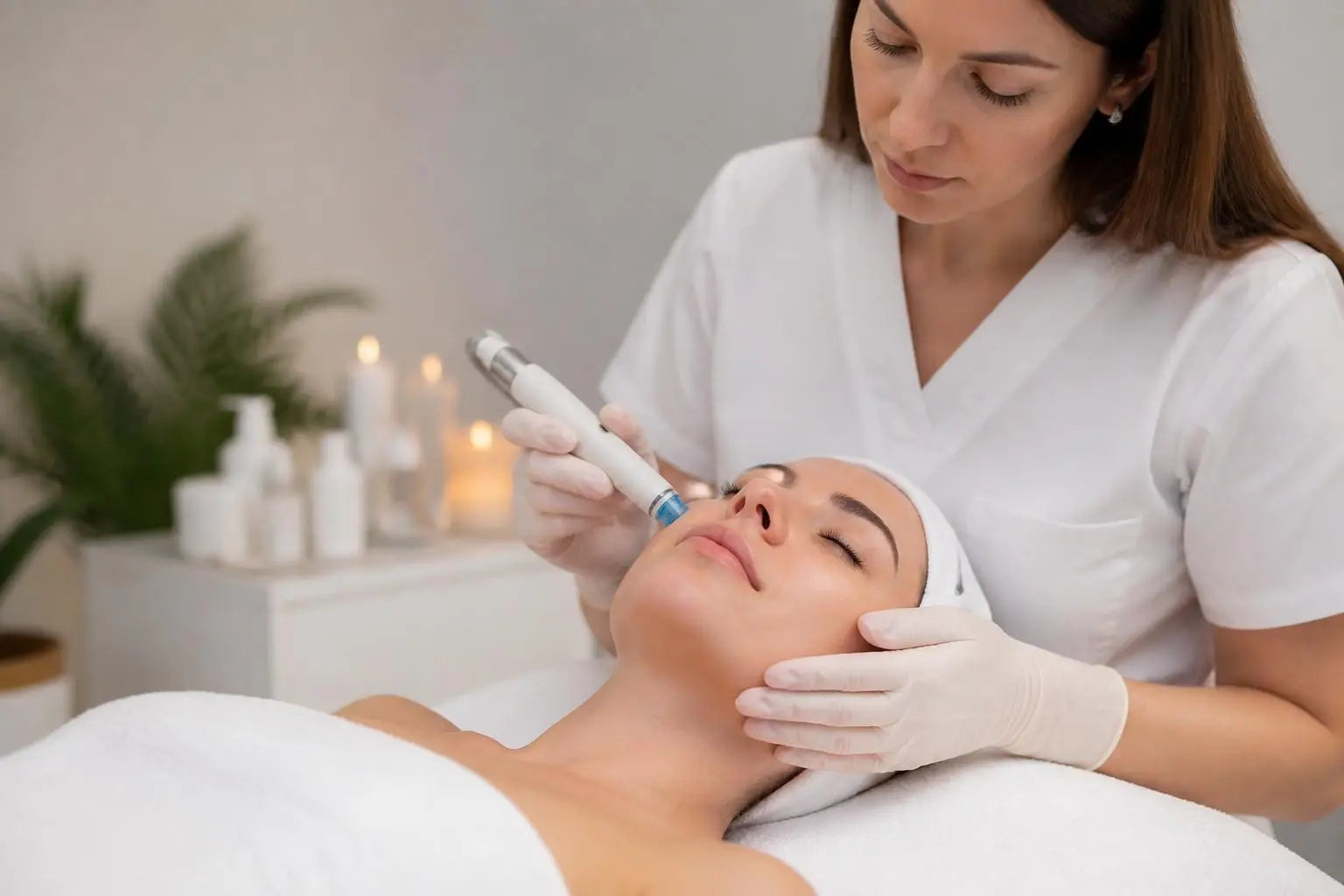
Licensed estheticians can safely apply concentrations up to 50%, delivering results impossible to achieve with over-the-counter products. These sessions typically cost between $100-300 and require 24-72 hours of recovery time.
Professional treatments suit individuals seeking:
- Dramatic improvement in stubborn hyperpigmentation
- Significant texture refinement in minimal time
- Supervised treatment for complex skin concerns
- Expert guidance throughout the process
At-Home Products
Quality at-home formulations containing 5-15% lactic acid provide gradual improvements without downtime or professional fees. These products integrate seamlessly into daily routines and deliver cumulative benefits over time.
At-home treatments work best for:
- Maintenance between professional sessions
- Gentle, consistent improvement without dramatic downtime
- Budget-conscious skincare enthusiasts
- Those comfortable managing their own routines
Many sophisticated skincare users combine both approaches, using professional peels quarterly while maintaining results with daily at-home products.
Seasonal Considerations for Lactic Acid Use
Adapting your lactic acid routine to seasonal changes optimizes results while protecting skin from environmental stressors.
Winter Application
Cold weather and indoor heating create dryness that lactic acid can actually help combat through its hydrating properties. Winter provides an ideal time to use higher concentrations, as reduced sun exposure minimizes photosensitivity concerns.
Pair lactic acid with richer moisturizers during winter months to counteract environmental moisture loss and support barrier function.
Summer Adjustments
Increased sun exposure during summer requires extra caution with AHA use. Consider reducing concentration or frequency while diligently applying broad-spectrum SPF 30 or higher daily.
Some users prefer switching to gentler formulations (5-8%) during peak summer months, resuming stronger concentrations in fall when UV intensity decreases.
Spring and Fall Optimization
Transitional seasons offer ideal conditions for starting new lactic acid products or increasing concentrations. Moderate temperatures and sunshine levels create a forgiving environment for skin adjustment.
Premium Formulation Indicators
Identifying the best lactic acid for skin requires recognizing quality markers that distinguish superior formulations from inferior alternatives.
Buffered formulations include pH adjusters that maintain optimal acidity while minimizing irritation. This sophistication separates luxury products from basic alternatives.
Airless packaging preserves ingredient integrity by preventing oxidation and contamination. Pump bottles and airless containers indicate manufacturer commitment to product efficacy.
Comprehensive ingredient lists featuring multiple supporting actives demonstrate formulation expertise. The best products never rely on lactic acid alone but create synergistic combinations.
Clinical testing and transparency about concentration percentages show manufacturer confidence and commitment to results. Vague claims about "effective exfoliation" without specific concentrations often indicate inferior products.
Elegant textures that absorb quickly without residue reflect formulation skill and attention to user experience. Premium products feel luxurious while delivering clinical results.
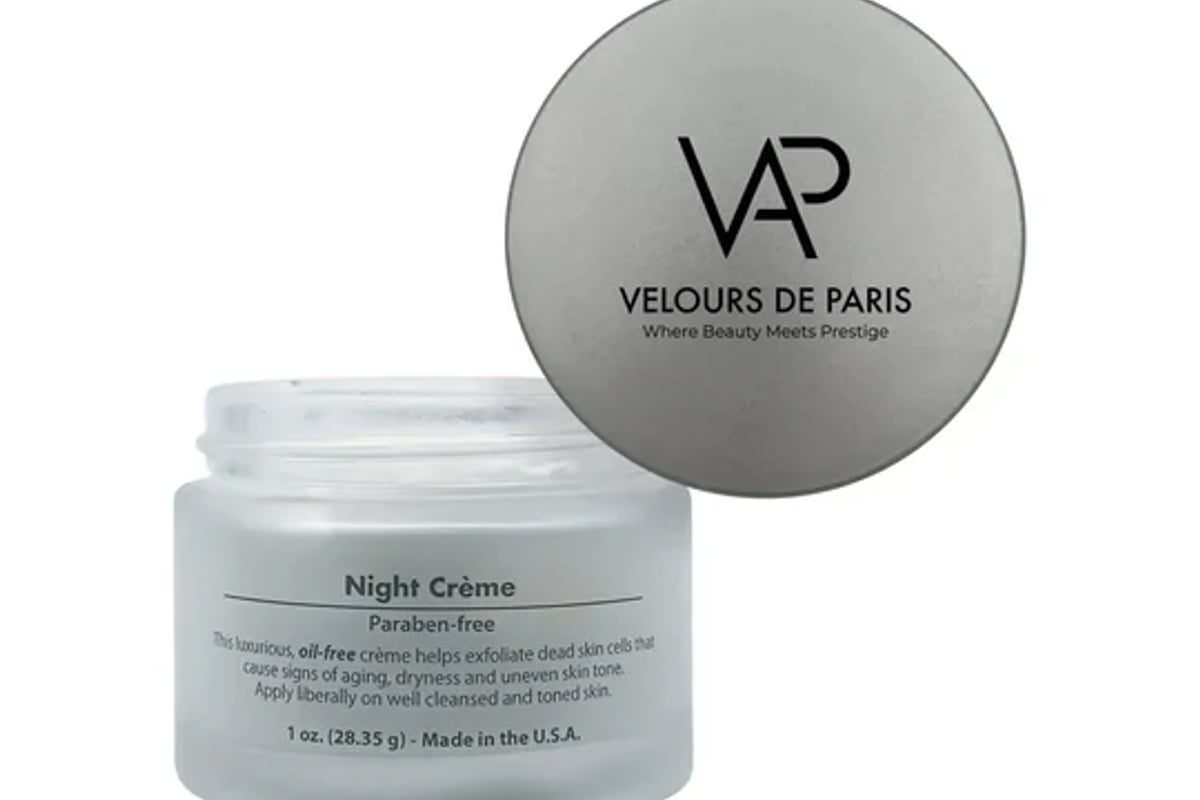
For those seeking refined skincare that embodies Parisian elegance, exploring comprehensive product ranges at Velours de Paris can reveal formulations that combine efficacy with luxury.
Building Your Lactic Acid Routine
Creating an effective routine with the best lactic acid for skin involves strategic product selection and proper sequencing.
Evening Routine Example
- Gentle cleanser to remove makeup and impurities
- Lactic acid serum (10-15%) applied to dry skin
- Wait 20 minutes for full absorption
- Hydrating serum with hyaluronic acid
- Rich night cream to seal in moisture
- Eye cream avoiding lactic acid-treated areas
Morning Routine Adjustments
Morning application requires additional sun protection:
- Gentle cleanser to refresh skin
- Lactic acid product (if using daily, opt for lower 5-8% concentration)
- Antioxidant serum for environmental protection
- Moisturizer appropriate for your skin type
- Broad-spectrum SPF 30+ as final step
Alternating lactic acid between morning and evening applications helps some users avoid over-exfoliation while maintaining consistent benefits.
Long-Term Results and Maintenance
Sustained use of the best lactic acid for skin creates cumulative improvements that extend far beyond initial surface benefits.
After six months of consistent use, most individuals notice:
- Refined pore structure with reduced visibility
- Improved firmness from enhanced collagen production
- Reduced discoloration including sun damage and post-inflammatory marks
- Enhanced product absorption allowing other skincare ingredients to work more effectively
- Sustained radiance reflecting healthy cellular turnover
Maintaining these results requires continued application, though some users successfully reduce frequency after achieving desired outcomes. Many find that alternating between different concentrations prevents plateau while sustaining benefits.
Storage and Shelf Life Considerations
Proper storage maximizes the longevity and effectiveness of your lactic acid products, protecting your investment in premium skincare.
Store lactic acid formulations in cool, dark locations away from direct sunlight and heat sources. Bathroom storage often exposes products to temperature fluctuations and humidity that degrade active ingredients.
Most lactic acid products maintain potency for 6-12 months after opening when stored properly. Discoloration, separation, or unusual odors indicate degradation requiring product replacement.
Refrigeration can extend shelf life for certain formulations, though this isn't necessary for all products. Check manufacturer recommendations for specific storage guidance.
Customizing Concentration Over Time
As your skin builds tolerance, adjusting lactic acid concentration ensures continued improvement without plateau.
Months 1-3: Start with 5-8% concentration applied 2-3 times weekly. Monitor skin response and adjust frequency as tolerance develops.
Months 4-6: Increase to 10-12% concentration maintaining similar frequency, or boost frequency of original concentration to daily use.
Months 7-12: Consider 15% formulations for intensive treatment 2-3 times weekly, or maintain 10-12% daily for sustained results.
Year 2+: Alternate between concentrations based on seasonal needs and skin response. Some areas may benefit from higher concentrations while others require gentler approaches.
This progressive approach delivers optimal results while minimizing irritation risk and allowing skin to adapt gradually to increasing exfoliation intensity.
Addressing Common Concerns and Misconceptions
Several myths surrounding lactic acid use persist despite scientific evidence confirming its safety and efficacy when used properly.
Myth: "AHAs thin your skin permanently."
Reality: Lactic acid removes dead surface cells while stimulating collagen production, ultimately improving skin thickness and health over time.
Myth: "You can't use lactic acid with any other actives."
Reality: Strategic combinations with compatible ingredients enhance results, though certain pairings should be avoided or timed separately.
Myth: "Higher concentrations always deliver better results."
Reality: Appropriate concentrations for your skin type and concerns deliver superior outcomes compared to unnecessarily strong formulations that cause irritation.
Myth: "Lactic acid works immediately."
Reality: While some surface improvements appear quickly, significant changes require consistent use over several weeks to months.
Understanding these realities helps you approach lactic acid use with informed expectations and appropriate protocols.
Finding the best lactic acid for skin transforms your complexion through gentle yet powerful exfoliation that reveals your most radiant self. Whether you choose professional treatments, at-home serums, or sophisticated moisturizers, consistent application with proper supporting ingredients delivers the luminous, refined results you deserve. Velours de Paris offers curated skincare collections that embody Parisian elegance while delivering the professional-quality results that elevate your beauty routine to new heights of sophistication and efficacy.