Cart
0
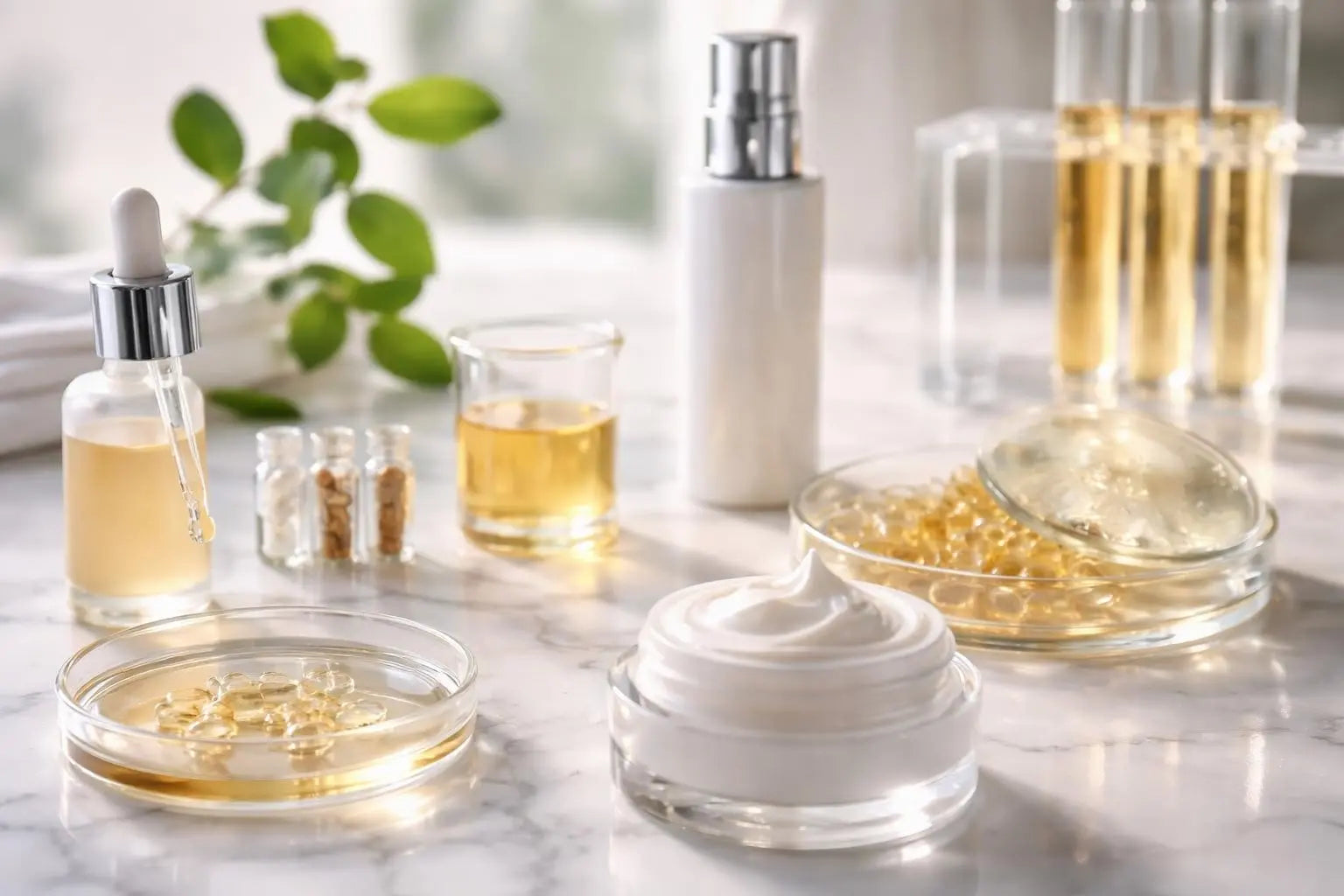
The beauty industry continues to evolve at an unprecedented pace, with new skin products launching every month that promise to revolutionize our skincare routines. From advanced formulations incorporating breakthrough ingredients to innovative delivery systems that maximize efficacy, the skincare landscape in 2026 offers more sophisticated options than ever before. Understanding which innovations truly deliver results and which align with your skin's unique needs has become essential for making informed purchasing decisions in an increasingly crowded marketplace.
The Science Behind Modern Skincare Innovation
The development of new skin products today relies on rigorous scientific research and clinical testing. Brands now invest millions in dermatological studies, understanding skin biology at the cellular level to create formulations that address specific concerns with precision. This scientific approach has shifted the industry from marketing-driven claims to evidence-based results.
Advanced Ingredient Technology
Modern formulations incorporate ingredients that were unimaginable just a decade ago. Peptide complexes now target specific aging pathways, while biotechnology has enabled the creation of lab-grown actives that mirror natural compounds with enhanced stability. Encapsulation technology has revolutionized how ingredients penetrate the skin barrier, ensuring active components reach their intended cellular targets without degradation.
The emergence of encapsulated SPF represents one of the most significant advances in sun protection, offering superior photostability and extended efficacy throughout the day.
- Biomimetic peptides that communicate with skin cells to stimulate collagen production
- Microbiome-friendly formulations that support skin's natural bacterial ecosystem
- Time-release systems that deliver actives gradually for sustained benefits
- Adaptogenic botanicals that help skin respond to environmental stressors

Trending Ingredients in New Skin Products
The ingredients dominating new skin products in 2026 reflect both scientific advancement and consumer demand for transparency. Brands are moving away from proprietary blends toward clearly labeled, clinically validated components. This transparency allows consumers to make educated choices based on their specific skin concerns and ingredient preferences.
Powerhouse Actives Gaining Momentum
Bakuchiol continues its rise as a gentler alternative to retinol, offering similar anti-aging benefits without the irritation. Meanwhile, niacinamide has become a staple ingredient, appreciated for its versatility in addressing multiple concerns from hyperpigmentation to barrier function. The resurgence of fermented ingredients brings probiotics and postbiotics into mainstream formulations, supporting skin's natural resilience.
| Ingredient | Primary Benefits | Best For |
|---|---|---|
| Polyglutamic Acid | Hydration, plumping | All skin types, dehydration |
| Ectoin | Protection, anti-pollution | Sensitive, urban environments |
| Snow Mushroom | Moisture retention | Dry, mature skin |
| Squalane | Barrier repair, lightweight moisture | Combination, acne-prone |
| Tranexamic Acid | Brightening, dark spot reduction | Hyperpigmentation, uneven tone |
Natural Versus Synthetic: The Balance
The debate between natural and synthetic ingredients has matured significantly. Consumers now recognize that synthetic doesn't automatically mean harmful, while natural doesn't guarantee safety or efficacy. New skin products increasingly blend both approaches, using bio-identical synthetics alongside sustainably sourced botanicals to achieve optimal performance.
The luxury skincare collection at Velours de Paris exemplifies this thoughtful balance, combining refined formulations with carefully selected ingredients that honor both efficacy and elegance.
Formulation Formats Reshaping the Industry
Beyond ingredients themselves, how new skin products are formulated has undergone dramatic transformation. Traditional creams and serums now compete with innovative formats that offer enhanced user experiences and improved efficacy. These formats aren't merely novelties but represent genuine advances in how skin absorbs and utilizes active ingredients.
Next-Generation Delivery Systems
Anhydrous formulations eliminate water entirely, allowing for higher concentrations of actives and extended shelf life without preservatives. Cushion applicators have migrated from makeup to skincare, offering hygienic, mess-free application of essences and treatments. Solid skincare formats reduce packaging waste while maintaining product integrity.
The rise of customizable formulations enables consumers to adjust concentrations based on seasonal changes or evolving skin needs. Some brands now offer modular systems where base formulations can be enhanced with targeted boosters, creating truly personalized regimens.
- Assessment: Identify your primary skin concern and secondary goals
- Base selection: Choose a foundational product appropriate for your skin type
- Active integration: Add targeted treatments addressing specific issues
- Barrier support: Include products that maintain skin's protective function
- Protection: Never skip sun protection, regardless of other products used
The Role of Technology in Product Development
Artificial intelligence and machine learning have become integral to developing new skin products. Brands now analyze thousands of ingredient combinations virtually before creating physical prototypes, dramatically accelerating the development timeline while improving formulation success rates. Consumer feedback gathered through apps and smart devices informs reformulations in real-time.
Personalization Through Data
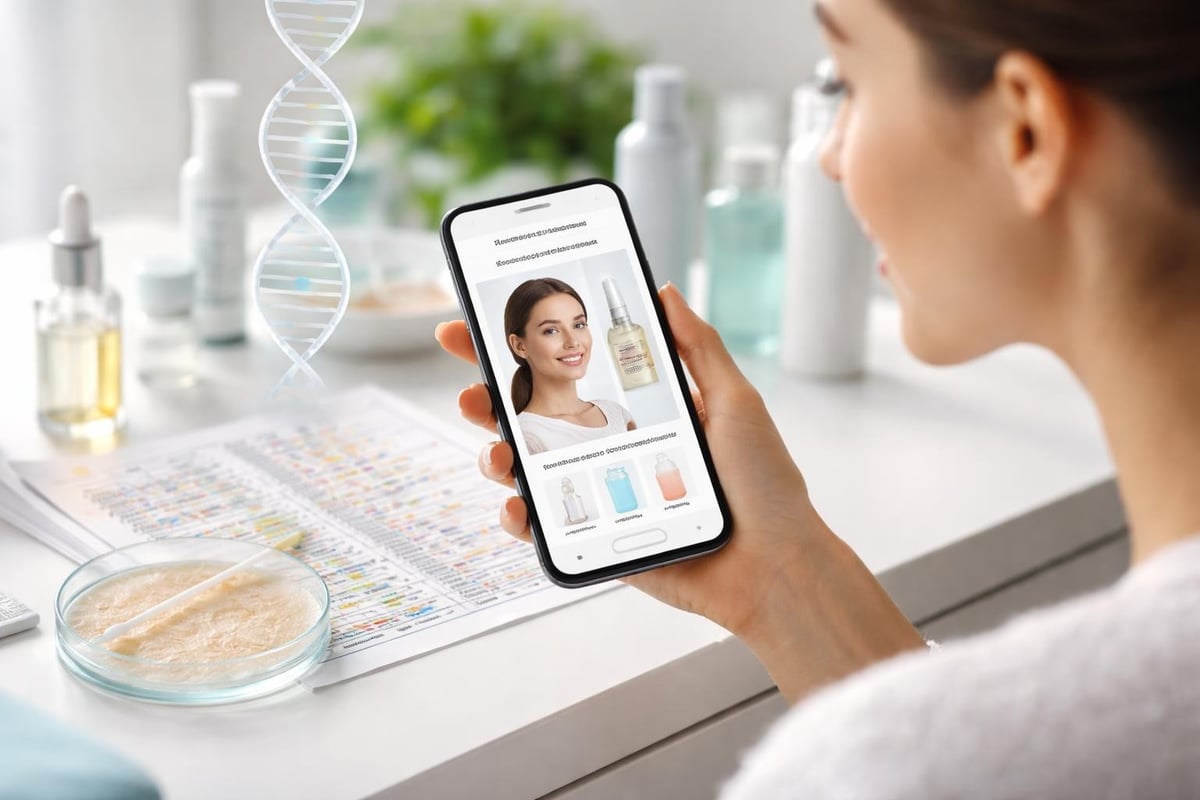
Skin analysis technology has moved beyond department store counters into consumers' homes. Smartphone apps now assess skin conditions with remarkable accuracy, recommending products based on objective measurements rather than subjective observations. This data-driven approach ensures that new skin products meet genuine needs rather than creating artificial demand.
DNA-based skincare represents the frontier of personalization, with genetic testing revealing predispositions to specific aging patterns or sensitivities. While still emerging, this technology promises to make skincare regimens truly individualized, eliminating the trial-and-error approach that frustrates many consumers.
Sustainability and Clean Beauty Standards
Environmental consciousness has moved from niche concern to mainstream expectation. New skin products launching in 2026 face scrutiny not just for what they contain but how they're produced, packaged, and disposed of. Brands must now demonstrate commitment to sustainability across their entire supply chain to maintain credibility with informed consumers.
Packaging Innovation
The beauty industry generates staggering amounts of waste annually, prompting urgent innovation in packaging solutions. Refillable systems have evolved beyond simple jar refills to sophisticated, aesthetically pleasing designs that consumers actually want to display. Compostable packaging made from mushroom mycelium or seaweed-based materials offers truly sustainable alternatives to traditional plastics.
- Airless pump systems that prevent oxidation and extend product life
- Concentrated formulations requiring less packaging per use
- Returnable containers with deposit systems incentivizing participation
- Mono-material packaging that simplifies recycling processes
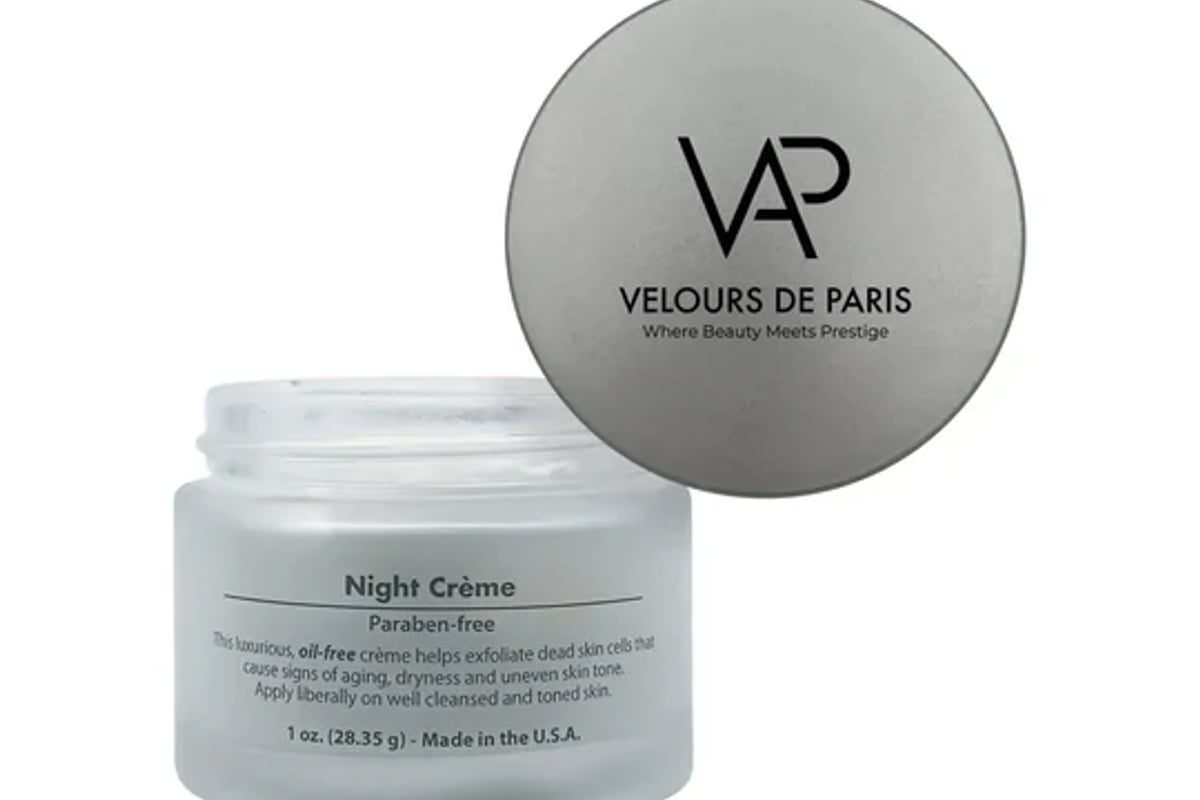
Velours de Paris demonstrates this commitment through thoughtful packaging choices, offering free shipping on all orders while minimizing environmental impact through consolidated, efficient delivery practices.
Ingredient Sourcing Ethics
Transparency extends beyond ingredient lists to encompass sourcing practices. Consumers want assurance that botanical ingredients are harvested sustainably, that workers receive fair compensation, and that production doesn't harm ecosystems. Blockchain technology now enables brands to provide verifiable proof of ethical sourcing, building trust through transparency.
Clinical Validation and Consumer Education
The proliferation of new skin products has created both opportunity and confusion. Savvy consumers now demand clinical validation before investing in premium formulations. Understanding how to interpret clinical claims and recognizing marketing hyperbole has become essential for navigating the modern skincare marketplace.
Reading Between the Lines
"Clinically proven" can mean vastly different things depending on study design, sample size, and duration. A claim based on 20 subjects over two weeks carries far less weight than research involving hundreds of participants over several months. New skin products should provide transparent information about their clinical testing methodology.
The latest beauty product launches throughout 2025 and into 2026 demonstrate increasing transparency in clinical claims, with brands providing detailed study parameters alongside results.
| Claim Type | What to Look For | Red Flags |
|---|---|---|
| Clinical Study | Published results, sample size >50 | Proprietary studies, no methodology |
| Dermatologist Tested | Independent testing, diverse skin types | In-house testing only |
| Hypoallergenic | Third-party verification | No testing documentation |
| Non-Comedogenic | Ingredient analysis, acne-prone testing | Generic claim without support |
Independent Reviews and Expert Opinions
Professional skincare experts and dermatologists provide invaluable guidance in evaluating new skin products. Their assessments consider ingredient interactions, potential sensitivities, and realistic outcome expectations. Following curated product selections from trusted sources helps filter through countless options to identify genuinely innovative formulations.
Building an Effective Routine with New Innovations
Integrating new skin products into established routines requires strategy and patience. The temptation to overhaul everything simultaneously often leads to irritation, confusion about what's working, and wasted investment. A methodical approach ensures you can accurately assess each product's contribution to your skin health.
The Layering Strategy
Product order matters significantly when using multiple treatments. Water-based products should precede oil-based formulations, while pH-dependent actives like vitamin C require specific placement. The exploration of innovative formulations at Velours de Paris demonstrates how luxury products can be seamlessly incorporated into multi-step routines without overwhelming skin.
Proper layering maximizes absorption and efficacy:
- Cleanse thoroughly to remove barriers to absorption
- Apply pH-balancing toners or essences first
- Layer water-based serums from thinnest to thickest consistency
- Add targeted treatments addressing specific concerns
- Seal with moisturizer appropriate for your skin type
- Finish with sun protection during daytime routines
Patch Testing and Gradual Introduction
Even the most promising new skin products can cause reactions in individual users. Patch testing on a small area for 24-48 hours identifies potential sensitivities before full-face application. When introducing actives like retinoids or acids, start with lower concentrations used two to three times weekly, gradually increasing frequency as tolerance builds.
Seasonal Considerations for Product Selection
Skin's needs fluctuate throughout the year, requiring adjustments to product selection and application frequency. New skin products launching seasonally often address these changing requirements, offering lighter formulations for summer and richer textures for winter. Understanding these patterns helps optimize your routine year-round.
Winter Versus Summer Formulations
Cold weather compromises the skin barrier, increasing transepidermal water loss and requiring heavier moisturizers with occlusive ingredients. Conversely, warm, humid conditions call for lightweight, non-greasy formulations that won't clog pores or feel uncomfortable. The moisturizer collection offers options suitable for varying seasonal needs and climate conditions.
Heat and sun exposure increase free radical damage, making antioxidant serums more critical during summer months. Winter's dry air benefits from humectants like hyaluronic acid paired with occlusives that prevent moisture evaporation.
Price Points and Value Assessment
Luxury new skin products command premium prices, but cost doesn't always correlate with efficacy. Understanding what drives pricing helps consumers make value-based decisions aligned with their budgets and priorities. Some expensive products justify their cost through rare ingredients, advanced technology, or superior formulations, while others rely primarily on prestige packaging and marketing.
Investment Pieces Versus Accessible Options
Certain categories warrant premium investment while others perform adequately at accessible price points. Active treatments containing high concentrations of proven ingredients like retinol or peptides often deliver better results in professional-grade formulations. Basic cleansers and simple moisturizers, however, rarely justify luxury pricing unless they contain particularly refined or rare ingredients.
The beauty products launching in early 2025 through February demonstrated a range of price points, with innovations appearing across both prestige and accessible brands, proving that advancement isn't exclusive to luxury tiers.
| Product Category | When to Invest | When to Save |
|---|---|---|
| Serums | High-concentration actives | Basic hydration |
| Moisturizers | Advanced peptides, growth factors | Simple barrier support |
| Cleansers | Specialty treatments (acid-based) | Daily maintenance |
| Sunscreen | Elegant textures, high protection | Basic broad-spectrum |
The Future of Skincare Innovation
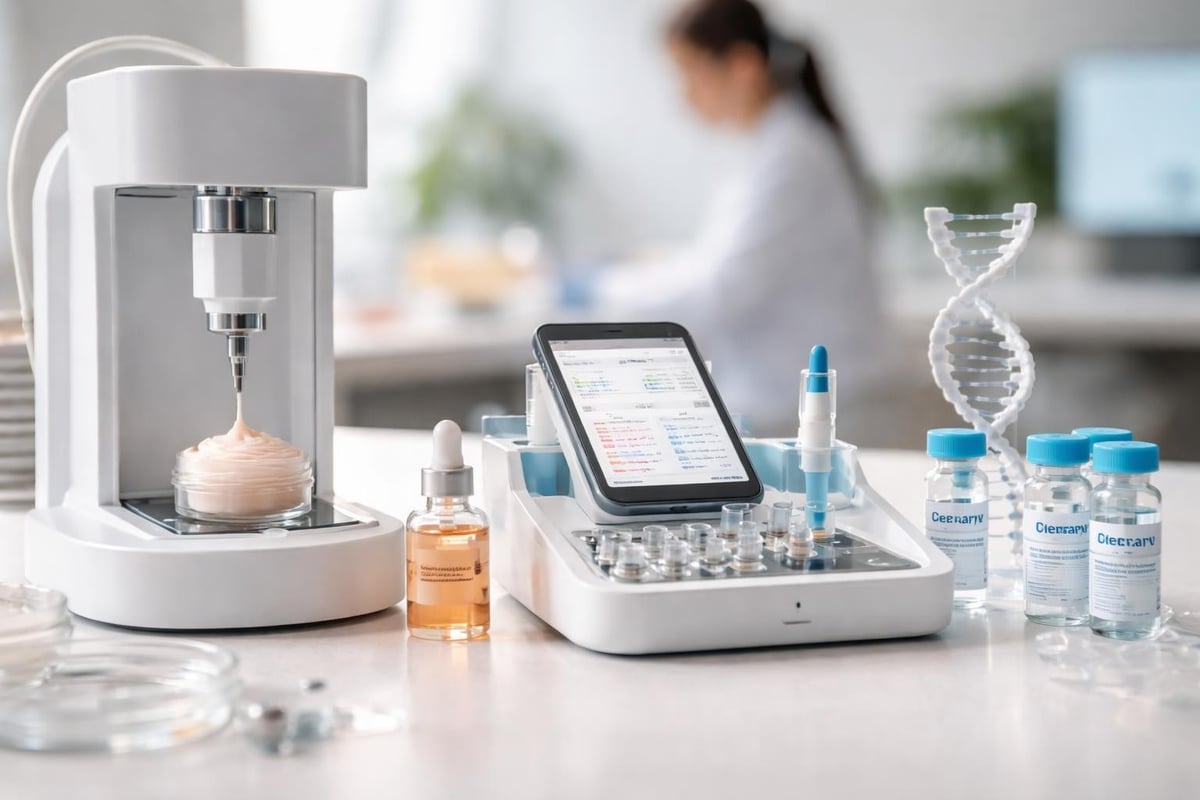
Looking beyond 2026, emerging technologies promise to further revolutionize how we approach skincare. 3D-printed custom formulations could become accessible to consumers, creating truly unique products matched to individual skin profiles. Ingestible skincare continues evolving, with nutricosmetics targeting skin health from within through scientifically formulated supplements.
Emerging Technologies to Watch
Microfluidic devices may soon enable at-home measurement of skin biomarkers, providing real-time feedback on how new skin products affect cellular function. Gene therapy approaches currently in research could eventually address genetic predispositions to specific skin conditions, moving beyond management to genuine correction.
The integration of augmented reality with skincare already allows virtual product testing, but future applications may predict long-term results based on consistent use patterns, helping consumers commit to beneficial routines with greater confidence.
Professional Guidance and When to Seek It
While new skin products offer incredible at-home treatment options, certain conditions require professional intervention. Dermatologists provide expertise that no retail product can replace, particularly for medical-grade concerns like severe acne, rosacea, or suspicious skin changes. Knowing when to invest in professional care versus continuing with over-the-counter solutions ensures optimal skin health outcomes.
Recognizing the Limits of Retail Products
Persistent issues that don't respond to consistent product use within 8-12 weeks warrant professional evaluation. Similarly, sudden changes in skin behavior, new sensitivities, or reactions to previously tolerated products deserve expert assessment. Dermatologists can prescribe prescription-strength treatments or recommend professional procedures that complement retail new skin products for comprehensive care.
Many dermatological offices now offer combination approaches, pairing medical treatments like laser therapy or chemical peels with carefully selected retail products for home maintenance. This integrated strategy maximizes results while respecting budgetary constraints.
The landscape of new skin products in 2026 reflects remarkable scientific advancement, ethical consideration, and consumer empowerment through education and transparency. By understanding ingredient technology, formulation innovation, and your skin's unique requirements, you can navigate this abundant marketplace with confidence and build routines that deliver genuine results. Explore how Velours de Paris combines Parisian elegance with cutting-edge formulations, offering refined skincare that honors both luxury and efficacy in every carefully crafted product.