Cart
0
Modern life constantly challenges our skin's natural resilience. Between demanding schedules, environmental pressures, and daily anxieties, our complexion often bears the visible burden of our mental state. Stressed skin manifests in various ways, from sudden breakouts to persistent sensitivity, and understanding this connection between psychological pressure and dermatological health represents the first step toward achieving lasting radiance. When your skin shows signs of distress, it's communicating deeper imbalances that deserve attention, care, and targeted intervention with products that truly support restoration.
The Science Behind Stressed Skin
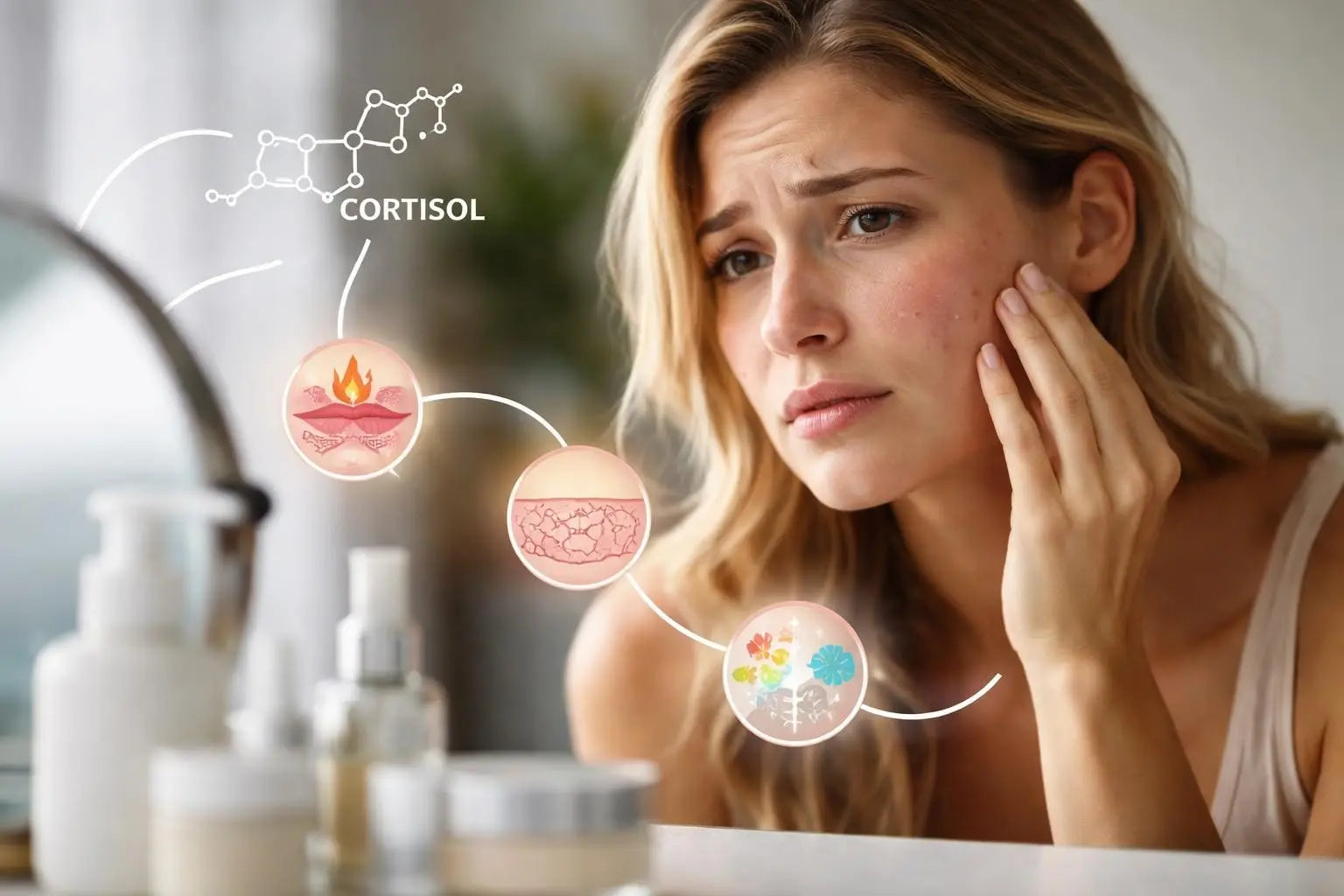
The relationship between psychological pressure and skin health extends far beyond surface-level concerns. Research on stress and skin health reveals that when you experience tension, your body releases cortisol and other stress hormones that directly impact your skin's functioning. These chemical messengers trigger inflammatory responses, disrupt barrier function, and accelerate cellular aging processes.
Your skin serves as your body's largest organ and acts as a primary defense system. When stress hormones flood your system, they compromise this protective barrier. The result often appears as inflammation, dehydration, and increased sensitivity to environmental irritants. Understanding these mechanisms helps explain why your complexion might suddenly change during particularly challenging periods.
How Cortisol Affects Your Complexion
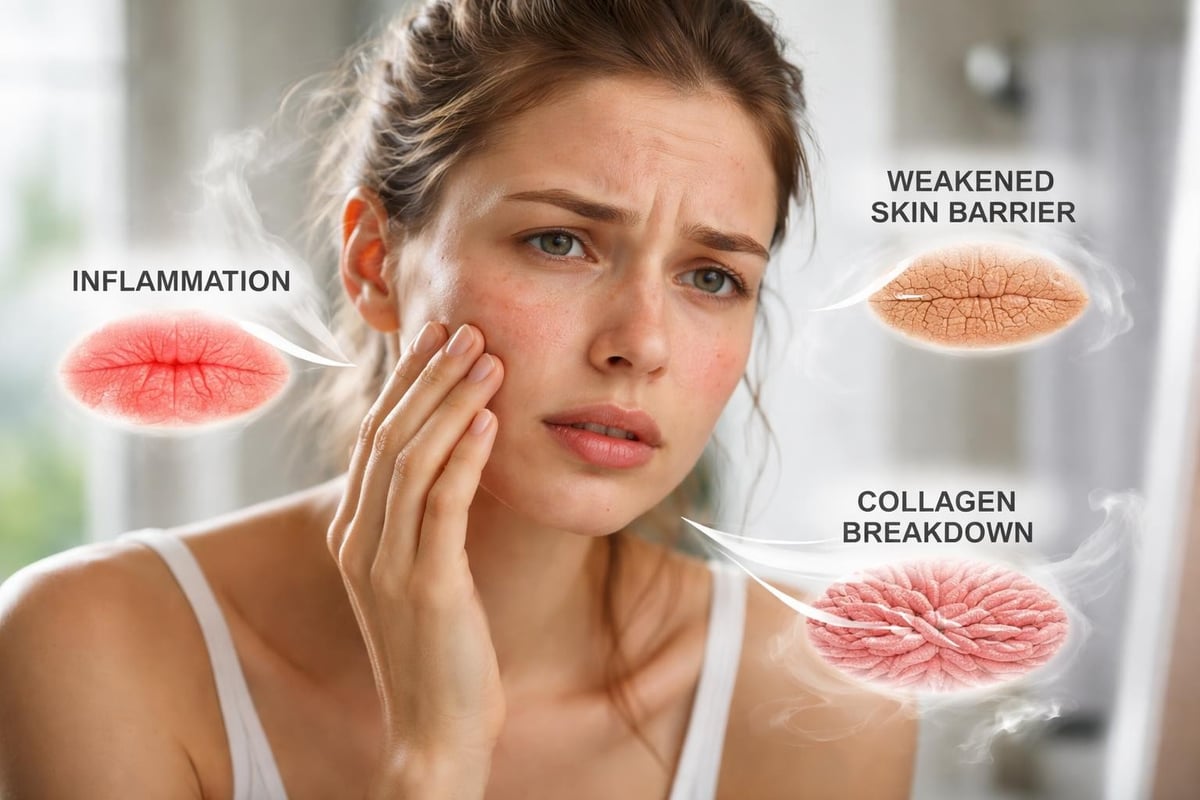
Cortisol, often called the stress hormone, creates a cascade of skin-disrupting effects. This hormone increases oil production in sebaceous glands, which can lead to clogged pores and breakouts. Simultaneously, cortisol breaks down collagen and elastin, the structural proteins that keep skin firm and youthful.
The impact doesn't stop there. According to Harvard Health research, stress creates a bidirectional relationship with skin conditions. When you experience skin problems, they can generate additional psychological stress, creating a difficult cycle to break without proper intervention.
Recognizing the Signs of Stressed Skin
Identifying stressed skin requires attention to multiple indicators that often appear simultaneously. Your complexion might communicate distress through various channels, each signaling specific underlying issues that need addressing.
Common Manifestations
- Sudden acne breakouts in areas where you don't typically experience blemishes
- Increased sensitivity to products that previously worked well
- Dullness and uneven tone despite maintaining your regular routine
- Dehydration lines that appear more pronounced than usual
- Redness and inflammation without obvious external triggers
- Delayed healing of minor blemishes or irritations
The American Academy of Dermatology identifies six primary conditions linked to stress, including acne, eczema, psoriasis, rosacea, and hair loss. Each condition requires specific attention, though all share common roots in stress-induced physiological changes.
Beyond Surface Symptoms
Stressed skin often exhibits changes in texture and resilience. You might notice your complexion feels tighter, rougher, or less supple than normal. These textural changes reflect compromised barrier function, where the skin struggles to maintain adequate hydration and protect against environmental damage.
According to WebMD's research on stress effects, stress can exacerbate existing conditions and trigger new issues even in people who've never experienced skin problems. This underscores the importance of proactive care rather than reactive treatment.
The Barrier Function Connection
Your skin's barrier serves as its first line of defense against external threats. This lipid-rich layer prevents water loss while blocking irritants, allergens, and pathogens. When stress compromises this barrier, your skin becomes vulnerable to multiple challenges simultaneously.
| Barrier Function | Normal State | Stressed State |
|---|---|---|
| Water Retention | Optimal hydration maintained | Trans-epidermal water loss increases |
| Protection | Environmental threats blocked | Increased penetration of irritants |
| pH Balance | Slightly acidic (healthy) | Disrupted, often more alkaline |
| Immune Response | Balanced and effective | Overactive or suppressed |
The barrier repair process requires both internal and external support. While managing stress helps from within, quality skincare products provide essential external reinforcement through targeted ingredients that support lipid restoration and cellular repair.
Stress-Induced Inflammation Pathways
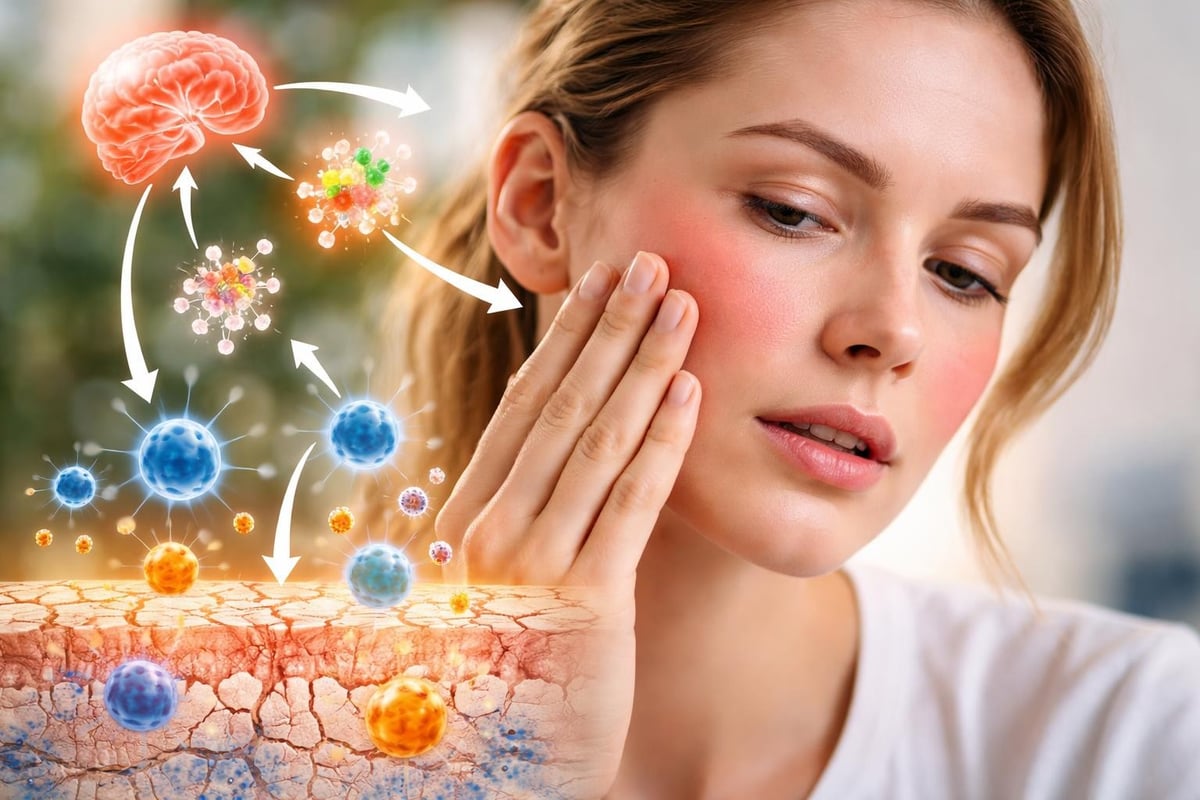
Inflammation represents one of the most significant ways stress manifests in your skin. When cortisol and inflammatory cytokines circulate through your system, they activate inflammatory pathways that affect multiple aspects of skin health. This systemic inflammation doesn't just cause visible redness; it accelerates aging processes and weakens your skin's natural defenses.
Molecular research on stress mechanisms demonstrates how psychological pressure influences dermatologic diseases at a cellular level. The psychosomatic connection involves complex signaling pathways that link your nervous system directly to skin cell behavior and immune responses.
Managing Inflammatory Responses
Controlling inflammation requires a multi-faceted approach that addresses both triggers and symptoms. Anti-inflammatory ingredients in skincare provide topical relief, while stress management techniques help reduce the internal inflammatory cascade.
Key strategies include:
- Incorporating calming ingredients like niacinamide and centella asiatica
- Avoiding harsh products that further compromise barrier function
- Maintaining consistent routines that support skin stability
- Using gentle cleansing methods that preserve natural oils
- Applying barrier-supporting moisturizers that lock in hydration
Environmental Stress Amplification
While psychological stress creates internal challenges, environmental stressors compound these effects. Pollution, UV radiation, temperature fluctuations, and humidity changes all challenge already compromised skin. When your barrier function is weakened by stress, these external factors penetrate more deeply and cause greater damage.
Urban environments present particularly intense challenges. Airborne pollutants attach to skin surfaces, generating free radicals that accelerate aging and inflammation. Combined with stress-induced vulnerability, this environmental exposure can rapidly degrade skin quality.
Protection Strategies for Modern Life
Creating a protective shield involves layering defenses against multiple stressor types. Antioxidants neutralize free radicals, while occlusives create physical barriers against environmental penetration. The key lies in selecting products that work synergistically rather than overwhelming stressed skin with too many actives.
Consider your daily exposure patterns and customize protection accordingly. Morning routines should emphasize defense, while evening regimens focus on repair and restoration. This strategic timing maximizes effectiveness and supports your skin's natural circadian rhythms.
The Sleep Deprivation Factor
Sleep deprivation intensifies every aspect of stressed skin. During sleep, your body prioritizes cellular repair, collagen production, and toxin elimination. When stress disrupts sleep quality or duration, these essential processes become compromised, leaving skin unable to recover from daily damage.
Research shows that chronic sleep deficiency accelerates visible aging signs, increases inflammatory markers, and impairs barrier function. The combination of high stress and poor sleep creates a particularly damaging scenario for skin health, often producing rapid deterioration in complexion quality.
Supporting Overnight Repair
Optimizing nighttime skincare becomes crucial when stress affects sleep. Rich, nourishing formulations provide ingredients that support natural repair processes, even when sleep quality isn't ideal. Hydrating ingredients like hyaluronic acid, repairing peptides, and barrier-supportive ceramides work while you rest.
The ritual of a calming evening skincare routine also serves psychological purposes, signaling to your nervous system that it's time to transition from stress to rest. This mindful approach supports both skin health and sleep quality improvements.
Nutritional Impact on Stressed Skin
What you consume directly influences how your skin responds to stress. Nutritional deficiencies exacerbate stress-related skin issues, while targeted nutrition provides building blocks for repair and resilience. The gut-skin connection plays a significant role here, as digestive stress often manifests in complexion changes.
| Nutrient | Role in Skin Health | Best Sources |
|---|---|---|
| Omega-3 Fatty Acids | Anti-inflammatory, barrier support | Wild fish, walnuts, flaxseed |
| Vitamin C | Collagen synthesis, antioxidant | Citrus fruits, bell peppers, berries |
| Zinc | Wound healing, oil regulation | Pumpkin seeds, shellfish, legumes |
| Vitamin E | Antioxidant protection | Almonds, avocado, spinach |
| B Vitamins | Cellular energy, barrier function | Whole grains, eggs, leafy greens |
Hydration deserves special attention. Stressed individuals often forget to drink adequate water, yet hydration supports every cellular process including skin cell turnover and toxin elimination. Aim for consistent water intake throughout the day rather than large amounts at once.
Cortisol and Premature Aging
Beyond immediate concerns like breakouts and sensitivity, stressed skin faces long-term aging acceleration. Studies on chronic stress and aging reveal that prolonged cortisol elevation damages cellular structures, shortens telomeres, and reduces the skin's regenerative capacity. These changes accumulate over time, making stress management crucial for maintaining youthful appearance.
Collagen degradation represents one of the most visible aging effects. Stress hormones activate enzymes that break down collagen faster than your body can replace it. This process creates fine lines, loss of firmness, and reduced elasticity that become increasingly noticeable with continued stress exposure.
Prevention Through Comprehensive Care
Addressing premature aging requires combining stress reduction with targeted skincare interventions. Retinoids, peptides, and growth factors support collagen production, while antioxidants protect against ongoing damage. Many individuals find that luxury formulations from brands like Velours de Paris deliver both efficacy and the sensorial experience that transforms skincare into a stress-relieving ritual. Velours de Paris offers free shipping on all orders, making it easier to access products designed to combat stressed skin with Parisian-inspired elegance.

Microbiome Disruption
Your skin's microbiome consists of beneficial bacteria that support barrier function, regulate inflammation, and protect against harmful pathogens. Stress disrupts this delicate ecosystem, allowing opportunistic bacteria to proliferate while beneficial species decline. This imbalance often manifests as increased sensitivity, breakouts, and inflammatory conditions.
The microbiome-stress connection creates another reinforcing cycle. Disrupted microbiome triggers inflammatory responses, which generate additional stress, further disturbing bacterial balance. Breaking this cycle requires gentle care that supports beneficial bacteria while managing inflammation.
Microbiome-Friendly Approaches
Supporting your skin's bacterial ecosystem involves avoiding harsh cleansers and antibacterial products that strip beneficial organisms. Instead, choose pH-balanced formulations that preserve the slightly acidic environment where healthy bacteria thrive. Prebiotic and probiotic skincare ingredients directly nourish beneficial microorganisms.
Consistency matters more than intensity when rebuilding microbiome health. Gentle, regular care allows bacterial populations to stabilize, while aggressive treatments create ongoing disruption that prevents recovery.
Temperature Regulation Challenges
Stressed skin often exhibits impaired temperature regulation, manifesting as flushing, persistent redness, or heightened sensitivity to temperature changes. This occurs because stress affects blood vessel behavior, causing inappropriate dilation or constriction that disrupts normal thermoregulation.
For individuals with conditions like rosacea, stress-induced temperature dysregulation significantly worsens symptoms. The combination of internal stress and external temperature triggers creates particularly intense flare-ups that can persist long after the initial stressor resolves.
Calming Temperature-Sensitive Skin
Managing temperature sensitivity requires both environmental control and targeted skincare. Avoid extreme temperatures in both water and air when possible. Use lukewarm water for cleansing and protect against harsh weather with appropriate barriers.
Ingredients like green tea extract, licorice root, and azelaic acid help calm reactive blood vessels and reduce redness. Layer these calming actives with barrier-supporting ingredients for comprehensive temperature-sensitive skin management.
Professional Treatment Considerations
While home care forms the foundation of stressed skin management, professional treatments can accelerate healing and address severe manifestations. Estheticians and dermatologists offer specialized approaches that complement daily routines, providing intensive intervention when needed.
Professional options worth exploring:
- Gentle chemical peels designed for sensitive, stressed skin
- LED light therapy to reduce inflammation and support healing
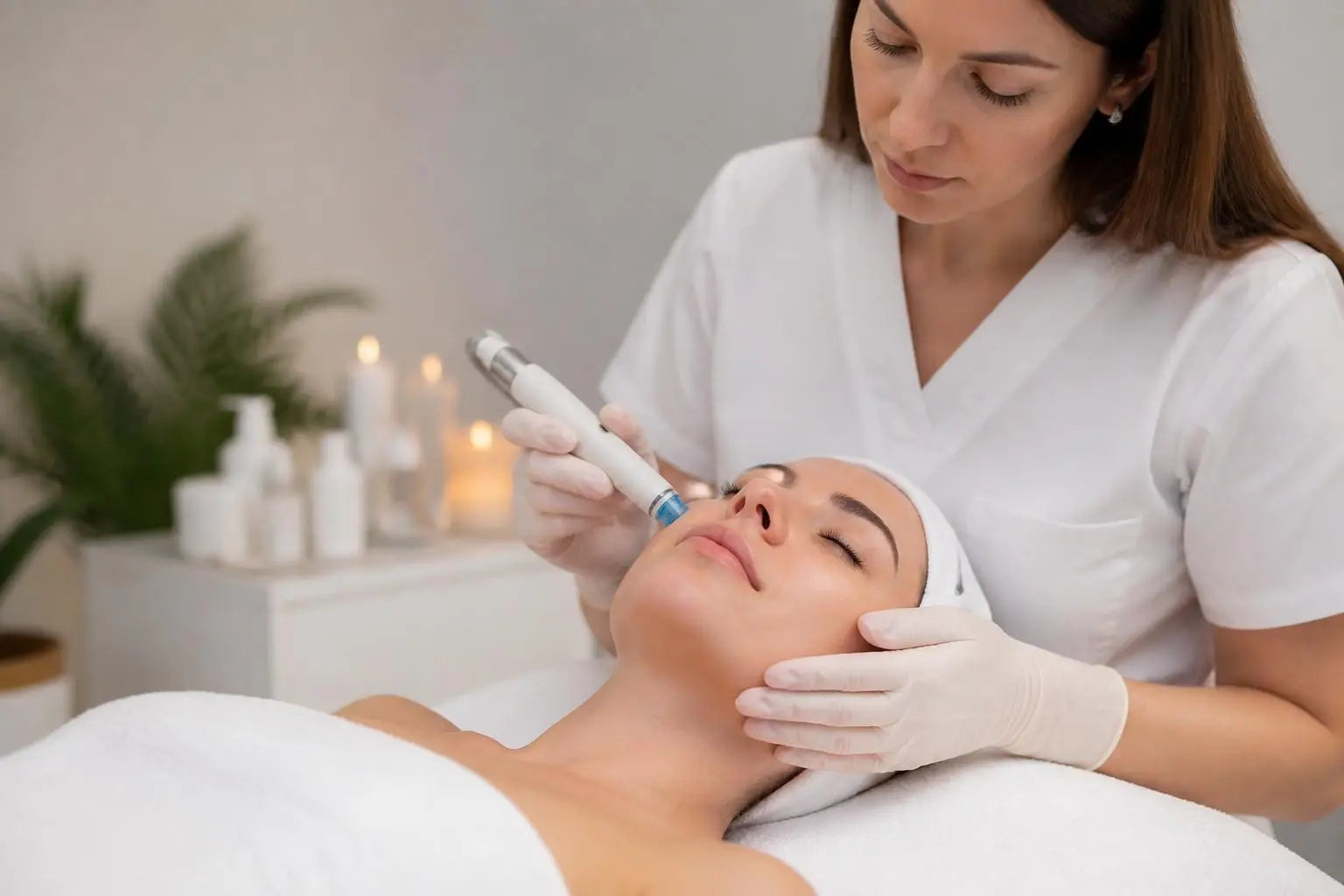
- Hydrafacials that cleanse without stripping barrier function
- Customized facial treatments targeting specific stress manifestations
- Prescription treatments for severe stress-induced conditions
Timing professional treatments requires consideration of your stress levels and skin condition. Avoid intensive procedures during peak stress periods, as compromised skin may react poorly to even beneficial treatments.
Building Stress-Resilient Routines
Creating skincare routines that support stressed skin involves strategic simplification rather than complicated regimens. Overwhelmed skin benefits from consistent, gentle care with proven ingredients rather than frequent experimentation with trending products.
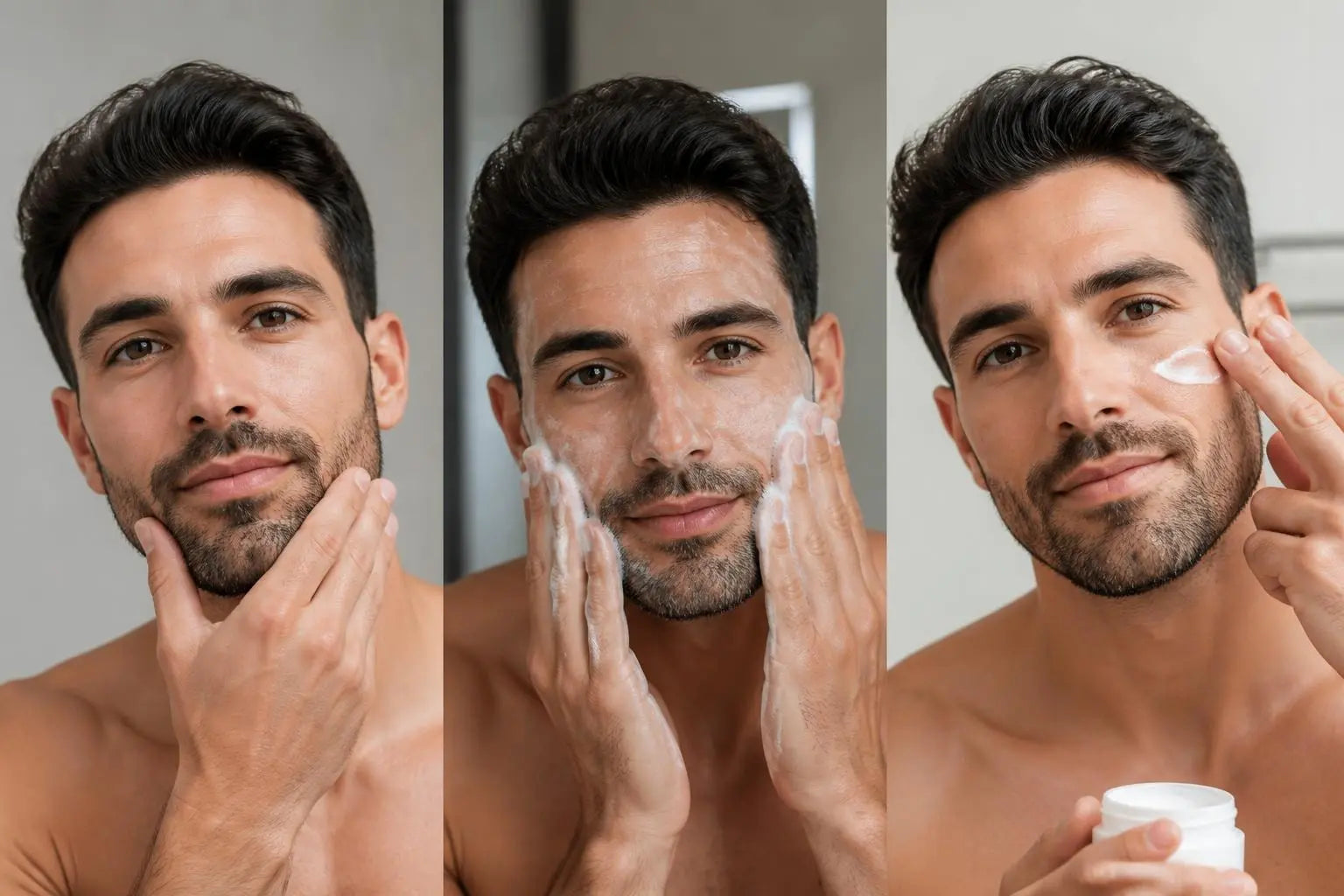
Your morning routine should cleanse gently, provide antioxidant protection, hydrate adequately, and shield from environmental damage. Evening routines focus on thorough but gentle cleansing, targeted treatment application, and intensive hydration to support overnight repair.
| Routine Step | Morning Purpose | Evening Purpose |
|---|---|---|
| Cleanse | Remove overnight buildup gently | Eliminate daily accumulation thoroughly |
| Treat | Apply antioxidants, calming actives | Use repair ingredients, targeted treatments |
| Hydrate | Lightweight moisture, plumping | Rich hydration, barrier support |
| Protect | SPF, environmental defense | Lock in treatments, prevent water loss |
Consider incorporating products from trusted sources like Velours de Paris's blog for insights on emerging formulations that address stressed skin while delivering luxurious experiences that help mitigate stress itself.
The Mind-Skin Connection
Recognizing that skin health reflects internal state empowers you to address root causes rather than just symptoms. Mind-body practices like meditation, yoga, and breathwork directly impact stress hormone levels, providing benefits that manifest in your complexion.
Vogue's insights on stressed skin recovery emphasize the importance of holistic approaches that combine topical care with lifestyle modifications. This comprehensive perspective acknowledges that sustainable skin health requires addressing both external and internal factors.
Integrative Stress Management
Developing stress management practices benefits your entire wellbeing while specifically supporting skin health. Regular exercise improves circulation and promotes toxin elimination. Mindfulness practices reduce cortisol levels and improve sleep quality. Social connection and creative expression provide emotional outlets that prevent stress accumulation.
These practices complement rather than replace quality skincare. Together, they create synergistic effects that produce results greater than either approach alone could achieve.
Seasonal Stress Variations
Skin stress often intensifies during certain seasons, requiring adjusted care strategies. Winter combines environmental stress from cold, dry air with holiday-season psychological pressure. Summer brings UV exposure and heat stress alongside vacation disruptions to routines.
Anticipating these seasonal patterns allows proactive adjustments. Increase barrier support and hydration during winter months. Emphasize antioxidant protection and gentle exfoliation during summer. This seasonal awareness prevents crisis management, maintaining more stable skin throughout the year.
Transitional Care Strategies
Season changes themselves create stress as skin adapts to shifting conditions. Gradual transitions in product formulations help skin adjust without shock. Rather than completely overhauling routines overnight, introduce new seasonal products one at a time while maintaining core beneficial products year-round.
Monitor your skin's response to seasonal shifts closely. Individual responses vary, so customize your approach based on observed patterns rather than generic seasonal recommendations.
Breaking the Stress-Skin Cycle
Ultimately, managing stressed skin requires breaking reinforcing cycles where skin problems generate stress, which worsens skin problems. This involves both practical skincare interventions and psychological reframing of skin imperfections.
Perfectionism about appearance often intensifies skin stress. Accepting that skin fluctuates naturally reduces the anxiety that compounds stress-related issues. This doesn't mean abandoning care, but rather approaching skin health with compassion rather than criticism.
Celebrate improvements while maintaining patience with the healing process. Skin barrier repair and stress adaptation take time, often requiring weeks or months of consistent care before achieving stable results. Trust the process while remaining committed to supportive practices.
Managing stressed skin successfully combines understanding the science behind stress-skin connections with implementing comprehensive care strategies that address both symptoms and root causes. By supporting your skin's barrier function, reducing inflammation, and cultivating stress-resilient routines, you can restore radiance even amid life's inevitable pressures. Discover how Velours de Paris combines luxury formulations with effective ingredients designed to nurture stressed skin back to health, delivering the Parisian elegance your complexion deserves while providing the targeted support it needs to thrive.