Cart
0
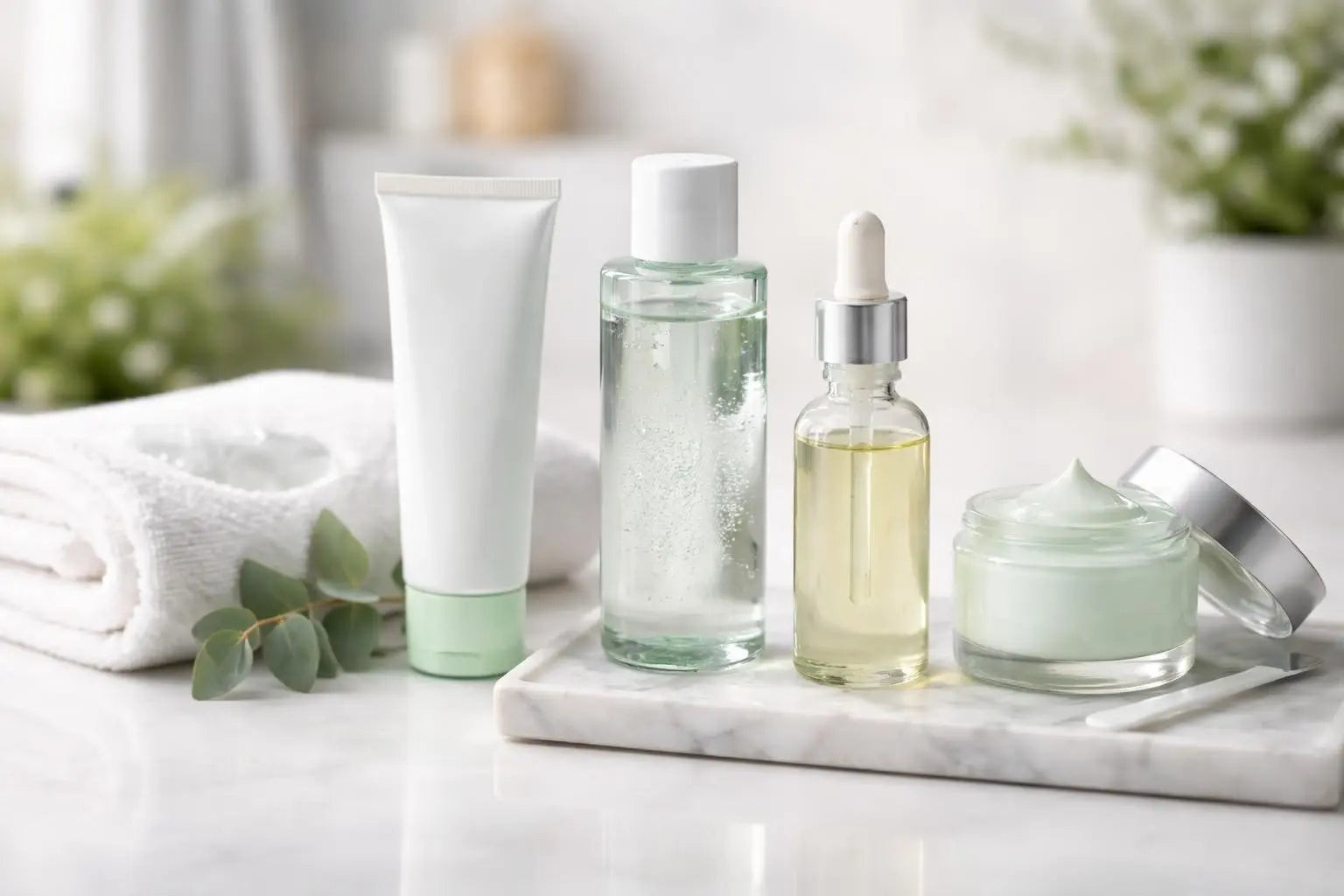
Managing oily skin requires a sophisticated understanding of product formulations and ingredient synergy. When excess sebum production leaves skin looking shiny and feeling greasy, selecting the right face products for oily skin becomes essential for achieving a balanced, refined complexion. The Parisian approach to skincare emphasizes elegant solutions that address oil control without compromising skin's natural luminosity. With advances in cosmetic chemistry throughout 2026, luxury formulations now deliver both immediate mattifying effects and long-term sebum regulation, allowing those with oily skin to experience the same prestige beauty experience as any other skin type.
Understanding Oily Skin Characteristics
Oily skin manifests through several distinct characteristics that require targeted attention. Enlarged pores, persistent shine, and increased susceptibility to breakouts define this skin type, driven by overactive sebaceous glands that produce excess sebum.
The science behind sebum production involves hormonal influences, genetics, and environmental factors. During 2026, dermatological research has further illuminated how lifestyle elements impact oil production, from stress levels to dietary choices. Understanding these mechanisms helps in selecting appropriate face products for oily skin that work with your skin's biology rather than against it.

The Dual Nature of Facial Oil
Not all facial oil indicates a problem. The skin's natural lipid barrier serves protective functions, maintaining hydration and defending against environmental aggressors. According to expert insights on face oils, certain botanical oils can actually help regulate sebum production by signaling to skin that adequate moisture exists.
The challenge lies in distinguishing between beneficial oil balance and problematic excess. When selecting skincare products, look for formulations that respect this delicate equilibrium while addressing shine and texture concerns.
Essential Cleansing Strategies
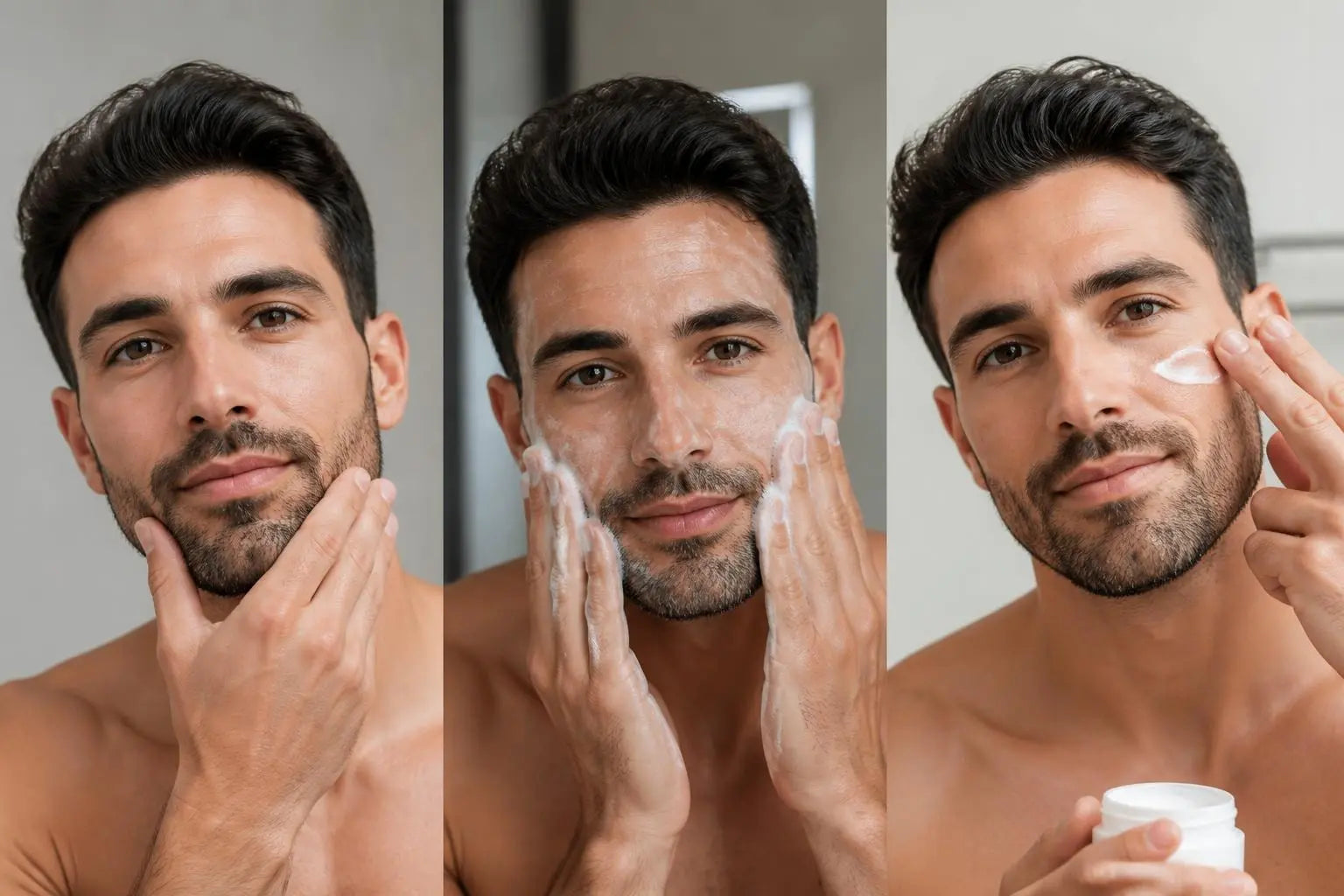
Proper cleansing forms the foundation of any effective routine for oily skin. The right cleanser removes excess sebum, makeup, and impurities without triggering the rebound effect that causes skin to produce even more oil.
Morning and Evening Cleansing Protocols
Morning cleansing should gently remove overnight oil accumulation without stripping skin. Evening cleansing requires more thorough action to eliminate the day's buildup of sebum, pollution, and cosmetics.
Consider these cleansing approaches:
- Gel-based cleansers with salicylic acid for deep pore penetration
- Foaming formulations that rinse cleanly without residue
- Clay-infused options for intensive oil absorption
- pH-balanced solutions that maintain skin's protective acid mantle
The best drugstore face washes demonstrate that effective cleansing doesn't require luxury pricing, though premium formulations often incorporate refined textures and elegant fragrances that enhance the ritual.
Double Cleansing for Complete Purification
The Korean skincare tradition of double cleansing has proven particularly beneficial for oily skin types. Cleansing oils dissolve sebum and makeup through the principle that like dissolves like, while the second water-based cleanse addresses remaining impurities.
This two-step approach ensures thorough purification without aggressive scrubbing that can damage skin and stimulate additional oil production. Select lightweight cleansing oils that emulsify completely, leaving no greasy residue behind.
Toners and Astringents for Refinement
Between cleansing and treatment application, toners play a crucial role in refining pores and balancing skin pH. Face products for oily skin in this category range from gentle hydrating toners to potent astringents.
| Toner Type | Key Benefits | Best For |
|---|---|---|
| Hydrating Toners | Restore moisture balance, prep skin | Oily-combination skin |
| Astringent Toners | Tighten pores, remove residue | Very oily skin |
| Exfoliating Toners | Chemical exfoliation, cell turnover | Oily, acne-prone skin |
| Balancing Toners | Regulate sebum, soothe | Sensitive oily skin |
Witch hazel, niacinamide, and salicylic acid represent cornerstone ingredients in toners formulated for oily skin. These compounds address multiple concerns simultaneously-controlling oil, minimizing pore appearance, and preventing breakouts.
Serums and Treatments for Oil Control
Targeted serums deliver concentrated active ingredients that address specific oily skin concerns. These lightweight formulations absorb quickly, making them ideal for layering without heaviness.
Niacinamide for Sebum Regulation
Niacinamide has emerged as a standout ingredient for managing oily skin. This form of vitamin B3 regulates sebum production at the cellular level while simultaneously strengthening the skin barrier and reducing inflammation.
Clinical concentrations typically range from 2% to 10%, with higher percentages delivering more dramatic results. When incorporated into luxury formulations, niacinamide pairs beautifully with hydrating agents that prevent any potential dryness.
Salicylic Acid for Pore Clarity
As a beta-hydroxy acid, salicylic acid penetrates oil-filled pores to dissolve debris and prevent congestion. This lipid-soluble ingredient works particularly well for face products for oily skin because it navigates through sebum to reach where problems originate.
Leave-on salicylic acid treatments prove more effective than wash-off formulations, allowing sustained pore-clearing action throughout the day or night. Concentrations between 0.5% and 2% balance efficacy with tolerability for most skin types.
Moisturizers That Control Without Clogging
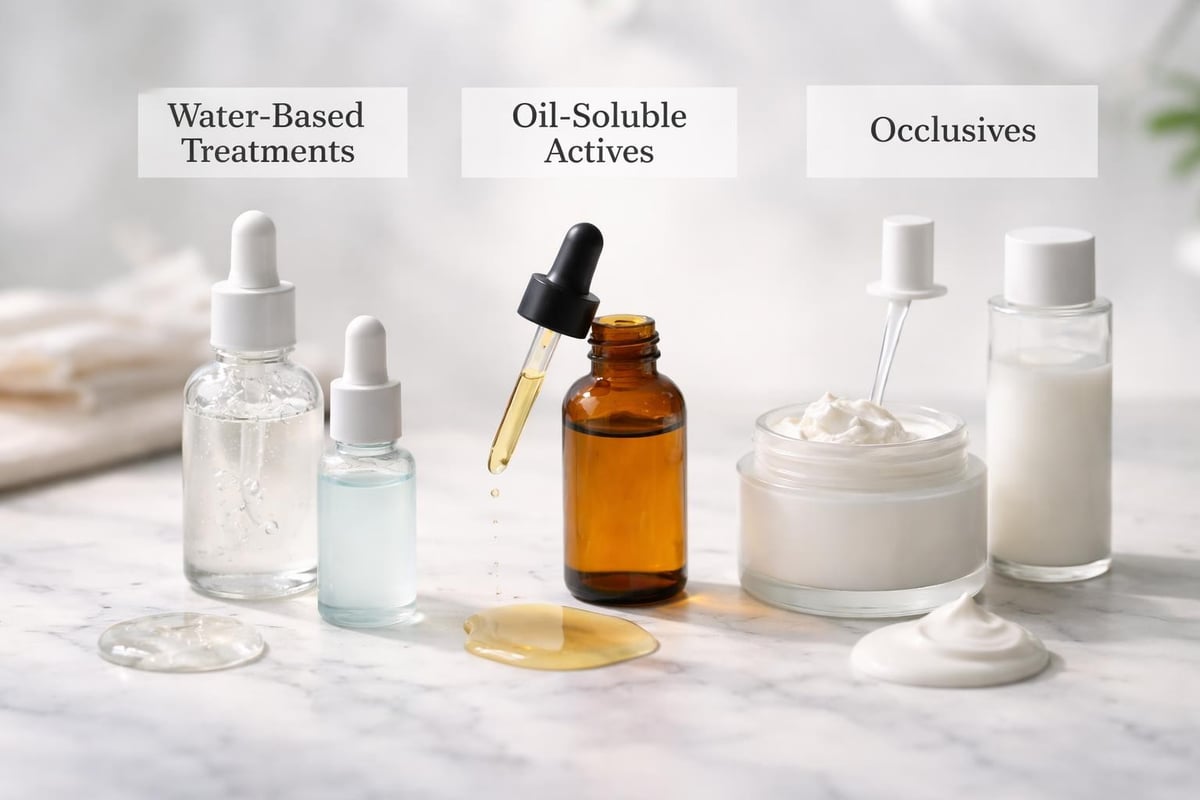
The myth that oily skin doesn't need moisturizer has been thoroughly debunked by dermatological research. Dermatologist-endorsed skincare routines emphasize that proper hydration actually helps regulate oil production by preventing the defensive sebum surge that occurs when skin feels dehydrated.
Gel and Water-Based Formulations
Lightweight gel moisturizers provide hydration without occlusion. These formulations typically feature humectants like hyaluronic acid and glycerin that draw moisture into skin while maintaining a matte finish.
Water-based moisturizers absorb instantly, making them perfect for morning application before makeup. Look for non-comedogenic certifications that guarantee pore compatibility, essential when selecting moisturizer products for oily complexions.
Oil-Free vs. Oil-Selective
While "oil-free" labeling appeals to those with oily skin, certain lightweight botanical oils actually benefit sebum regulation. Jojoba oil, for instance, closely mimics skin's natural sebum and can help signal decreased oil production needs.
The key lies in formulation sophistication. Premium face products for oily skin incorporate carefully selected oils in balanced ratios, combined with mattifying agents that prevent shine while delivering nourishment.
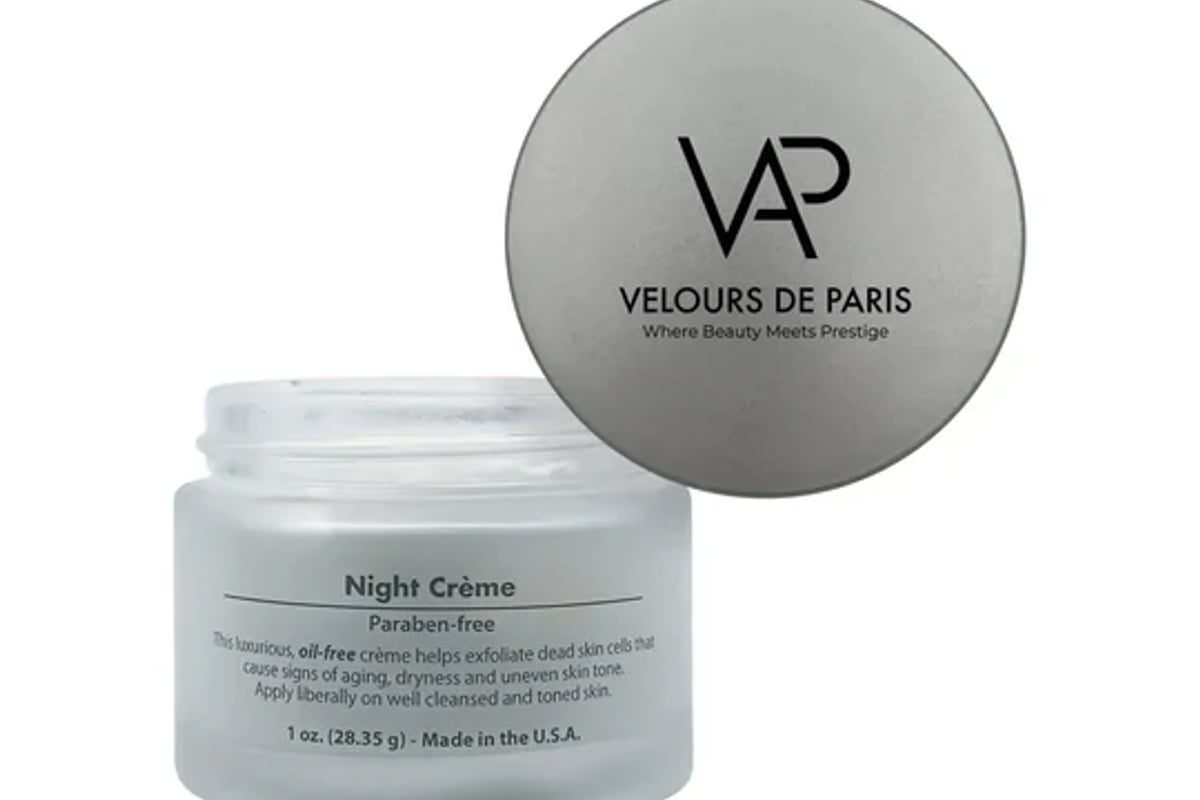
Velours de Paris understands this delicate balance, offering elegantly formulated moisturizers that hydrate without heaviness. With Free Shipping On All Orders, accessing luxury skincare solutions designed for refined Parisian elegance has never been more convenient.
Sun Protection Essentials
Sunscreen represents a non-negotiable element in any skincare routine, yet many formulations exacerbate oily skin concerns. Traditional chemical and physical sunscreens often leave greasy residues or white casts that compound shine issues.
Modern mineral sunscreens with micronized zinc oxide and titanium dioxide provide broad-spectrum protection while absorbing excess oil. Tinted mineral sunscreens offer the additional benefit of color correction, creating an elegant base for makeup or standalone wear.
Consider these sun protection features:
- Matte finish formulations that control shine
- Lightweight textures that layer seamlessly
- Non-comedogenic certification for pore safety
- Water resistance for extended wear
- Antioxidant additions for comprehensive protection
Chemical sunscreen innovations in 2026 have produced remarkably elegant textures that dry down to invisible, shine-free finishes. Products specifically formulated for oily skin now offer protection without compromise.
Masks and Weekly Treatments
Supplementing daily routines with targeted masks provides intensive treatment benefits. Face products for oily skin in the masking category address deep pore cleansing, oil absorption, and refinement.
Clay Masks for Deep Purification
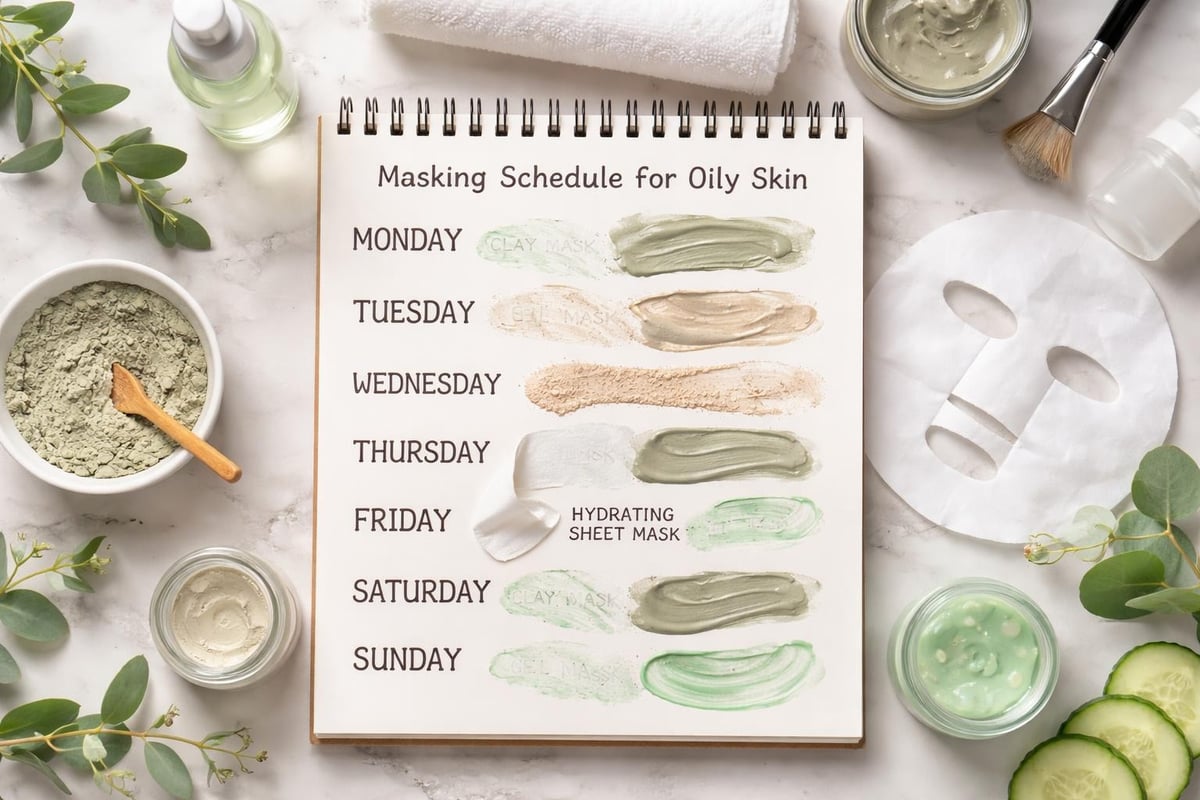
Kaolin and bentonite clays excel at drawing out impurities and absorbing excess sebum. Applied once or twice weekly, clay masks provide thorough pore cleansing that prevents buildup and minimizes breakouts.
French green clay, sourced from specific deposits, offers particularly refined purification suitable for luxury skincare rituals. The mineral content provides additional benefits beyond simple oil absorption, delivering trace nutrients that support skin health.
Exfoliating Masks for Texture Refinement
Chemical exfoliating masks featuring AHAs and BHAs accelerate cell turnover, preventing the dead skin cell accumulation that combines with sebum to create congestion. The best face masks balance exfoliation intensity with skin comfort, avoiding the over-stripping that triggers rebound oil production.
| Mask Type | Primary Function | Usage Frequency |
|---|---|---|
| Clay Masks | Oil absorption, pore purification | 1-2 times weekly |
| Charcoal Masks | Deep detoxification, impurity removal | Once weekly |
| Enzyme Masks | Gentle exfoliation, brightening | 2-3 times weekly |
| Mud Masks | Mineral delivery, refinement | Once weekly |
Makeup Considerations for Oily Skin
Selecting cosmetics compatible with oily skin extends the benefits of your skincare routine. Foundations, concealers, and setting products formulated for oil control prevent midday shine while allowing skin to breathe.
Foundation Formulations
Foundations designed for oily skin typically feature:
- Powder-to-liquid or mousse textures that set to matte finishes
- Oil-absorbing ingredients like silica and rice powder
- Long-wear polymers that resist breaking down from sebum
- Non-comedogenic bases that won't clog pores
The evolution of foundation technology has produced formulations that adapt to skin's needs throughout the day, maintaining coverage without oxidation or separation.
Setting and Touch-Up Products
Blotting papers provide portable oil absorption without disturbing makeup. Unlike powder application that builds up over the day, blotting removes excess sebum while preserving the integrity of your cosmetics.
Translucent setting powders with oil-absorbing microspheres lock makeup in place while providing a soft-focus finish that blurs pores. Applied strategically to T-zone areas prone to shine, these products extend makeup wear significantly.
Ingredient Intelligence
Understanding key ingredients empowers informed selection of face products for oily skin. Certain compounds deliver proven benefits, while others may exacerbate concerns despite marketing claims.
Beneficial Active Ingredients
Salicylic acid penetrates pores to dissolve sebum plugs and prevent acne formation. Niacinamide regulates oil production while strengthening the skin barrier. Retinoids accelerate cell turnover and refine pores through enhanced collagen production.
Hyaluronic acid provides weightless hydration, while zinc offers both oil control and anti-inflammatory benefits. Green tea extract delivers antioxidant protection while soothing irritation common in oily, acne-prone skin.
Ingredients to Approach Cautiously
Heavy occlusive agents like petrolatum and mineral oil can trap sebum and create congestion. Comedogenic oils such as coconut oil and cocoa butter frequently trigger breakouts in oily skin types.
Alcohol denat, while providing immediate mattifying effects, can cause long-term dehydration that triggers compensatory oil production. Fragrance, though adding sensorial appeal, may irritate already reactive oily skin.
Building Your Personalized Routine
Assembling face products for oily skin into an effective routine requires strategic sequencing and consistent application. The fundamental structure follows a morning and evening pattern, with weekly intensive treatments supplementing daily care.
Morning Routine Structure
- Gentle gel or foaming cleanser
- Balancing or astringent toner
- Vitamin C or niacinamide serum
- Lightweight gel moisturizer
- Mattifying mineral sunscreen
This sequence prepares skin for the day ahead, controlling oil while providing protection and creating an ideal makeup base.
Evening Routine Structure
- Oil cleanser (first cleanse)
- Gel or foam cleanser (second cleanse)
- Exfoliating or hydrating toner
- Retinoid or salicylic acid treatment
- Hydrating serum if needed
- Gel moisturizer or sleeping mask
Nighttime routines emphasize repair and renewal, utilizing active ingredients that work optimally during sleep. The absence of sun exposure allows for photosensitive ingredients like retinoids to function without UV concerns.
Seasonal Adjustments and Environmental Factors
Oil production fluctuates with climate, humidity, and seasonal changes. Face products for oily skin selections should adapt accordingly, preventing both excess shine and unexpected dryness.
Summer Strategies
High temperatures and humidity amplify sebum production. Lightweight, water-based formulations become essential, with frequent use of blotting papers and mattifying mists to manage breakthrough shine.
Increase frequency of clay mask treatments during summer months. Consider Vogue's dermatologist-recommended products for seasonal-specific solutions that address heightened oil production.
Winter Considerations
Central heating and cold air can paradoxically trigger oily skin to produce more sebum as a protective response to surface dehydration. Incorporate slightly richer moisturizers that maintain matte finishes while preventing this defensive reaction.
| Season | Key Concerns | Product Adjustments |
|---|---|---|
| Spring | Allergy-related inflammation | Add calming serums, lighter textures |
| Summer | Excessive shine, UV exposure | Mattifying products, higher SPF |
| Fall | Transition dryness | Balanced hydration, gentle exfoliation |
| Winter | Dehydration-triggered oil | Barrier support, consistent moisture |
Professional Treatments and At-Home Care
While professional treatments offer intensive results, maintaining skin between appointments requires disciplined at-home care with appropriate face products for oily skin.
Complementary Professional Services
Chemical peels, microdermabrasion, and laser treatments address oil production and texture at deeper levels than topical products alone. These procedures work synergistically with quality home care routines, enhancing and extending professional results.
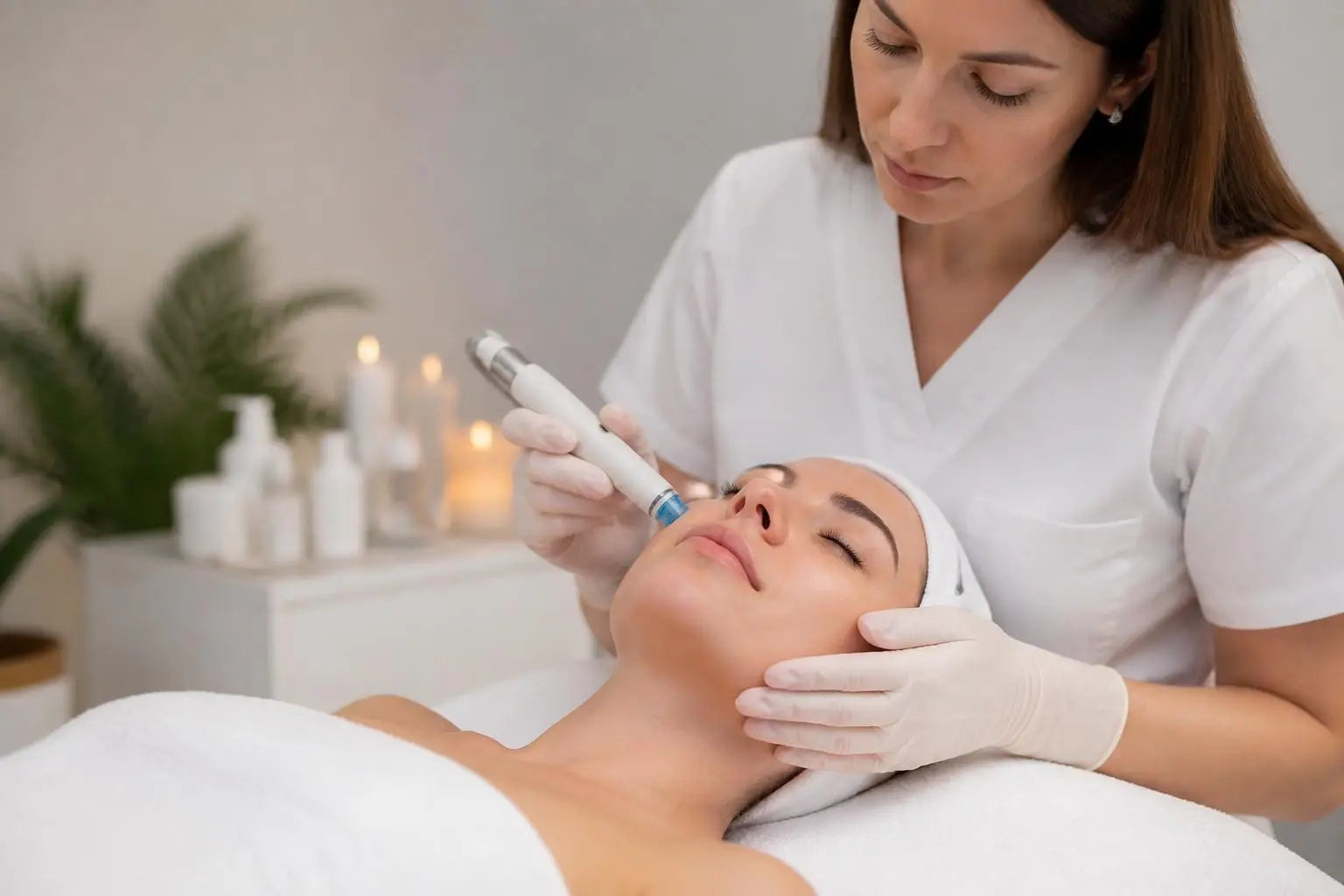
Hydrafacials specifically benefit oily skin through vacuum-powered extraction combined with serum infusion. The treatment clears pores while delivering oil-regulating ingredients directly into skin.
Maximizing At-Home Results
Consistency surpasses intensity when managing oily skin. Daily adherence to appropriate routines produces superior outcomes compared to sporadic use of premium products.
Explore the full range of refined skincare collections that complement professional treatments with luxury formulations designed for home use.
Lifestyle Factors Influencing Oil Production
Beyond topical applications, systemic factors significantly impact sebum production. Diet, stress management, sleep quality, and hydration all influence how much oil your skin produces.
Dietary Considerations
High-glycemic foods and dairy products have demonstrated correlations with increased sebum production and acne formation. Incorporating omega-3 fatty acids, zinc-rich foods, and antioxidant-dense vegetables supports skin health from within.
Adequate water consumption helps maintain proper hydration balance, potentially reducing the skin's compensatory oil production triggered by internal dehydration.
Stress and Hormonal Balance
Cortisol elevation from chronic stress stimulates sebaceous gland activity. Stress management techniques including meditation, exercise, and adequate sleep contribute meaningfully to oil regulation.
Hormonal fluctuations during menstrual cycles affect oil production patterns. Tracking these changes helps anticipate when skin may need additional support from targeted face products for oily skin.
Long-Term Management and Realistic Expectations
Managing oily skin represents an ongoing commitment rather than a quick fix. Understanding realistic timelines for improvement helps maintain motivation through the adjustment period.
Timeline for Visible Results
Most active ingredients require 4-8 weeks of consistent use before delivering noticeable improvements. Retinoids may require 12 weeks for full benefits to manifest, while niacinamide often shows initial effects within 2-4 weeks.
Patience proves essential. Premature product switching prevents adequate assessment of efficacy and can actually worsen skin through constant formulation changes.
Preventing Common Pitfalls
Over-cleansing strips natural oils, triggering increased sebum production. Excessive exfoliation damages the skin barrier, leading to both sensitivity and reactive oiliness. Skipping moisturizer creates the dehydration-oil cycle that perpetuates shine.
These mistakes undermine even the most sophisticated product selections. Gentle, consistent application of well-formulated face products for oily skin yields superior results to aggressive, irregular approaches.
Successfully managing oily skin requires understanding the interplay between sebum production, product formulation, and lifestyle factors. By selecting sophisticated face products for oily skin that respect your complexion's needs while delivering refined results, you can achieve the balanced, luminous skin that defines Parisian elegance. Velours de Paris offers luxury skincare solutions designed to enhance your natural beauty with prestige formulations that control shine without compromising sophistication, bringing the art of French skincare refinement to your daily routine.