Cart
0
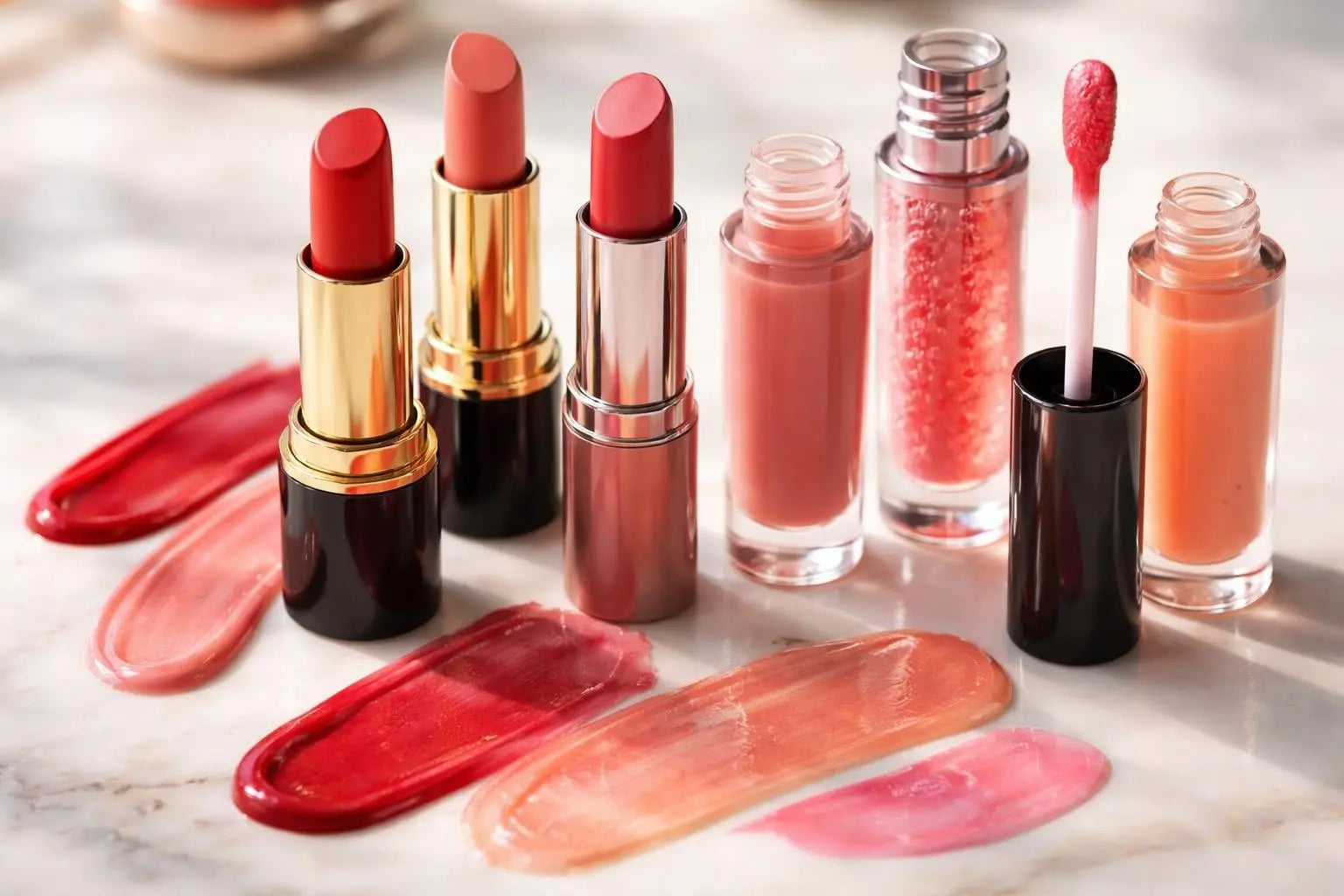
The world of lip cosmetics presents an elegant balance between two essential categories that define modern beauty routines. Understanding the nuances between these products enables discerning consumers to curate collections that reflect both personal style and practical needs. From boardroom presentations to evening galas, the right lip product elevates confidence while complementing sophisticated aesthetics. This comprehensive exploration examines formulations, applications, and strategic selection principles that distinguish premium lip care from ordinary alternatives.
Understanding the Fundamental Differences Between Lipstick and Gloss
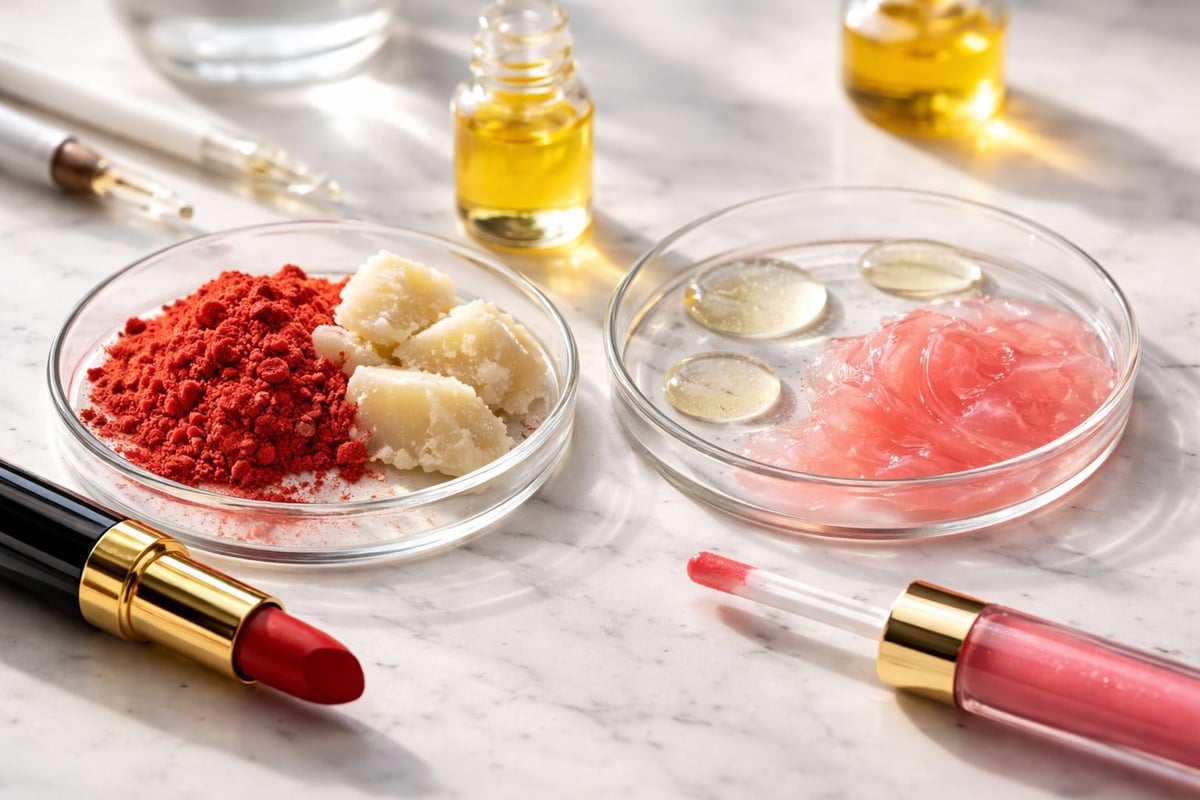
The composition of lipstick and gloss reveals distinct chemical profiles designed for specific aesthetic outcomes. Lipstick traditionally contains higher concentrations of pigments, waxes, and oils that create opaque coverage with lasting power. The waxy base provides structure, allowing manufacturers to mold products into classic bullet shapes while delivering concentrated color payoff in single applications.
Formulation Architecture and Ingredient Profiles
Lip gloss formulations prioritize shine and hydration through elevated levels of emollients and light-reflecting particles. The real difference between lip gloss and lipstick extends beyond superficial appearance to fundamental structural variations that influence performance throughout wear time.
Key formulation distinctions include:
- Pigment concentration: Lipsticks contain 15-25% pigment loads while glosses typically feature 2-10%
- Wax content: Traditional lipsticks incorporate beeswax, carnauba wax, or synthetic alternatives at 10-20%
- Oil ratios: Glosses emphasize non-volatile oils that maintain fluidity and prevent product hardening
- Molecular weight: Lipstick formulations use higher molecular weight ingredients for transfer resistance
The textural experience differs dramatically between categories. Lipstick delivers substantial coverage with minimal applications, creating defined lip contours that withstand extended wear periods. Gloss provides luminous dimensions that catch light dynamically, though formulations require more frequent reapplication to maintain initial intensity.
Historical Evolution and Cultural Significance
The invention of lip gloss by Max Factor in 1930 revolutionized cosmetic possibilities beyond traditional lipstick applications. Originally developed for film actresses requiring enhanced light reflection under studio conditions, gloss transcended its technical origins to become a cultural phenomenon representing youth, vitality, and approachability.
Decade-by-Decade Transformation Patterns
| Era | Lipstick Trends | Gloss Innovation | Cultural Context |
|---|---|---|---|
| 1930s-1940s | Bold reds, matte finishes | Professional film use only | Wartime glamour emphasis |
| 1960s-1970s | Frosted pastels, pearl finishes | Mass market introduction | Youth culture rebellion |
| 1990s-2000s | Brown nudes, glossy overlays | Plumping formulations | Maximalist beauty ideals |
| 2020s-2026 | Hybrid formulas, clean ingredients | Conditioning treatments | Wellness integration focus |
The pendulum between matte lipstick dominance and glossy finishes reflects broader aesthetic philosophies. Contemporary preferences embrace why lip gloss is back with reformulated products addressing historical limitations while preserving signature shine characteristics.
Strategic Selection Criteria for Different Occasions
Professional environments typically favor sophisticated lipstick applications that project authority without distraction. Satin and semi-matte finishes provide color intensity while avoiding the high-maintenance aspects of ultra-matte formulations or glossy alternatives requiring constant monitoring.
Matching Products to Lifestyle Requirements
Evening occasions permit bolder experimentation with lipstick and gloss layering techniques. Applying richly pigmented lipstick as a base layer before topping with coordinating gloss creates dimensional effects that photograph beautifully under varied lighting conditions. This approach combines the longevity advantages of lipstick with the light-catching properties of gloss.
Casual daytime settings benefit from:
- Sheer lipstick formulations providing buildable color without heavy application
- Tinted lip glosses offering natural enhancement with minimal commitment
- Lip stain bases topped with clear gloss for extended wear with fresh appearance
- Balm-lipstick hybrids combining treatment benefits with subtle pigmentation
Consider environmental factors when selecting between categories. Windy conditions and outdoor activities favor transfer-resistant lipsticks over glosses prone to hair adhesion. Indoor climate-controlled environments support glossier applications without environmental interference.
Application Techniques for Professional Results
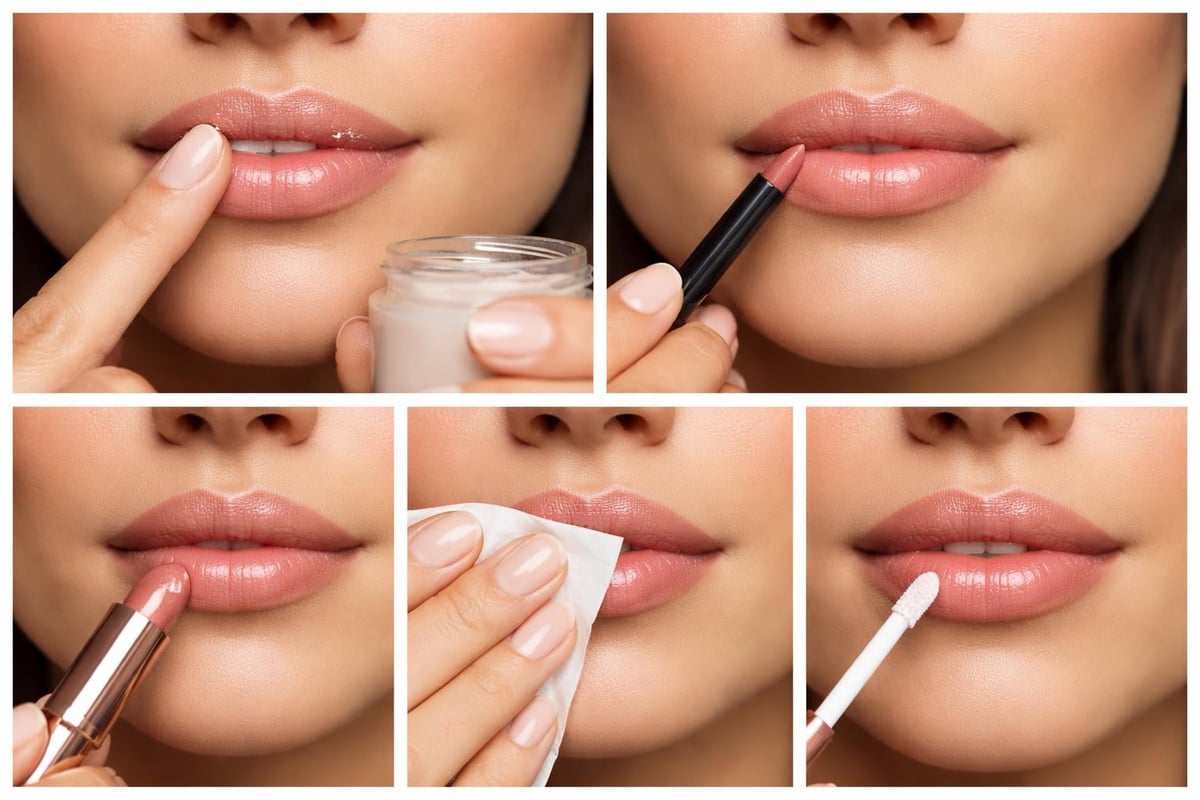
Proper application methodology maximizes product performance regardless of formula selection. Lipstick application benefits from preliminary lip preparation including gentle exfoliation and hydrating treatments applied thirty minutes before color application. This foundation prevents product from settling into fine lines while ensuring even color distribution.
Precision Methods and Tool Selection
Begin lipstick application at the cupid's bow, defining the upper lip outline before filling remaining areas with deliberate strokes. Professional makeup artists recommend tissue blotting between layers when building intensity, as this technique removes excess oils while allowing pigments to adhere directly to lip tissue.
Gloss application requires lighter touch and strategic placement:
- Concentrate product at lip centers for plumping illusion through light reflection
- Avoid overlining as gloss migration emphasizes rather than conceals boundaries
- Apply with dedicated brushes for hygiene and precise control over distribution
- Layer sparingly to prevent heavy accumulation that feels uncomfortable
The benefits of both lipstick and lip gloss become accessible through intelligent combination approaches. Pairing complementary shades from the same color family creates cohesive looks while leveraging the strengths of each product category.
Formulation Innovations in Modern Luxury Products
Contemporary lipstick and gloss formulations incorporate advanced ingredients that blur traditional category boundaries. Peptide complexes promote lip tissue health, hyaluronic acid provides sustained hydration, and botanical extracts deliver antioxidant protection alongside aesthetic enhancement. These developments reflect consumer demands for products serving multiple purposes within streamlined routines.
Premium brands invest heavily in texture engineering that addresses historical complaints about sticky gloss formulations or drying lipstick experiences. Modern lip glosses feature lighter, non-tacky textures achieved through silicone derivatives and volatile oils that provide initial slip before evaporating to reduce residue sensation.
Ingredient Technology Comparison
| Component Category | Lipstick Function | Gloss Application | Shared Benefits |
|---|---|---|---|
| Hyaluronic acid | Prevents feathering | Plumping appearance | Deep hydration |
| Vitamin E | Color stability | Antioxidant shine | UV protection |
| Plant oils | Creamy texture | Lightweight feel | Nourishing care |
| Peptides | Anti-aging support | Volume enhancement | Tissue regeneration |
The integration of skincare principles into lip cosmetics represents significant evolution from purely decorative origins. Discerning consumers increasingly prioritize formulations delivering measurable conditioning benefits alongside color enhancement, rejecting the historical trade-off between performance and care.
Velours de Paris offers luxury refined skincare and couture cosmetics that embody this sophisticated approach to lip care. Their lip gloss collection exemplifies Parisian elegance through formulations balancing aesthetic brilliance with nourishing treatment properties.
Color Theory and Shade Selection Principles
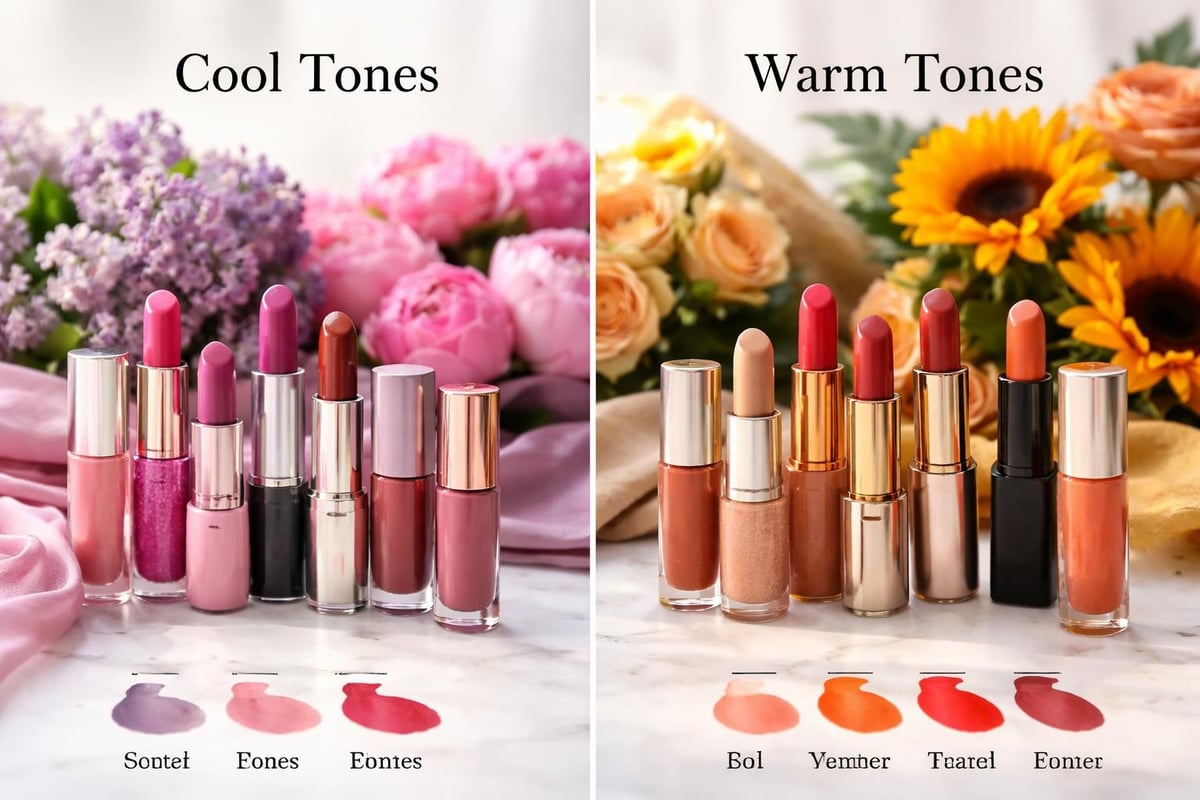
Understanding undertone compatibility transforms shade selection from guesswork into strategic decision-making. Cool undertones harmonize with blue-based reds, berry tones, and mauve families in both lipstick and gloss formats. Warm undertones complement coral, peach, and orange-based shades that enhance natural coloring without competing against skin's inherent characteristics.
Seasonal Palette Adjustments
Spring and summer months traditionally favor lighter, brighter formulations that reflect increased natural light exposure. Sheer glosses in peachy nudes or pink families coordinate with bronzed complexions and lighter makeup aesthetics. Conversely, autumn and winter seasons support richer lipstick applications in burgundy, chocolate, and deep berry territories that complement heavier foundation and contouring techniques.
Consider existing makeup collections when expanding lip product inventories. Harmonious coordination between lip color and blush selections creates polished appearances without requiring extensive color theory expertise. Monochromatic approaches using similar tones across cheeks and lips simplify morning routines while ensuring cohesive results.
Longevity Optimization and Wear-Time Extension
Comparing lipstick and lip gloss longevity reveals predictable performance patterns based on formulation chemistry. Traditional cream lipsticks provide 3-5 hour wear before requiring touch-ups, while liquid lipsticks extend this window to 6-8 hours through film-forming polymers that create flexible color layers resistant to transfer and fading.
Gloss formulations typically require reapplication every 1-2 hours as emollients migrate and evaporate. This characteristic reflects the category's hydration priorities rather than formulation deficiency. Strategic application timing transforms this apparent limitation into opportunity for subtle color adjustment throughout extended wear periods.
Professional Longevity Enhancement Methods
- Prime lips with colorless pencil covering entire surface for enhanced lipstick grip
- Set cream lipstick with translucent powder applied through tissue for matte transformation
- Refresh gloss over existing lipstick rather than removing and reapplying complete looks
- Carry coordinating products in travel sizes for efficient touch-ups without full makeup bags
The emergence of hybrid products combining pigment intensity with glossy finishes addresses longevity concerns while maintaining aesthetic preferences. These innovations utilize gel-based systems that suspend pigments in flexible matrices, preventing the migration common to traditional gloss while avoiding the dryness associated with long-wear lipsticks.
Ingredient Consciousness and Clean Beauty Standards
Modern consumers scrutinize ingredient lists with unprecedented attention to safety profiles and ethical sourcing. The shift toward clean beauty standards impacts lipstick and gloss formulations through elimination of controversial components including parabens, synthetic fragrances, and petroleum-derived ingredients. Premium brands respond by reformulating around plant-based alternatives that meet performance expectations without compromising safety commitments.
Common clean swaps include:
- Plant waxes replacing petroleum-derived paraffin in lipstick bases
- Natural pigments from fruit extracts and minerals instead of synthetic dyes
- Organic oils providing emollience without silicone dependencies
- Preservation systems utilizing antimicrobial plant compounds over traditional preservatives
The difference between conventional and clean formulations extends beyond ingredient philosophy to manufacturing processes emphasizing sustainability and transparency. Conscious consumers investigate full supply chains, demanding accountability from raw material sourcing through final packaging decisions.
Texture Preferences and Finish Categorization
Lipstick finishes span considerable spectrum from ultra-matte formulations absorbing all light to high-shine lacquers mimicking gloss characteristics. Understanding these gradations enables precise selection matching specific aesthetic goals and functional requirements.
Comprehensive Finish Classification
| Finish Type | Visual Appearance | Longevity | Comfort Level | Ideal Usage |
|---|---|---|---|---|
| Matte | Flat, no reflection | 8+ hours | Can be drying | Professional settings |
| Satin | Subtle sheen | 5-6 hours | Comfortable | Daily versatility |
| Cream | Moderate shine | 4-5 hours | Hydrating | Casual elegance |
| Gloss | High reflection | 1-2 hours | Very comfortable | Special occasions |
| Metallic | Reflective shimmer | 3-4 hours | Variable | Evening events |
Gloss textures similarly range from thick, viscous formulations providing dramatic shine to lightweight oils delivering subtle enhancement. Personal preference drives these selections, though understanding performance trade-offs prevents disappointment when products behave according to their inherent characteristics rather than misaligned expectations.
The lipstick collection at Velours de Paris offers refined options across finish categories, ensuring discerning clients access formulations matching both aesthetic preferences and lifestyle demands.
Layering Strategies for Custom Effects
Combining lipstick and gloss unlocks creative possibilities unavailable through single-product applications. This technique builds dimension while customizing existing shade libraries toward infinite variations without purchasing extensive collections. Begin with neutral lipstick bases, then modify undertone and intensity through strategic gloss overlays in complementary or contrasting families.
Advanced Combination Techniques
Ombre effects emerge from precise product placement rather than expensive specialized formulations. Apply darker lipstick shades to outer lip corners, lighter tones to centers, then blend boundaries with fingertips before sealing with clear gloss. This approach creates professional gradient effects using existing inventory.
Consider coordinating lip liner selections with layered approaches. Liner prevents color bleeding while providing base structure that supports subsequent lipstick and gloss applications. This three-product system delivers editorial results through accessible techniques requiring minimal artistic expertise.
Experimenting with unconventional combinations reveals unexpected synergies. Cool-toned mauve lipsticks topped with warm peachy glosses create sophisticated neutrals suitable for conservative environments. Bold red lipsticks softened with nude glosses provide approachable color intensity bridging professional and social contexts.
Maintenance and Product Longevity
Proper storage extends lipstick and gloss shelf life while maintaining formulation integrity. Avoid exposing products to temperature extremes that cause separation in gloss emulsions or blooming in lipstick waxes. Store products away from direct sunlight in climate-controlled environments maintaining consistent temperatures between 60-75°F.
Hygiene practices prevent bacterial contamination that compromises both product performance and user safety:
- Sanitize applicators between uses with alcohol-based cleaners
- Avoid sharing lip products to prevent cross-contamination
- Replace products every 12-18 months regardless of remaining quantity
- Inspect regularly for texture changes, odor development, or color shifts
Quality formulations from reputable manufacturers incorporate preservation systems supporting extended shelf life when products receive proper care. The investment in premium cosmetics justifies through superior performance and enhanced longevity compared to mass-market alternatives requiring frequent replacement.
Addressing Common Application Challenges
Feathering represents the most frequent complaint regarding lipstick wear, occurring when color migrates into fine lines surrounding the lip border. This phenomenon intensifies with age as lip tissue loses collagen density and develops more pronounced texture variations. Combat feathering through dedicated lip primers creating smooth surfaces that prevent pigment travel.
Problem-Solving Technical Issues
| Challenge | Lipstick Solution | Gloss Alternative | Prevention Strategy |
|---|---|---|---|
| Feathering | Matte formulas with liner | Avoid outer edge application | Prime and set properly |
| Dryness | Cream or satin finishes | Conditioning gloss overlays | Pre-treatment with balm |
| Short wear | Long-wear liquid formulas | Stain base with gloss top | Proper application technique |
| Uneven color | Exfoliate and moisturize | Sheer buildable formulas | Consistent lip care routine |
Gloss stickiness concerns diminish through modern formulation advances, though careful product selection remains important. Test textures before purchasing full sizes, noting how products feel after fifteen-minute wear periods when initial application sensations settle into characteristic behaviors.
Achieving even lipstick application across textured lip surfaces requires addressing underlying tissue condition. Regular exfoliation removes dead cell accumulation that creates uneven surfaces, while consistent moisturizing maintains suppleness supporting smooth product distribution. These preparatory steps prove equally important as application technique in achieving professional results.
Integration with Comprehensive Beauty Routines
Lipstick and gloss selections coordinate with broader makeup aesthetics and skincare regimens supporting healthy tissue as the foundation for superior color application. Nighttime lip treatments featuring intensive moisturizers and reparative ingredients ensure daytime products perform optimally on well-conditioned surfaces.
Consider timing when incorporating both categories into daily routines. Morning applications favor longer-wearing lipstick formulations requiring minimal maintenance through busy schedules. Evening transitions permit switching to glossier finishes as social contexts become more relaxed and reapplication opportunities increase.
The relationship between lip products and complementary cosmetics influences overall aesthetic cohesion. Bold lip colors typically pair with neutral eye makeup, while dramatic eye looks benefit from subtle lip treatments. This balance prevents competing focal points while ensuring deliberate emphasis guides viewer attention according to strategic intent.
Mastering the art of lipstick and gloss selection empowers confident self-expression through sophisticated product knowledge and strategic application techniques. Whether prioritizing longevity for professional demands or embracing luminous finishes for special occasions, understanding formulation distinctions and performance characteristics ensures optimal results across diverse contexts. Explore the curated collections at Velours de Paris to discover luxury lip care products embodying Parisian elegance while delivering exceptional performance and nourishing treatment benefits worthy of discerning beauty enthusiasts.