Cart
0
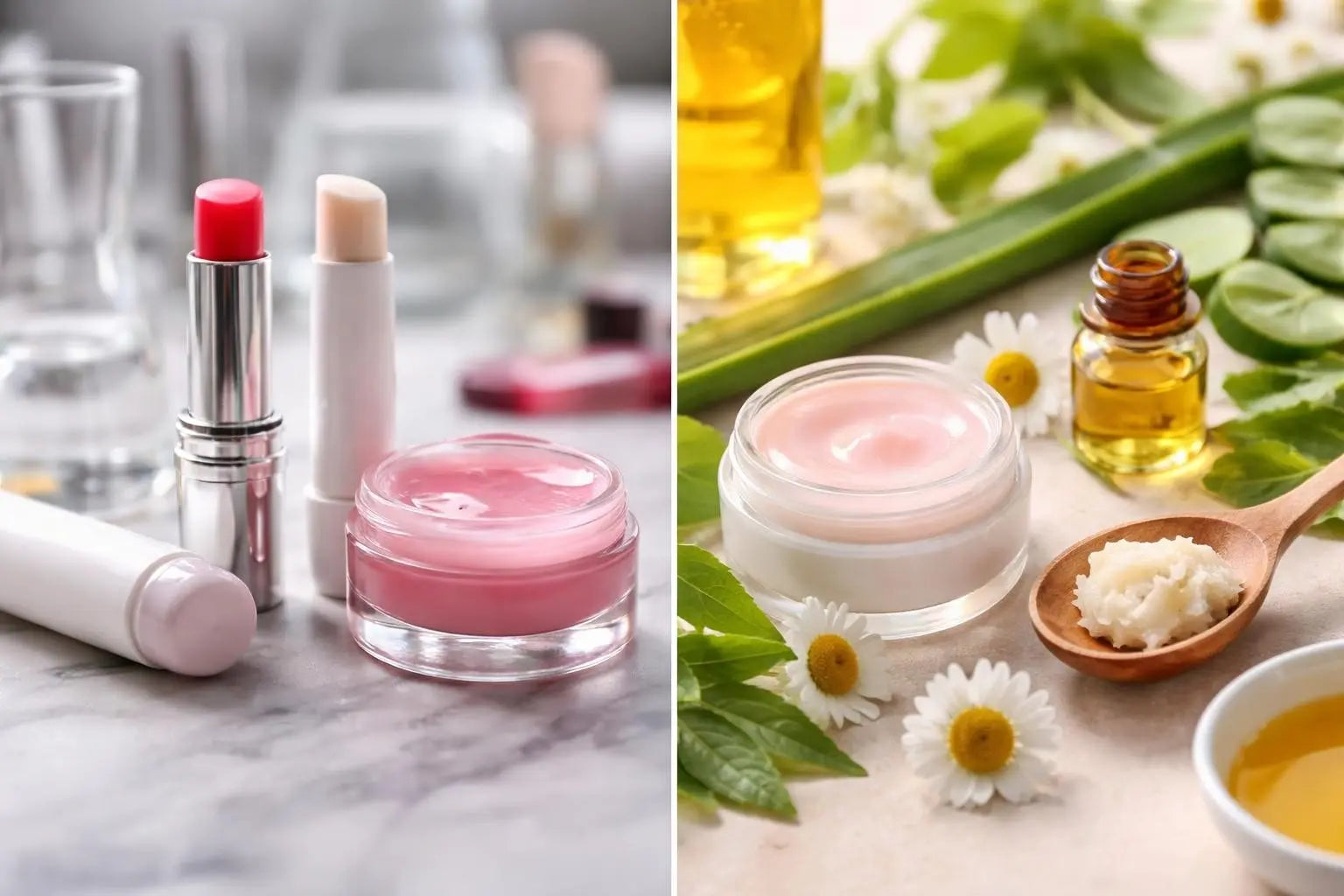
The beauty industry has witnessed a significant shift toward transparency and clean formulations, with consumers increasingly scrutinizing ingredient lists and demanding safer alternatives. This movement has particularly impacted lip care, where products are applied to one of the most delicate and absorbent areas of the face. Natural lip products have emerged as a sophisticated response to concerns about synthetic additives, petroleum derivatives, and potentially harmful chemicals that have dominated conventional cosmetics for decades. Understanding what makes a lip product truly natural, which ingredients deliver results, and how to navigate the growing market empowers you to make informed choices that align with both your wellness values and aesthetic goals.
Understanding What Makes Lip Products Natural
The term "natural" in beauty can be confusing, as regulatory standards vary across regions and manufacturers interpret the designation differently. Genuinely natural lip products prioritize ingredients derived from plants, minerals, and other naturally occurring sources rather than synthetic chemicals created in laboratories.
Defining Natural Formulations
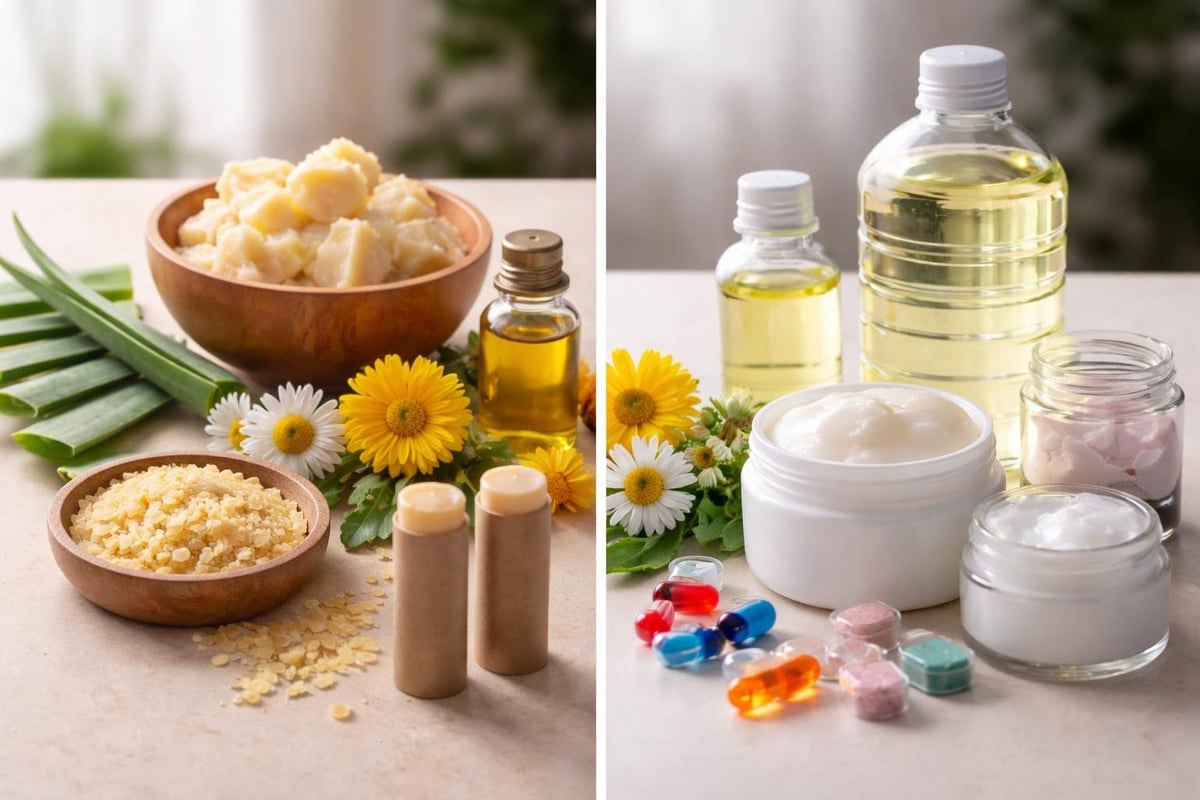
Natural lip formulations typically exclude petroleum-based ingredients like mineral oil and petrolatum, which are common in conventional lip balm products. Instead, they rely on plant butters, waxes, and oils that provide similar protective and moisturizing benefits without the synthetic component concerns.
Key characteristics of authentic natural lip products include:
- Plant-based emollients like shea butter, cocoa butter, and coconut oil
- Natural waxes such as beeswax, candelilla wax, or carnauba wax
- Botanical extracts with therapeutic properties
- Mineral-based pigments for color cosmetics
- Essential oils for fragrance rather than synthetic perfumes
- Absence of parabens, phthalates, and synthetic preservatives
The distinction between natural and organic adds another layer of complexity. Organic certifications require ingredients to be grown without synthetic pesticides or fertilizers, representing an even higher standard of purity.
Why Natural Ingredients Matter for Lip Care
The lips lack the protective outer layer of dead skin cells found elsewhere on the body, making them particularly vulnerable to absorption. Research suggests that whatever we apply to our lips inevitably enters our system through ingestion and dermal absorption.
This unique physiology makes the case for natural lip products particularly compelling. Synthetic ingredients may cause irritation, dryness, or allergic reactions in sensitive individuals. Some conventional formulations create a dependency cycle where lips feel dry without constant reapplication, rather than addressing underlying hydration needs.
Essential Natural Ingredients That Transform Lip Health
Understanding the functional ingredients in natural lip products helps you select formulations that address your specific concerns, whether that's hydration, protection, or color enhancement.
Nourishing Plant Butters and Oils
The foundation of effective natural lip care lies in rich, emollient ingredients that seal in moisture and create a protective barrier against environmental stressors.
| Ingredient | Benefits | Best For |
|---|---|---|
| Shea Butter | Deep moisturization, anti-inflammatory properties | Severely chapped lips |
| Cocoa Butter | Protective barrier, vitamin E content | Daily protection |
| Coconut Oil | Antimicrobial properties, quick absorption | Overnight treatment |
| Jojoba Oil | Mimics skin's natural oils, non-comedogenic | All skin types |
| Sweet Almond Oil | Vitamin-rich, gentle texture | Sensitive skin |
These plant-based ingredients in lip balms provide superior hydration compared to petroleum-based alternatives because they work with your skin's natural processes rather than simply coating the surface.
Natural Waxes for Structure and Protection
Waxes give lip products their solid form while providing a protective shield against wind, cold, and other environmental factors that cause moisture loss.
Candelilla wax serves as an excellent vegan alternative to beeswax, derived from a small shrub native to Mexico. It creates a firm texture and exceptional protective barrier without animal derivatives.
Beeswax remains popular for its natural antibacterial properties and ability to lock in moisture while still allowing skin to breathe. It also provides a subtle honey scent that many find appealing.
Carnauba wax, sourced from Brazilian palm trees, offers the hardest natural wax option, ideal for creating long-lasting formulations that maintain their shape even in warm conditions.
Navigating Color Cosmetics in Natural Formulations
While clear balms address basic lip care needs, many seek natural lip products that also provide color enhancement. The challenge lies in achieving vibrant, long-lasting pigmentation without synthetic dyes and staining agents.
Natural Pigments and Color Sources
Mineral pigments like iron oxides provide a spectrum of colors from soft nudes to deep berries. These naturally occurring minerals offer excellent color payoff without the potential toxicity concerns associated with synthetic dyes.
Plant-based colorants include:
- Beetroot powder for pink and red tones
- Cocoa powder for brown and nude shades
- Turmeric for warm golden undertones
- Alkanet root for purple and berry hues
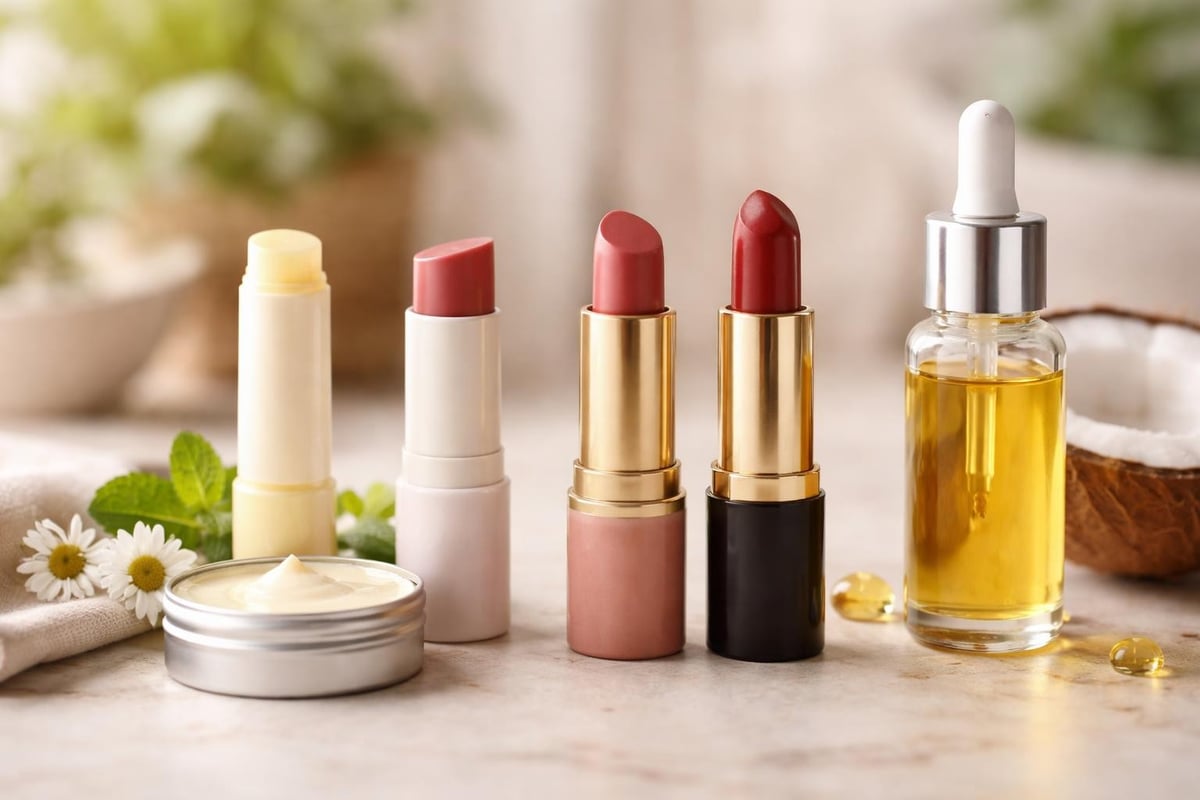
Natural lipsticks and lip products have evolved significantly, with brands now achieving the pigmentation and staying power previously only possible with conventional formulations.
Balancing Performance with Purity
One historical challenge with natural lip products has been achieving the same performance characteristics as conventional alternatives. Modern formulations, however, have largely closed this gap through innovative ingredient combinations and improved manufacturing processes.
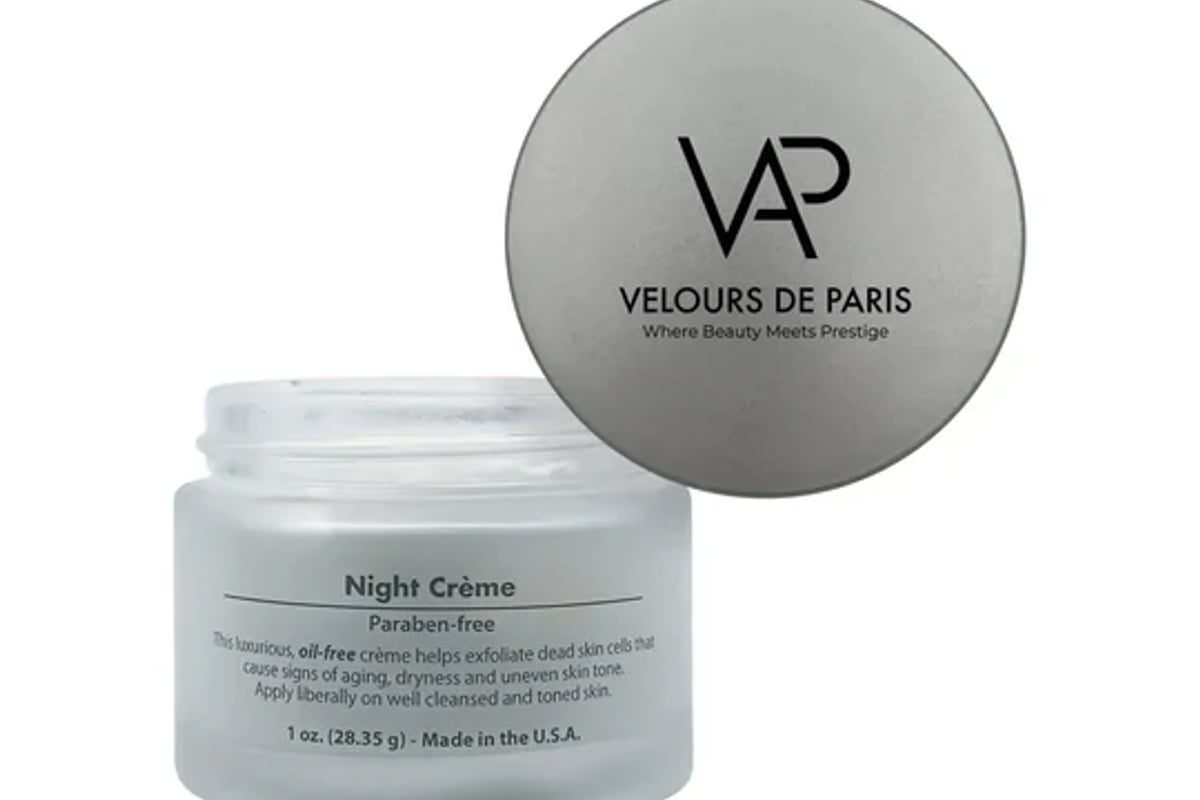
The Velours de Paris collection demonstrates how luxury and natural ingredients can coexist, offering sophisticated formulations that don't compromise on either elegance or clean beauty principles.
Identifying Ingredients to Avoid
Knowing what to exclude from your lip care routine proves just as important as understanding beneficial ingredients. Many conventional lip products contain questionable components that serve functional purposes but raise health or environmental concerns.
Synthetic Preservatives and Fragrances
Parabens (methylparaben, propylparaben, butylparaben) extend shelf life by preventing microbial growth but have been linked to hormonal disruption in some studies. Natural alternatives like vitamin E (tocopherol) and rosemary extract provide preservation without these concerns.
Synthetic fragrances can contain dozens of undisclosed chemicals, as fragrance formulations are considered proprietary. These may trigger allergic reactions or sensitivities. Natural lip products use essential oils or remain unscented.
Phthalates help fragrances last longer and make products more pliable but are associated with reproductive health concerns. They rarely appear on ingredient lists explicitly, hiding instead under the umbrella term "fragrance."
Petroleum-Based Ingredients
- Mineral oil and petrolatum coat lips rather than nourishing them
- Paraffin provides texture but offers no nutritional value to skin
- Microcrystalline wax serves as a synthetic alternative to natural waxes
- Synthetic polymers create shine but prevent moisture exchange
These ingredients create the illusion of hydration while potentially contributing to long-term dryness, as this comprehensive guide to natural lip products explains in detail.
Building Your Natural Lip Care Routine
Transitioning to natural lip products involves more than simply replacing conventional items with cleaner alternatives. A strategic approach addresses different needs throughout the day and across seasons.
Daily Protection and Hydration
Morning application should focus on protection and creating a smooth base for any color products. Look for formulations with natural SPF ingredients like zinc oxide or red raspberry seed oil, which provide broad-spectrum sun protection without chemical filters.
Daytime essentials include:
- Protective balm with SPF for outdoor activities
- Tinted treatment for professional settings
- Clear nourishing formula for minimal makeup days
Mid-day reapplication becomes necessary as natural products may not last as long as synthetic alternatives, though many find this acceptable given the health benefits. Keep a lip balm in your bag, desk drawer, and car for convenient touch-ups.
Evening Treatment and Repair
Nighttime offers an opportunity for intensive treatment, as you won't be eating, drinking, or speaking as much. Thicker, richer formulations with concentrated nutrients work overnight to repair damage and restore moisture.
Apply a generous layer of a butter-rich balm before bed, allowing the ingredients to penetrate deeply during sleep. This practice proves particularly effective during winter months or in dry climates where environmental factors stress delicate lip tissue.
Seasonal Adjustments
Winter demands heavier, more protective formulations to guard against cold air and indoor heating. Consider products with higher concentrations of cocoa butter or beeswax that create a substantial barrier.
Summer calls for lighter textures that won't feel heavy or melt in heat. Lip oils provide hydration with a breathable feel, perfect for warm weather while still delivering nourishment.
Specialty Natural Lip Products for Specific Needs
Beyond basic care, natural formulations can address particular concerns from aging to pigmentation, offering targeted solutions without synthetic actives.
Anti-Aging Lip Treatments
Lips show signs of aging through loss of volume, increased fine lines, and diminished color. Natural ingredients like rosehip oil, sea buckthorn, and hyaluronic acid (derived from plant sources) provide age-defying benefits.
Plumping ingredients from nature:
- Peppermint oil stimulates circulation for temporary fullness
- Cinnamon extract creates a gentle warming effect
- Ginger increases blood flow to enhance natural color
These work through mild irritation that increases blood flow, creating a subtle plumping effect without the burning sensation of some synthetic plumpers.
Healing and Repair Formulations
Severely chapped, cracked, or damaged lips require therapeutic intervention. Natural ingredients offer powerful healing properties without the side effects associated with medicated products.
| Healing Ingredient | Therapeutic Action | Application Frequency |
|---|---|---|
| Calendula | Anti-inflammatory, promotes tissue repair | 3-4 times daily |
| Chamomile | Soothes irritation, reduces redness | As needed |
| Vitamin E | Antioxidant protection, aids healing | Twice daily |
| Propolis | Antimicrobial, accelerates recovery | During active healing |
Products combining multiple healing botanicals provide comprehensive repair for damaged lips, addressing both symptoms and underlying causes.
Shopping Smart for Natural Lip Products
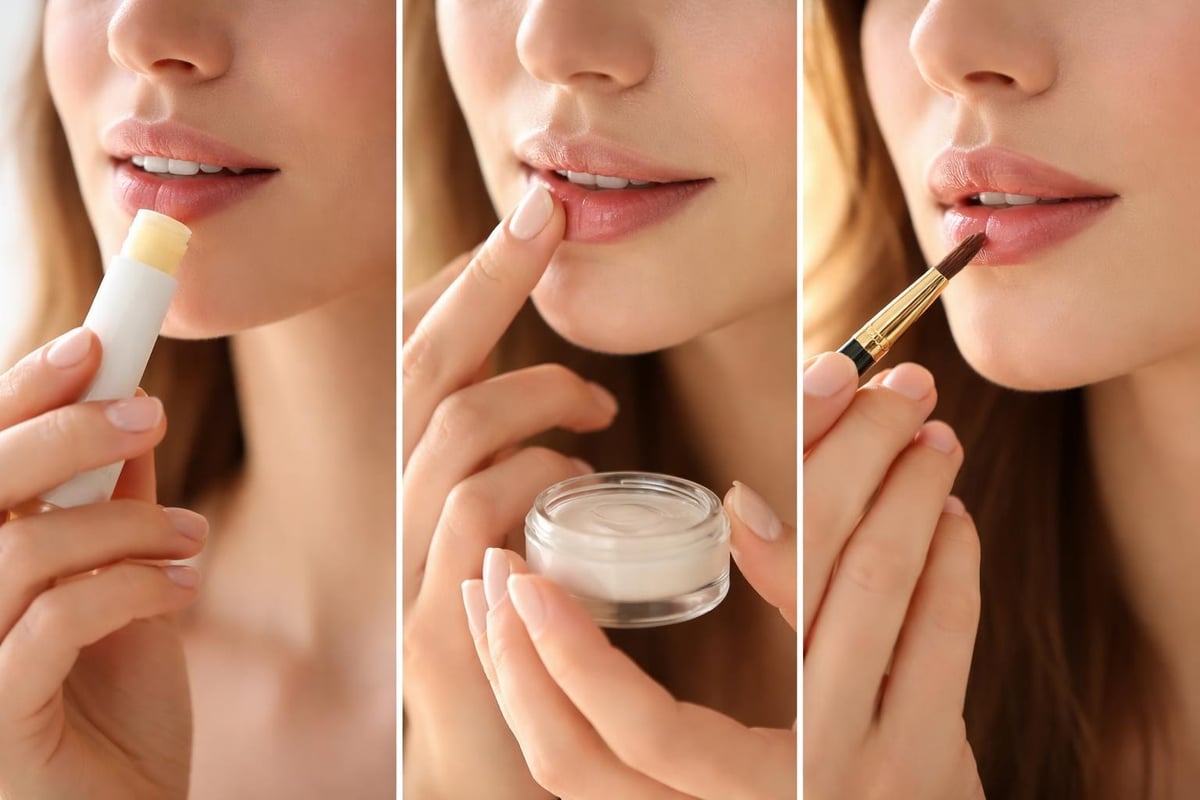
The expanding market for natural lip products creates both opportunities and challenges. Distinguishing genuinely clean formulations from greenwashed marketing requires informed evaluation.
Reading Ingredient Lists Effectively
Ingredients appear in descending order by concentration, with the first five to seven components comprising the bulk of the formulation. Focus your attention here, as trace ingredients at the list's end have minimal impact.
Red flags to watch for:
- "Natural fragrance" without specific source disclosure
- Long chemical names despite natural claims
- Multiple preservatives suggesting extended shelf life priorities
- Color additives beginning with "FD&C" or "D&C" (synthetic dyes)
Conversely, positive indicators include botanical names in Latin, recognizable plant ingredients, and transparency about sourcing and processing methods.
Understanding Certifications and Claims
Various third-party certifications help verify natural and organic claims. USDA Organic, COSMOS Natural, and Ecocert represent rigorous standards that require independent verification.
However, absence of certification doesn't necessarily indicate inferior quality. Small brands may produce excellent natural lip products without pursuing expensive certification processes. Research individual brands, read reviews, and examine their transparency about ingredients and manufacturing.
Price Versus Value Considerations
Natural lip products often cost more than conventional alternatives due to higher-quality ingredients, smaller production batches, and sustainable sourcing practices. This represents an investment in your health and environmental impact rather than merely a cosmetic expense.
Consider cost per application rather than package price. A slightly more expensive natural balm that lasts longer and performs better offers superior value to a cheap conventional product requiring constant reapplication.
The Environmental Dimension of Natural Lip Products
Choosing natural lip products extends beyond personal health to encompass broader environmental implications. Sustainable beauty practices consider ingredient sourcing, packaging choices, and ecosystem impact.
Sustainable Ingredient Sourcing
Ethical brands prioritize renewable ingredients harvested without depleting natural resources. Palm oil derivatives, while technically natural, contribute to deforestation when not sourced responsibly. Look for RSPO (Roundtable on Sustainable Palm Oil) certification or brands that avoid palm-derived ingredients entirely.
Environmentally responsible practices include:
- Wild-harvested ingredients collected sustainably
- Organic farming methods that protect soil health
- Fair trade partnerships supporting farming communities
- Local sourcing reducing transportation emissions
Brands committed to sustainability typically communicate these values transparently through their marketing and packaging.
Packaging Innovation
Natural product formulations deserve equally thoughtful packaging. Many brands now offer recyclable containers, biodegradable tubes, or refillable options that reduce waste.
Paper-based tubes, glass containers, and metal tins provide plastic-free alternatives that align with natural product values. Some companies have introduced lipstick in compostable packaging, pushing the industry toward zero-waste solutions.
Customizing Natural Lip Products at Home
For those interested in complete control over ingredients, creating homemade natural lip products offers a rewarding and cost-effective option. Simple formulations require minimal equipment and readily available ingredients.
Basic DIY Lip Balm Recipe
Ingredients:
- 2 tablespoons shea butter
- 1 tablespoon coconut oil
- 1 tablespoon beeswax pellets
- 5 drops vitamin E oil
- Optional: 3-4 drops essential oil for scent
Process:
- Combine shea butter, coconut oil, and beeswax in a heat-safe container
- Melt ingredients together using a double boiler method
- Remove from heat and stir in vitamin E and essential oils
- Pour into clean containers before mixture solidifies
- Allow to cool completely before capping
This basic recipe can be customized with different butters, oils, and natural colorants to create personalized formulations addressing your specific needs.
Natural Lip Tint Creation
Adding color to homemade lip products requires food-grade colorants or mineral pigments. Beetroot powder creates beautiful pink tones, while cocoa powder produces natural brown shades perfect for nude lips.
Mix small amounts of colorant into your base formula, testing the shade on your hand before committing to full batches. Remember that colors often appear more intense in the container than on lips, so start conservatively.
Making the Transition to Natural Lip Products
Switching from conventional to natural lip products may involve an adjustment period as your lips adapt to different formulation styles and ingredient profiles.
What to Expect During the Switch
Some people experience increased dryness initially, particularly when transitioning from petroleum-based products that created dependency. This temporary phase typically resolves within one to two weeks as lips adjust and begin responding to truly nourishing ingredients.
Tips for successful transition:
- Gradually introduce natural products rather than switching everything overnight
- Exfoliate gently once weekly to remove dead skin buildup
- Stay hydrated internally to support external lip health
- Be patient with texture and performance differences
- Keep multiple natural options available for different situations
Many discover that once adjusted to natural lip products, conventional alternatives feel heavy, artificial, or uncomfortable by comparison.
Realistic Performance Expectations
Natural formulations excel at providing genuine nourishment and protection but may require more frequent application than synthetic counterparts engineered for extreme longevity. This trade-off proves worthwhile for those prioritizing health and ingredient safety.
Color intensity and staying power have improved dramatically as natural lipstick technology advances, though extremely long-wearing claims often indicate synthetic ingredients. Embrace touch-ups as an opportunity to reapply beneficial ingredients rather than viewing frequency as a limitation.
Incorporating Natural Lip Products Into Your Beauty Philosophy
Natural lip products represent one component of a broader approach to clean beauty and conscious consumption. Integrating them effectively requires understanding how they complement other skincare and makeup choices.
Coordinating With Overall Skincare
Lips don't exist in isolation from the rest of your face. Products applied to surrounding areas can migrate to lips, making it important to maintain natural ingredient standards across your entire skincare routine.
Consider how different products interact. Heavy facial oils may affect lip product adhesion, while active ingredients like retinoids can cause irritation if they reach lip tissue. Strategic application order and careful placement prevent these issues.
Building a Versatile Collection
Rather than searching for one perfect natural lip product, develop a curated collection serving different purposes. This approach ensures you're prepared for various situations while maintaining natural ingredient standards.
Essential collection components:
- Intensive healing balm for overnight treatment
- Everyday protective formula for regular use
- Tinted option for professional settings
- Bold color choice for special occasions
- Lip liner for definition and longevity
This strategic variety prevents boredom while addressing the full spectrum of lip care and color needs throughout your daily life.
Embracing natural lip products represents a meaningful step toward cleaner beauty practices that prioritize both personal wellness and environmental responsibility. By understanding beneficial ingredients, avoiding harmful additives, and selecting formulations aligned with your specific needs, you can maintain beautiful, healthy lips without compromising on safety or sophistication. Velours de Paris combines Parisian elegance with clean formulations, offering refined lip care options that honor both your beauty standards and commitment to natural ingredients.