Cart
0
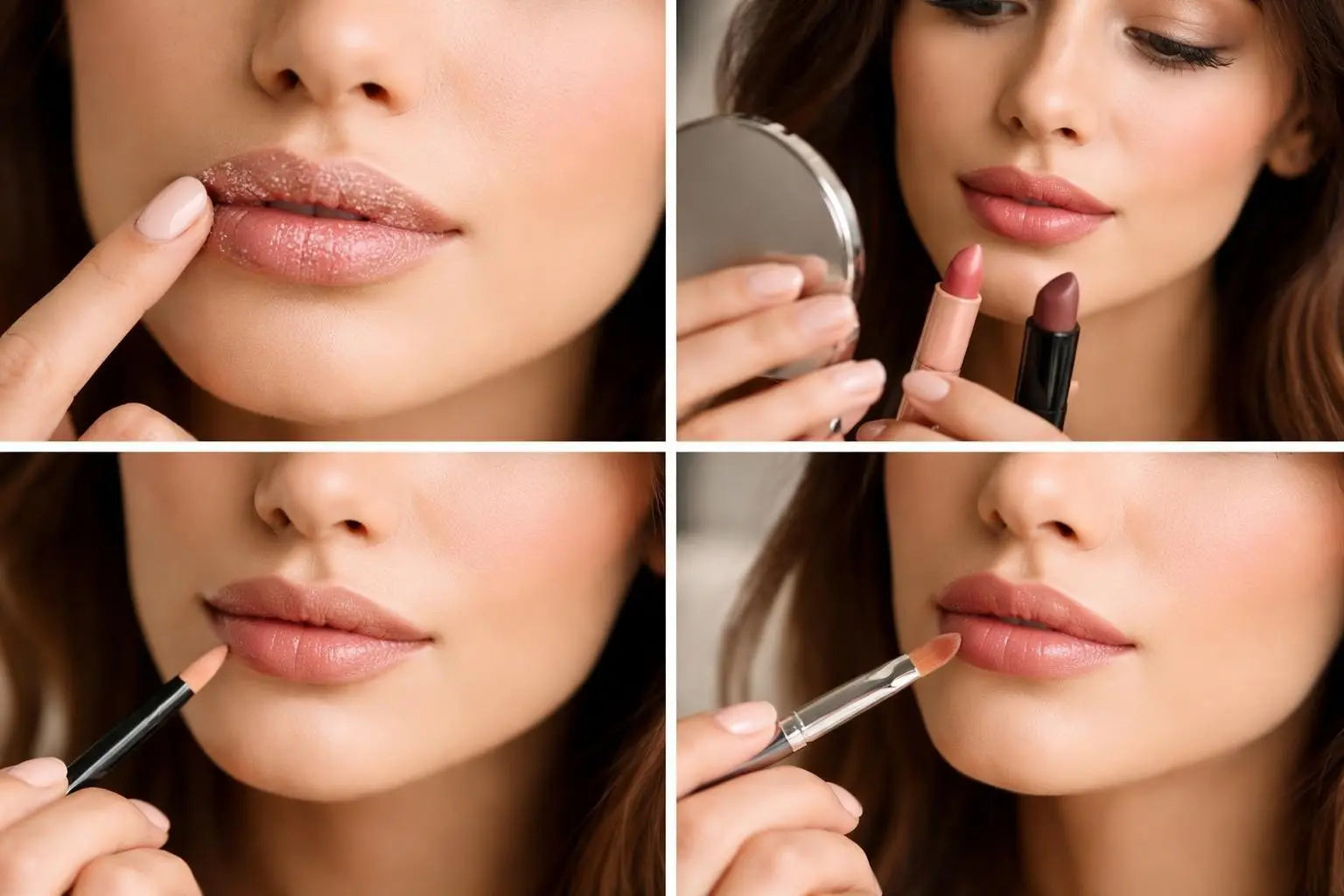
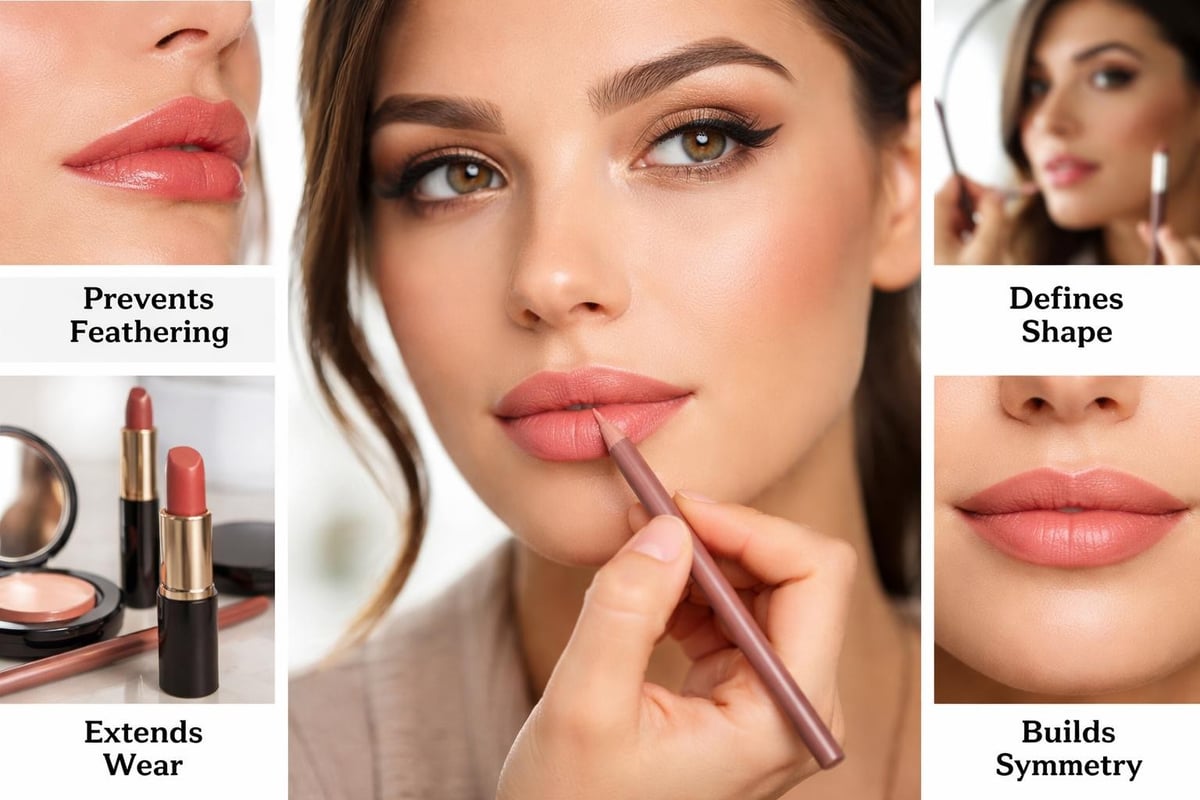
Lip liner has transcended its traditional role as a simple cosmetic tool to become an essential element in achieving refined, polished makeup looks. When you apply lip liner correctly, you create a foundation for your entire lip look, preventing color bleeding, enhancing lip shape, and extending the wear time of your lipstick or gloss. The precision and artistry behind proper lip liner application separates amateur makeup application from professional-quality results that exude Parisian elegance and sophistication.
Understanding the Purpose Behind Lip Liner Application
Lip liner serves multiple functions that extend far beyond simple definition. When you apply lip liner as part of your beauty routine, you establish boundaries that prevent lipstick and gloss from feathering into fine lines around the mouth. This containment feature becomes increasingly valuable as skin matures and develops texture changes.
The structural benefits of lip liner include creating symmetry between upper and lower lips, correcting naturally uneven lip shapes, and providing a base that grips color pigments more effectively than bare skin. Professional makeup artists emphasize that the right liner shade can completely transform how lipstick appears, either by intensifying color payoff or by neutralizing undertones for a customized finish.
Choosing the Right Formula and Shade
The lip liner market in 2026 offers unprecedented variety in formulas, from traditional wax-based pencils to modern gel formulations and liquid options. Each formula delivers distinct benefits depending on your lip type and desired outcome. Wax-based liners provide precise application and buildable coverage, while creamy formulas offer easier blending and a softer finish.
Key Formula Considerations:
- Dry or mature lips benefit from hydrating, creamy formulas with vitamin E or hyaluronic acid
- Oily lip types need longer-wearing, transfer-resistant formulas with setting properties
- Sensitive skin requires fragrance-free, hypoallergenic options without synthetic dyes
Shade selection remains one of the most critical decisions in lip liner application. The classic rule suggests matching your liner exactly to your natural lip color for versatile, everyday wear. However, modern techniques embrace shade variation for specific effects. A liner one shade deeper than your lipstick creates dimension and fullness, while matching your liner precisely to your lipstick ensures seamless color uniformity.
Preparing Your Lips for Optimal Application
Proper preparation dramatically impacts how smoothly you can apply lip liner and how long your lip makeup lasts. Begin with gentle exfoliation using a lip scrub or soft toothbrush to remove dead skin cells and create an even surface. This step proves particularly important for achieving clean, precise lines without skipping or dragging.
After exfoliation, apply a lightweight lip balm and allow it to absorb for three to five minutes. If excess balm remains on the lip surface when you're ready to apply lip liner, gently blot with a tissue to prevent the liner from sliding or smudging. According to Glamour's comprehensive guide, this balance between hydration and matte surface creates ideal conditions for liner adherence.
Essential Tools and Product Pairings
Beyond the liner itself, several tools enhance application precision and results. A handheld mirror provides better control than wall-mounted mirrors, allowing you to position your face at optimal angles. Natural lighting reveals true colors and prevents over-application that appears harsh in daylight.
| Tool | Purpose | Professional Tip |
|---|---|---|
| Lip brush | Blending liner inward | Use short, feathering strokes |
| Cotton swab | Correcting mistakes | Dip in micellar water for precision |
| Sharpener | Maintaining fine point | Sharpen before each application |
| Setting powder | Extending wear | Dust lightly over filled lips |
Consider pairing your liner with complementary lip products from the same color family. The luxury formulations found in premium beauty collections ensure that textures work harmoniously together rather than separating or pilling throughout the day.
Mastering the Step-by-Step Application Process
The technique you use to apply lip liner determines the final result more than the product itself. Professional makeup artists follow specific sequences that build shape, definition, and color gradually rather than attempting perfection in a single pass.
Precise Application Steps:
- Start at the cupid's bow center - Place your first mark at the center peak of your upper lip, creating a reference point for symmetry
- Define the outer corners - Mark both outer corners of your mouth where upper and lower lips meet
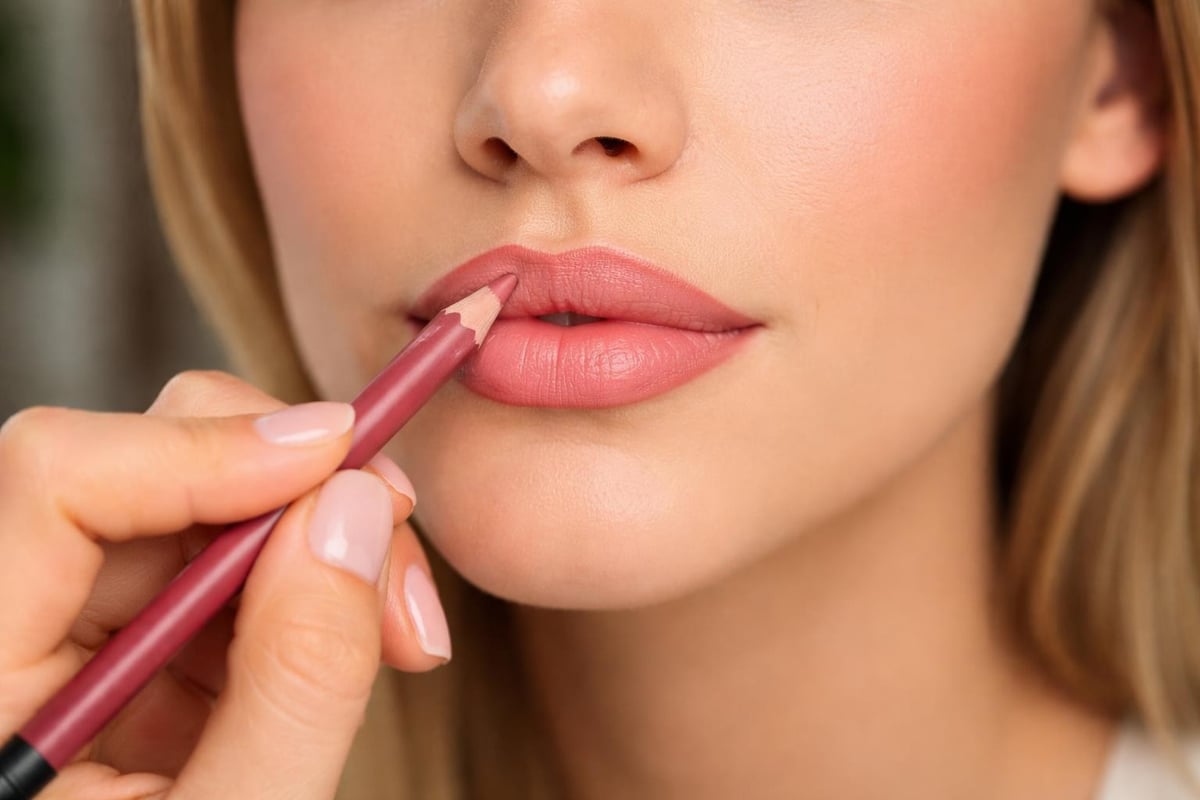
- Connect the points - Draw from the cupid's bow peak outward to each corner using short, controlled strokes
- Outline the lower lip - Begin at one corner and work across to the other, following your natural lip line
- Fill gradually - Use the side of the pencil to fill lips in sections, building color intensity
The pressure you apply affects both precision and intensity. Light pressure creates natural-looking definition, while firmer pressure deposits more pigment for bold, statement looks. Vogue's expert techniques emphasize varying pressure throughout application to achieve dimension and prevent harsh lines.
Advanced Techniques for Enhanced Results
Once you master basic application, advanced techniques allow you to customize your lip appearance dramatically. The overlining method, when executed with subtlety, creates the illusion of fuller lips without obvious artificial enhancement. This professional overlining technique requires precise control and gradual building.
To overline effectively, never extend more than one to two millimeters beyond your natural lip line. Focus enhancement on the center of the upper and lower lips rather than extending corners outward, which creates an unnatural, drawn-on appearance. Blend the overlining seamlessly into your natural lip using a small brush or your fingertip, creating an imperceptible transition.
For mature lips that may have lost definition over time, specialized application approaches address specific concerns. Feathering the liner inward rather than keeping it solely at the edge prevents color from settling into fine lines. Using a nude or neutral liner as a base layer before applying colored liner provides additional grip and prevents migration.
Coordinating Lip Liner with Complete Lip Looks
Understanding how to apply lip liner within the context of your complete lip makeup ensures cohesive, professional results. The relationship between liner, lipstick, and gloss requires strategic layering for optimal appearance and longevity.
For classic lipstick application, apply lip liner first to create boundaries and fill the entire lip surface. This full fill provides a base that intensifies lipstick color and extends wear significantly. When working with sheer or glossy finishes, liner application can be limited to the outer edge only, maintaining definition without interfering with the translucent effect.
The ombré lip trend of 2026 relies heavily on strategic liner application. Apply lip liner in a shade deeper than your lipstick around the outer edges only, then blend inward slightly. Fill the center of the lips with a lighter shade or leave bare before applying lipstick, creating natural-looking dimension.
Complementary Product Selection
Choosing lip products that work synergistically with your liner elevates the overall effect. Cream lipsticks pair beautifully with waxy liners, as both have similar textures that meld together seamlessly. Matte liquid lipsticks benefit from creamy liners that prevent the drying effect from becoming uncomfortable.
Pairing Guide:
- Classic red lips: Match liner to lipstick exactly or go one shade deeper for vintage glamour
- Nude lips: Choose liner matching your natural lip color to prevent an obvious outline
- Bold berry tones: Coordinate liner and lipstick precisely for modern sophistication
- Sheer glossy looks: Use clear or nude liner for invisible definition
When exploring different lip color combinations, consider how liner shade affects the overall impression. A brown-toned liner warms up pink lipsticks, while a rose-toned liner softens orange-based shades.
Troubleshooting Common Application Challenges
Even experienced makeup enthusiasts encounter challenges when they apply lip liner. Recognizing common issues and knowing correction techniques prevents frustration and ensures consistent results.
Uneven lines often result from inconsistent hand pressure or attempting to draw the entire lip line in one continuous stroke. Instead, use short, connected strokes and build the line gradually. Rest your elbow on a stable surface to minimize hand tremors that cause wavering.
Color that appears too harsh typically indicates using a liner shade too dark or cool for your undertone. Soften the effect by blending the liner inward with a lip brush before applying lipstick. Alternatively, layer a lighter, creamy lipstick over the liner to diffuse the intensity.
Extending Wear Throughout the Day
Proper application technique significantly impacts how long your liner maintains its appearance. Beyond the initial application, several maintenance strategies preserve the look for hours.
| Challenge | Solution | Prevention Strategy |
|---|---|---|
| Fading center color | Apply liner as base coat before lipstick | Fill entire lip with liner, not just edges |
| Feathering into lines | Use primer before liner application | Set with translucent powder after application |
| Uneven wear pattern | Blot and reapply after first hour | Build color in thin layers initially |
Carrying your liner for touch-ups ensures you can refresh definition without reapplying complete lip makeup. A quick trace around the lip line followed by blotting restores shape and prevents further color migration. For those interested in long-lasting lip products, combining quality liner with complementary formulas creates superior staying power.
Seasonal and Occasion-Specific Application Approaches
The way you apply lip liner can adapt to different seasons, occasions, and personal style preferences. Winter months often call for richer, deeper shades applied with fuller coverage, while summer favors lighter application with sheer, glossy topcoats.
Professional settings benefit from precise, polished liner application that creates clean edges and prevents any casual or undone appearance. Apply lip liner with extra attention to symmetry and complete coverage, pairing with sophisticated shades in neutral or classic red tones.
For evening events and special occasions, consider intensifying your liner application by using darker shades or applying multiple layers for enhanced dimension. The added drama complements evening lighting and photography, ensuring your lips remain a focal point without appearing overdone.
Adapting to Skin Tone and Undertones
Successful liner selection and application considers your unique skin tone and undertones. Cool undertones pair naturally with pink, berry, and blue-based red liners, while warm undertones harmonize with peach, coral, and orange-based red shades. Neutral undertones enjoy versatility across the spectrum.
Testing liner shades on your actual lips rather than on your hand reveals how the color interacts with your natural lip pigmentation. This simple step prevents purchasing shades that appear beautiful in the pencil but translate poorly on your specific coloring.
Those exploring various lip color trends find that investing in several liner shades creates flexibility for different looks. A small collection of three to five carefully chosen shades provides options for warm days, cool tones, neutral versatility, deep drama, and natural enhancement.
Professional Insights for Refined Results
Professional makeup artists apply lip liner with specific techniques that create editorial-quality results. One signature method involves applying liner slightly inside the natural lip line first, then going back to trace the exact edge afterward. This approach prevents accidental overlining while creating precise definition.
The pencil angle affects line thickness and intensity significantly. Holding the liner perpendil to your lips creates thick, bold lines suitable for dramatic looks, while angling the pencil nearly parallel to the lip surface produces fine, delicate lines perfect for natural enhancement.
Professional Application Secrets:
- Warm the pencil tip on the back of your hand before applying to soften the formula slightly
- Apply liner after foundation and powder but before lipstick for optimal staying power
- Use two different liner shades on upper and lower lips to create subtle dimension
- Set liner with a matching eyeshadow shade pressed over it for extended wear
Consider the expertise shared in our comprehensive lip product guides when developing your personal technique. Understanding both traditional methods and contemporary innovations allows you to adapt classic approaches to modern preferences.
Caring for Your Lip Liner Tools
Maintaining your lip liner pencils ensures consistent application quality and product longevity. Store pencils in a cool, dry location away from direct heat sources that can soften the formula or cause separation. Caps should always be replaced after use to prevent the tip from drying out or collecting dust.
Sharpening technique impacts how cleanly you can apply lip liner. Use a sharpener specifically designed for cosmetic pencils rather than standard office pencils sharpeners, as cosmetic sharpeners feature blades angled appropriately for softer formulas. Sharpen in short, gentle rotations rather than aggressive grinding that wastes product.
For twist-up liners without caps, retract the product fully after each use to protect the exposed formula from air exposure. These pencils generally last longer than traditional sharpenable versions as they eliminate waste from sharpening, though they offer less versatility in tip shape.
Integrating Lip Liner into Your Daily Beauty Routine
Making lip liner a consistent part of your makeup routine delivers cumulative benefits that extend beyond individual applications. When you apply lip liner regularly, you develop muscle memory that increases precision and speed dramatically. What initially requires careful concentration becomes second nature with practice.
Daily Routine Integration:
- Complete your base makeup and eye looks first
- Apply lip balm and allow absorption while finishing other makeup
- Blot excess moisture from lips
- Apply lip liner using your preferred technique
- Layer lipstick or gloss as desired
- Check for symmetry in natural lighting
Building this sequence into your routine ensures you never skip the lip liner step due to time constraints. The entire process, once practiced, adds only two to three minutes to your makeup application while significantly improving the polish and longevity of your lip look.
Those interested in refining their overall beauty approach will find valuable insights in our skincare and beauty content, covering everything from natural lip products to complementary skincare routines that prepare the canvas for flawless makeup application.
Mastering how to apply lip liner transforms your entire lip makeup approach, creating definition, longevity, and professional-quality results with every application. By understanding proper techniques, selecting appropriate formulas, and practicing consistently, you develop skills that enhance your natural beauty with refined elegance. Discover how Velours de Paris brings Parisian sophistication to your beauty routine with luxury lip care and couture cosmetics designed to complement your perfected application techniques. Enjoy free shipping on all orders as you explore our curated collection of premium beauty essentials.