Cart
0
The pursuit of luminous, even-toned skin has led to an explosion of innovative skincare formulations, with brightening serums emerging as essential products in modern beauty routines. Among these powerful treatments, topicals brightening serum has captured attention for its ability to address stubborn dark spots, post-inflammatory hyperpigmentation, and overall skin dullness. These concentrated formulations deliver active ingredients directly to the skin, working at a cellular level to reveal a more radiant, balanced complexion that embodies the Parisian approach to timeless beauty.
Understanding Brightening Serums and Their Mechanisms
Brightening serums represent a sophisticated category of skincare products designed to target pigmentation issues through multiple pathways. Unlike moisturizers or cleansers, these lightweight formulations concentrate powerful ingredients in higher percentages, allowing deeper penetration into the skin's layers.
The science behind these serums focuses on disrupting melanin production, the pigment responsible for skin color and dark spots. When skin experiences trauma, inflammation, or sun exposure, melanocytes produce excess melanin, creating visible discoloration. A quality topicals brightening serum works by inhibiting tyrosinase, the enzyme crucial for melanin synthesis, while simultaneously promoting cellular turnover to fade existing pigmentation.
Key Active Ingredients in Effective Formulations
Modern brightening serums incorporate several scientifically-proven ingredients that work synergistically to enhance skin radiance:
- Vitamin C (L-Ascorbic Acid): This powerhouse antioxidant inhibits melanin production while protecting against free radical damage
- Niacinamide: A form of vitamin B3 that reduces melanin transfer to skin cells and strengthens the skin barrier
- Alpha Arbutin: A stable ingredient that gradually releases hydroquinone to fade dark spots without irritation
- Kojic Acid: Derived from fungi, this ingredient blocks tyrosinase activity to prevent new pigmentation
- Tranexamic Acid: Originally used for medical purposes, now recognized for reducing stubborn melasma and hyperpigmentation
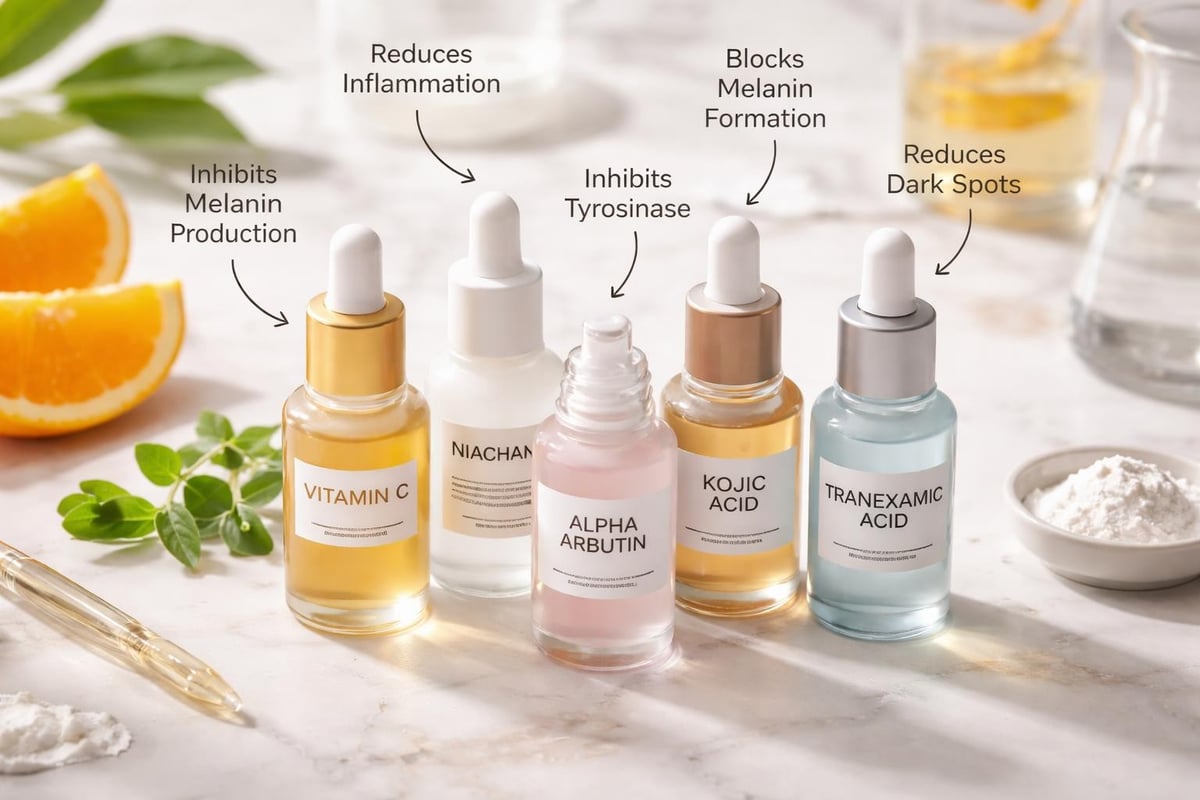
The concentration and combination of these ingredients determine a serum's effectiveness. Professional formulations balance potency with skin compatibility, ensuring results without excessive irritation or sensitivity.
The Topicals Brand Approach to Brightening
The brand Topicals has distinguished itself in the competitive brightening serum market through inclusive formulation and transparent ingredient communication. Their flagship Faded serum specifically targets dark spots and discoloration with a blend of evidence-based actives that address multiple pigmentation pathways simultaneously.
According to a detailed review by NBC News, the formulation combines niacinamide, tranexamic acid, and kojic acid to deliver visible results within weeks of consistent use. This multi-faceted approach resonates with consumers seeking comprehensive solutions rather than single-ingredient products.
Clinical Performance and User Experiences
Research-backed ingredients form the foundation of effective brightening treatments. The topicals brightening serum category has evolved beyond simple vitamin C formulations to include sophisticated combinations that address various skin concerns simultaneously.
| Ingredient | Primary Function | Visible Results Timeline |
|---|---|---|
| Niacinamide 5-10% | Reduces melanin transfer | 4-8 weeks |
| Tranexamic Acid 2-5% | Inhibits plasmin pathways | 6-12 weeks |
| Alpha Arbutin 2% | Gradual pigmentation fading | 8-12 weeks |
| Kojic Acid 1-4% | Tyrosinase inhibition | 4-6 weeks |
| Vitamin C 10-20% | Antioxidant brightening | 6-10 weeks |
These timelines reflect consistent daily application on clean skin. Results accelerate when paired with proper sun protection and complementary skincare products that support skin barrier health.
Application Techniques for Maximum Efficacy
The benefits of any topicals brightening serum depend significantly on proper application methods and routine integration. Strategic layering and timing optimize ingredient absorption and effectiveness.
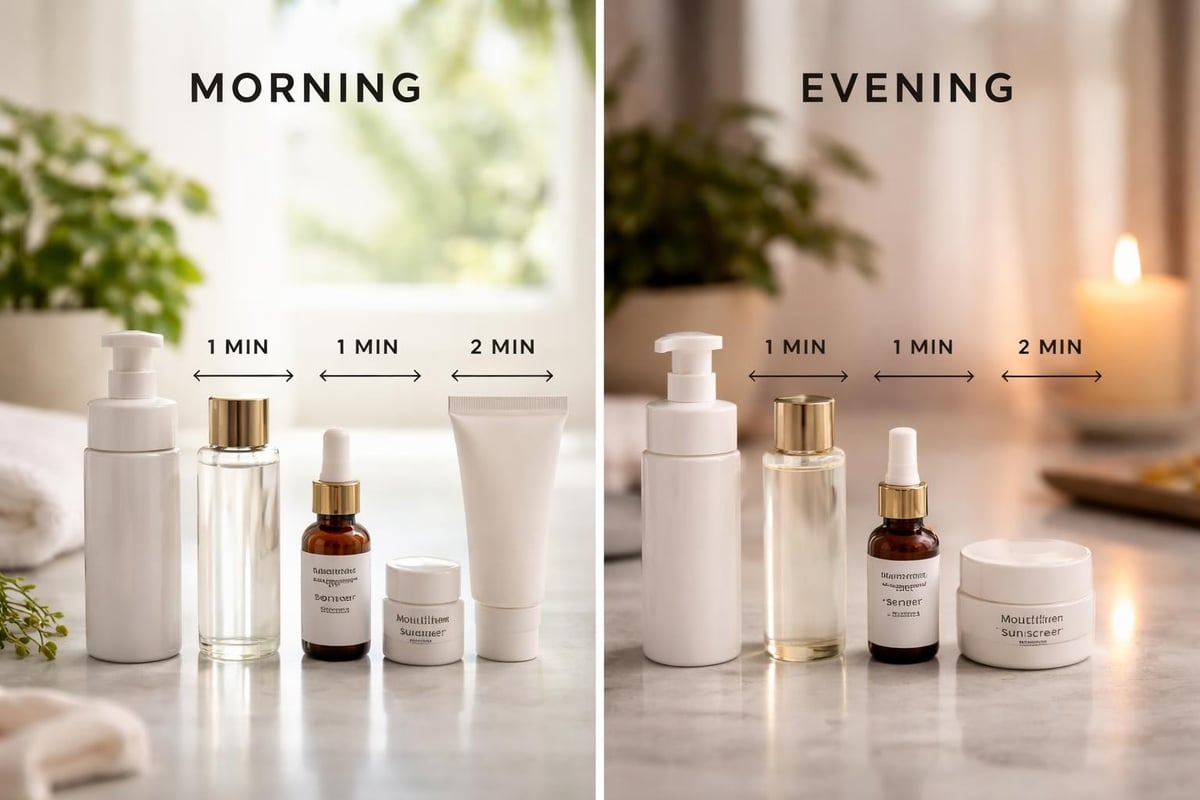
Morning Application Protocol:
- Cleanse skin thoroughly to remove overnight buildup
- Apply toner to balance pH and prepare skin
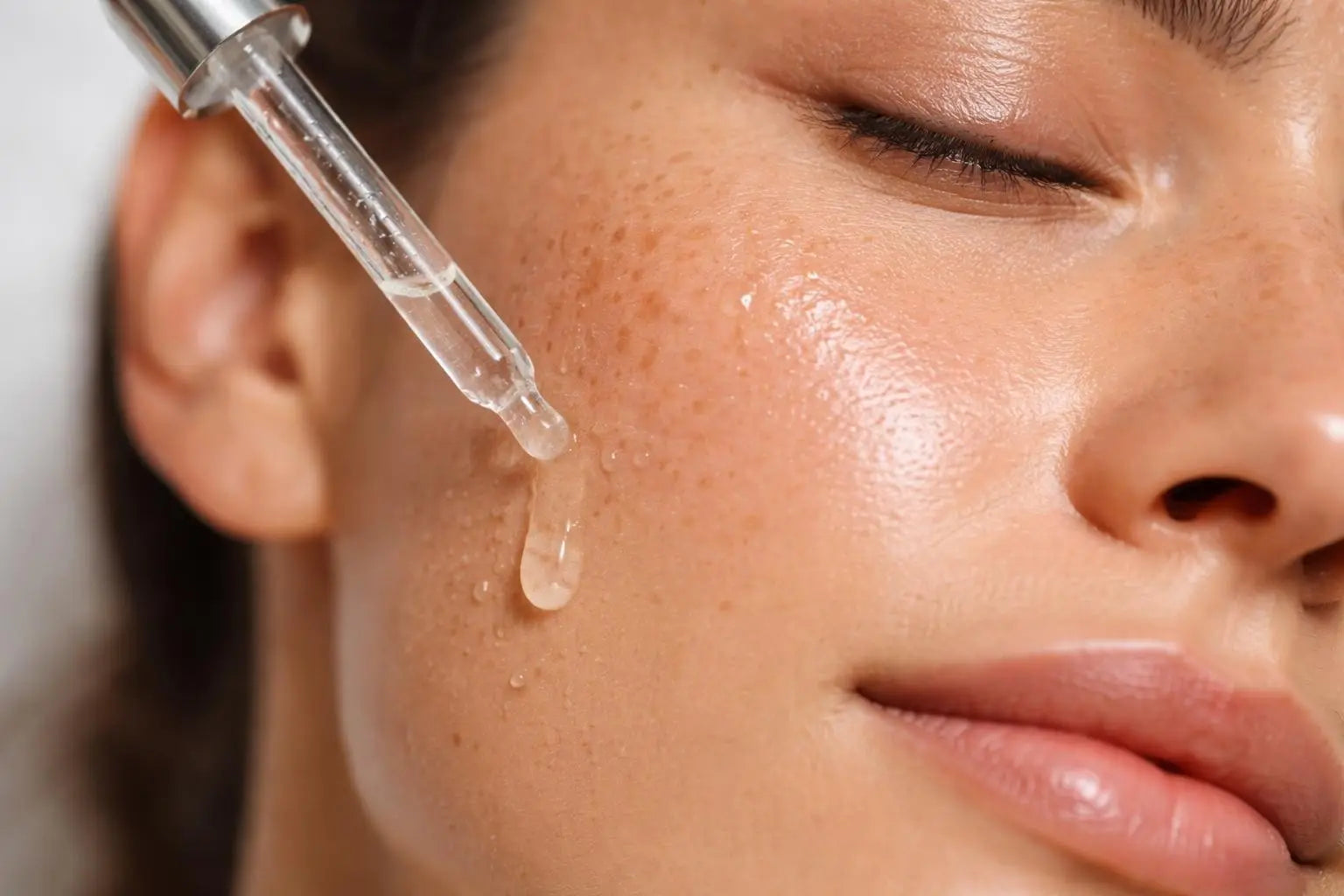
- Dispense 2-3 drops of brightening serum onto fingertips
- Pat gently onto affected areas, then spread across entire face
- Wait 60 seconds for absorption before applying moisturizer
- Finish with broad-spectrum SPF 30 or higher
Evening Application Protocol:
- Double cleanse to remove makeup, sunscreen, and pollutants
- Apply any treatment acids or retinoids first
- Wait 10 minutes for pH-dependent actives to work
- Apply brightening serum as the next treatment layer
- Seal with nighttime moisturizer appropriate for your skin type
- Use targeted treatments on persistent dark spots
The skin absorbs active ingredients most effectively on slightly damp skin, making post-cleanse application ideal. However, certain ingredients like vitamin C perform better on completely dry skin to maintain stability and prevent irritation.
Pairing Brightening Serums with Complementary Treatments
Creating a comprehensive brightening routine extends beyond a single serum application. Strategic product combinations amplify results while maintaining skin health and resilience.
Synergistic Product Combinations
Expert dermatologists recommend pairing brightening serums with products that support overall skin function. Gentle exfoliants remove dead skin cells that can make pigmentation appear more pronounced, while hydrating treatments ensure the skin barrier remains intact during active ingredient use.
- Chemical Exfoliants: AHAs and BHAs once or twice weekly to enhance cellular turnover
- Peptide Serums: Support collagen production for improved texture and tone
- Ceramide Moisturizers: Maintain barrier integrity during active treatment periods
- Antioxidant Boosters: Vitamin E, ferulic acid, and resveratrol enhance brightening effects
Those exploring luxury moisturizer options should seek formulations with barrier-supporting ingredients like ceramides, cholesterol, and fatty acids. These components work harmoniously with brightening actives to prevent the dryness and sensitivity sometimes associated with intensive treatment regimens.
Addressing Different Types of Hyperpigmentation
Not all dark spots respond identically to brightening treatments. Understanding the underlying cause of pigmentation helps select the most effective topicals brightening serum formulation and set realistic expectations for results.
Post-Inflammatory Hyperpigmentation
This common concern results from acne, cuts, burns, or any skin trauma that triggers inflammation. The marks range from pink to brown depending on skin tone and appear after the initial wound heals. PIH responds well to niacinamide-based brightening serums combined with gentle exfoliation.
Melasma and Hormonal Pigmentation
These stubborn patches appear symmetrically on the cheeks, forehead, and upper lip due to hormonal fluctuations, sun exposure, or genetic predisposition. Melasma requires the most persistent treatment approach, often benefiting from tranexamic acid and kojic acid combinations found in advanced formulations.
Sun-Induced Age Spots
Years of UV exposure create localized areas of increased melanin production, commonly called age spots or solar lentigines. Vitamin C and alpha arbutin prove particularly effective for these concerns when combined with diligent sun protection.
| Pigmentation Type | Best Active Ingredients | Expected Timeline | Prevention Strategy |
|---|---|---|---|
| Post-Inflammatory | Niacinamide, Licorice Root | 8-12 weeks | Avoid picking blemishes |
| Melasma | Tranexamic Acid, Kojic Acid | 12-24 weeks | Broad-spectrum SPF daily |
| Age Spots | Vitamin C, Alpha Arbutin | 10-16 weeks | Sun protection, antioxidants |
| Freckles | Gentle brightening actives | Lighten but may return | SPF, protective clothing |
For those seeking comprehensive guidance on targeting specific skin concerns, resources like Who What Wear's brightening serum guide offer editor-tested recommendations across various price points and formulation approaches.
Ingredient Stability and Formulation Quality
The effectiveness of any topicals brightening serum depends not just on which ingredients it contains, but how those ingredients are formulated, stabilized, and preserved. Sophisticated chemistry ensures active components remain potent from manufacturing through the last drop.
Critical Formulation Factors:
Vitamin C, particularly L-ascorbic acid, oxidizes rapidly when exposed to light, air, or water. Premium formulations use airless pump packaging, opaque containers, and stabilizing ingredients like ferulic acid and vitamin E to maintain potency. Discoloration from clear to yellow or brown indicates oxidation and reduced effectiveness.
Niacinamide performs optimally at pH levels between 5-7, making it compatible with most skincare products. However, combining it with high concentrations of pure vitamin C (L-ascorbic acid) in acidic formulations may cause temporary flushing in sensitive individuals.
pH-dependent actives like kojic acid and tranexamic acid require specific formulation environments to penetrate effectively. Manufacturers must balance ingredient efficacy with skin compatibility, often incorporating buffering agents and penetration enhancers.
Professional vs. Consumer-Grade Brightening Serums
The brightening serum landscape spans a wide spectrum from professional-strength treatments available through dermatologists to consumer-friendly formulations available at beauty retailers. Understanding these distinctions helps set appropriate expectations and choose suitable products.
Professional-grade serums typically feature higher concentrations of active ingredients, sometimes requiring medical supervision due to increased potency and potential side effects. These formulations accelerate results but demand more careful application and monitoring.
Consumer-grade topicals brightening serum products balance effectiveness with accessibility, formulating at concentrations suitable for at-home use without medical guidance. While results may develop more gradually, these products minimize irritation risk and integrate seamlessly into existing routines.
Evaluating Product Claims and Marketing
The beauty industry's brightening segment includes products making varying claims about speed and magnitude of results. Critical evaluation separates evidence-based formulations from marketing hype:
- Before/After Photos: Look for consistent lighting, distance, and angles; professional photography can manipulate appearance
- Clinical Studies: Legitimate research involves control groups, statistical analysis, and peer review
- Ingredient Concentrations: Effective percentages matter more than simply including popular ingredients
- Timeline Claims: Instant brightening usually indicates light-reflecting pigments rather than actual pigmentation reduction
- User Reviews: Aggregate experiences across skin types and concerns provide realistic expectations
Resources like Marie Claire's brightening serum recommendations offer expert-vetted options with transparent information about formulation approaches and expected outcomes.
Seasonal Considerations for Brightening Treatments
Strategic timing of intensive brightening protocols maximizes results while minimizing risks associated with photosensitivity and increased sun exposure. Many dermatologists recommend initiating topicals brightening serum treatments during autumn and winter months when UV exposure naturally decreases.
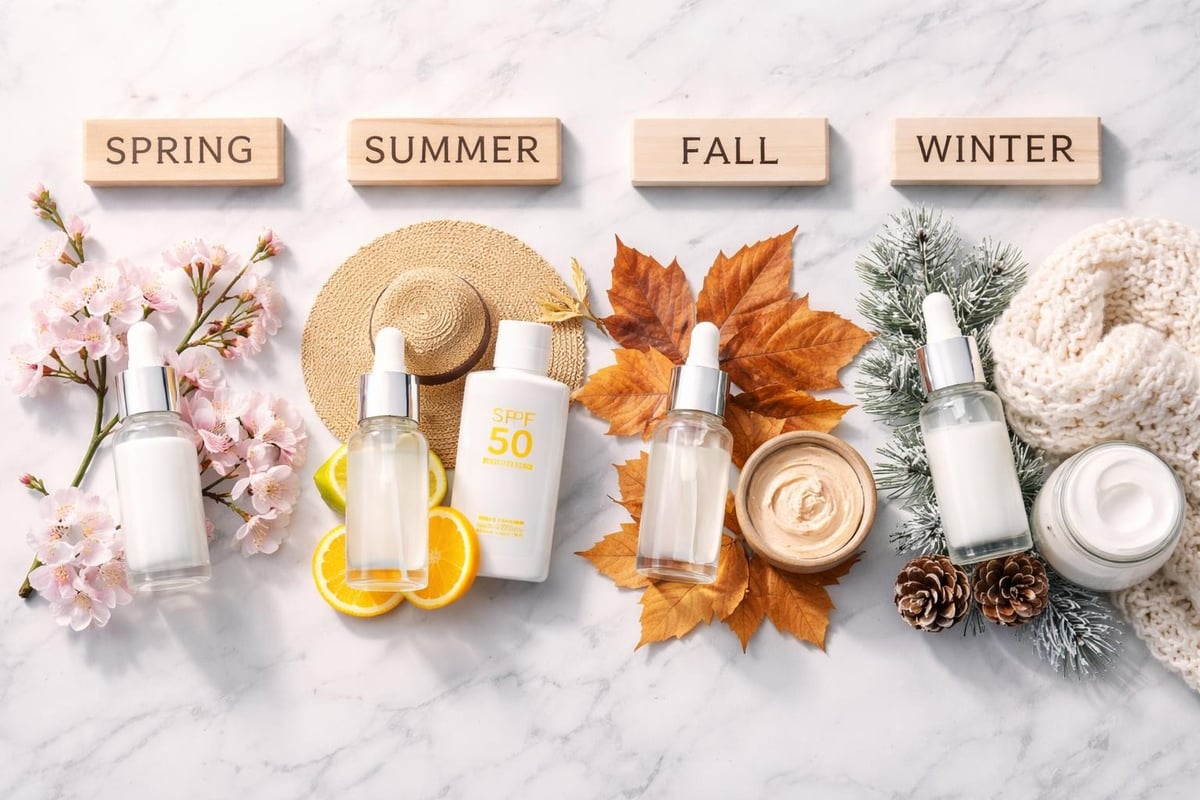
Summer Brightening Protocol
Warm months demand extra caution when using active brightening ingredients. Higher UV exposure increases pigmentation risk, particularly when skin undergoes active treatment. Summer strategies include:
- Reducing treatment frequency to every other day or three times weekly
- Emphasizing barrier-supporting products to maintain skin resilience
- Doubling down on broad-spectrum SPF with reapplication every two hours
- Incorporating physical sun protection like hats and protective clothing
- Choosing gentler brightening ingredients like niacinamide over stronger acids
Winter Intensification Strategy
Cooler months with reduced sun exposure create optimal conditions for aggressive brightening protocols. This period allows higher concentrations and more frequent application while minimizing photosensitivity concerns. Winter advantages include reduced UV index, less outdoor time, and skin's natural receptivity to intensive treatments.
Combining Brightening Serums with Advanced Treatments
Professional dermatological procedures amplify the effects of at-home topicals brightening serum applications. Strategic combination therapy addresses pigmentation through multiple mechanisms simultaneously, accelerating visible improvements.
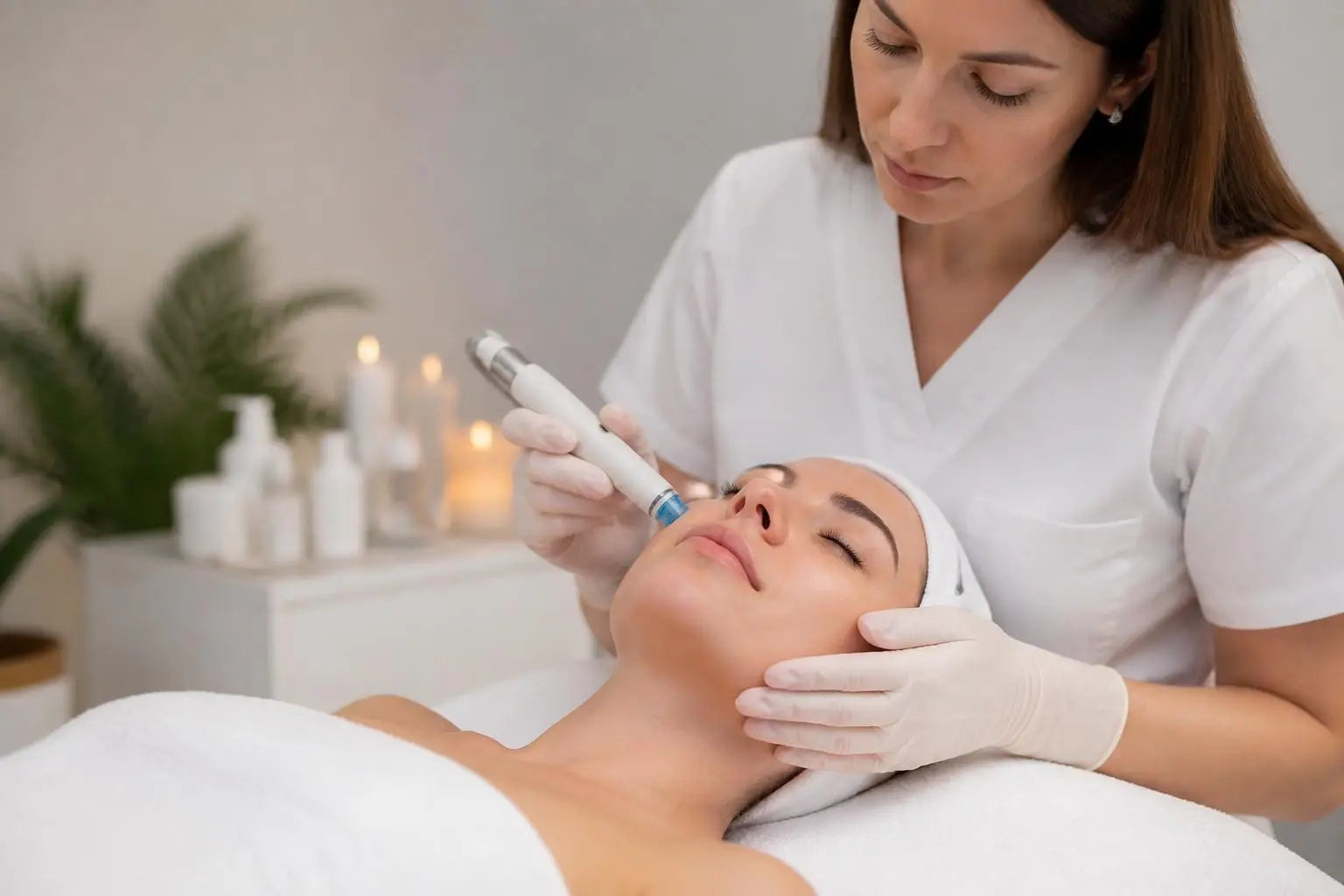
Chemical peels remove superficial pigmentation while allowing better penetration of topical actives. Micro-needling creates temporary channels in the skin, enhancing serum absorption and triggering collagen production for improved texture alongside brightening. Laser treatments target specific pigmentation depths, working synergistically with daily brightening serum application to prevent new dark spot formation.
Professional Treatment Timeline
| Treatment Type | Frequency | Recovery Time | Serum Integration |
|---|---|---|---|
| Chemical Peel (Light) | Every 4-6 weeks | 3-5 days | Resume after peeling stops |
| Micro-needling | Every 6-8 weeks | 5-7 days | Wait one week post-treatment |
| Laser Treatment | Every 8-12 weeks | 1-2 weeks | Consult provider for timing |
| Dermaplaning | Every 3-4 weeks | None | Resume immediately |
Professional guidance ensures proper healing between treatments while maintaining brightening serum benefits. The Marie Claire guide on hyperpigmentation solutions explores how medical-grade treatments integrate with daily skincare routines for comprehensive pigmentation management.
Building a Luxury Brightening Routine with Parisian Elegance
The French approach to skincare emphasizes quality over quantity, strategic product selection, and consistent ritual. This philosophy aligns perfectly with topicals brightening serum integration, where targeted treatment products work alongside carefully chosen complementary formulations.
Parisian beauty traditions favor minimal but exceptional products that deliver multiple benefits. Rather than layering numerous brightening products, the focus shifts to one exceptional serum paired with protective, nourishing supporting products that maintain skin health during active treatment periods.
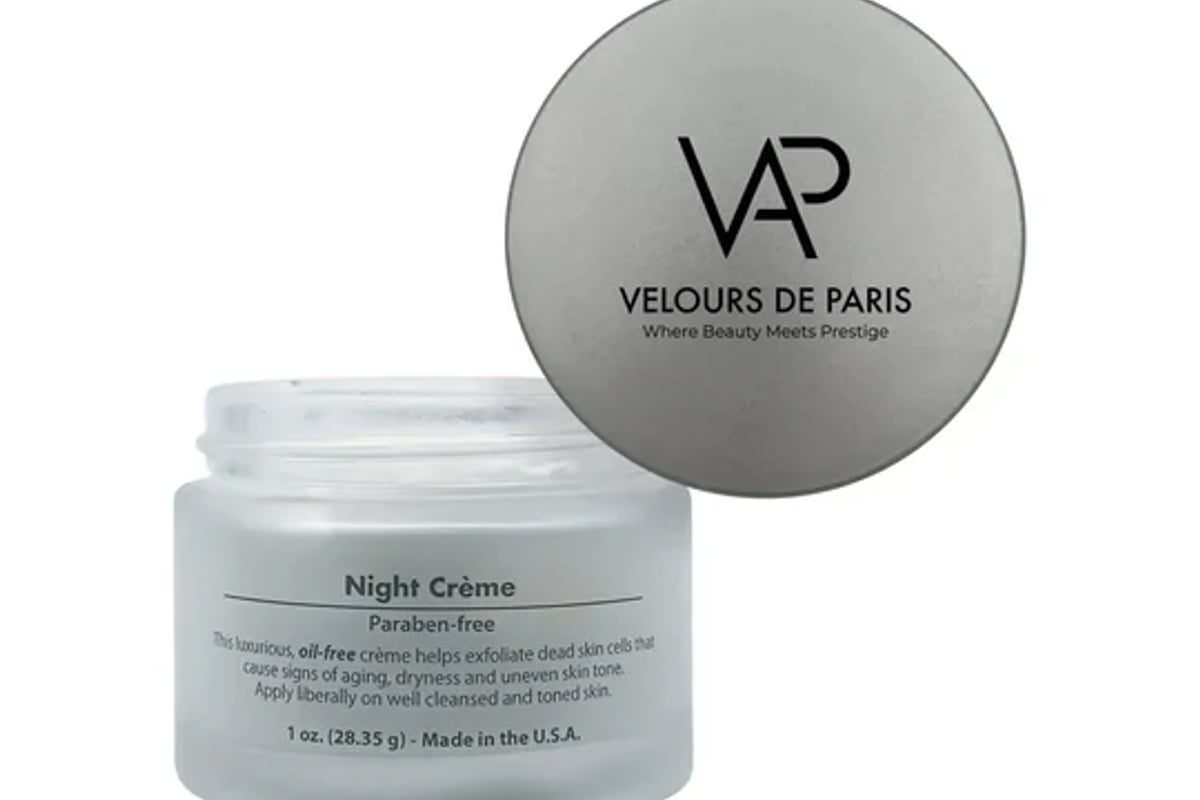
When curating a luxury brightening routine, consider formulations that embody both efficacy and sensorial pleasure. The application ritual becomes as important as the ingredients themselves, transforming daily skincare into a moment of self-care that supports both physical results and emotional wellbeing. For those seeking sophisticated skincare solutions that blend effectiveness with elegance, Velours de Paris offers curated selections designed to enhance natural beauty through refined formulations inspired by timeless French sophistication.
Essential Elements of an Elevated Brightening Ritual
- Morning: Gentle cleanser, brightening serum on damp skin, antioxidant moisturizer, broad-spectrum SPF
- Evening: Double cleanse, pH-balancing toner, brightening serum, rich night cream with barrier-supporting lipids
- Weekly: Gentle enzymatic exfoliation to enhance serum penetration and cellular turnover
- Monthly: Professional assessment to track progress and adjust protocol as needed
Monitoring Progress and Adjusting Protocols
Effective brightening treatment requires systematic progress tracking and protocol adjustments based on skin response. Photographing skin in consistent lighting conditions every two weeks reveals changes that gradual daily observation might miss.
Most topicals brightening serum formulations require 8-12 weeks of consistent use before delivering noticeable results. Initial improvements often appear as enhanced overall radiance and skin texture before specific dark spots begin fading. Patience proves essential, as premature product switching prevents accurate efficacy assessment.
Signs Your Serum is Working:
- Improved skin texture and smoothness within 2-3 weeks
- Enhanced overall radiance and glow around week 4
- Gradual fading of dark spot edges starting week 6-8
- Reduced appearance of new post-inflammatory marks
- More even skin tone across the entire face
Red Flags Requiring Protocol Adjustment:
- Persistent redness, burning, or stinging beyond initial adjustment period
- Increased dryness, flaking, or compromised barrier function
- Development of new breakouts or sensitivity reactions
- Darkening of existing pigmentation (indicates sun exposure without protection)
- No visible improvement after 12 weeks of consistent use
When irritation occurs, reduce application frequency rather than abandoning the product entirely. Many users successfully alternate brightening serums with hydrating serums, gradually building tolerance while maintaining progress toward pigmentation reduction goals.
The Role of Sun Protection in Brightening Success
No brightening protocol succeeds without comprehensive sun protection. UV exposure triggers melanin production, directly counteracting every brightening ingredient applied. Daily broad-spectrum SPF 30 minimum proves non-negotiable for anyone using topicals brightening serum formulations.
Modern sunscreen technology has evolved beyond heavy, white-cast formulations to elegant, cosmetically pleasing options suitable for daily wear. Mineral sunscreens containing zinc oxide or titanium dioxide provide physical UV blocking, while chemical filters absorb UV radiation before it penetrates skin. Hybrid formulations combine both approaches for comprehensive protection across UVA and UVB wavelengths.
Advanced Sun Protection Strategies
Beyond basic SPF application, several strategies maximize protection during brightening treatment periods:
Reapplication protocols matter more than initial SPF number. Two ounces (enough to fill a shot glass) applied to the entire body every two hours during sun exposure provides adequate protection. Facial application requires approximately one-fourth teaspoon, though most people apply significantly less, reducing actual protection.
Physical barriers including wide-brimmed hats, UV-protective clothing, and seeking shade during peak UV hours (10 AM to 4 PM) supplement topical sun protection. These measures prove especially critical during summer months or in high-altitude, tropical, or reflective environments.
Antioxidant supplementation through both topical application and dietary intake provides additional photoprotection. Vitamin C, vitamin E, green tea polyphenols, and resveratrol neutralize free radicals generated by UV exposure, reducing oxidative stress that triggers pigmentation.
Ingredient Interactions and Contraindications
Strategic ingredient pairing maximizes brightening results, while certain combinations create irritation, instability, or reduced efficacy. Understanding these relationships prevents common formulation mistakes that compromise skin health.
Compatible Combinations:
- Niacinamide + Most ingredients (highly versatile and stabilizing)
- Vitamin C + Vitamin E + Ferulic Acid (synergistic antioxidant protection)
- Tranexamic Acid + Niacinamide (complementary brightening mechanisms)
- Alpha Arbutin + Kojic Acid (dual tyrosinase inhibition)
Combinations Requiring Caution:
- High-concentration Vitamin C + Niacinamide (may cause temporary flushing in sensitive skin)
- Multiple strong acids simultaneously (increases irritation risk without improving results)
- Retinoids + AHA/BHA + Brightening acids (excessive exfoliation compromises barrier)
- Benzoyl peroxide + Vitamin C (oxidizes and destabilizes ascorbic acid)
When incorporating topicals brightening serum into routines containing prescription treatments like tretinoin or hydroquinone, consult with a dermatologist to establish appropriate timing, concentration, and frequency that prevents over-treatment while maximizing benefits.
Global Perspectives on Brightening and Skin Tone
Cultural context surrounding skin brightening varies significantly across global markets. Western markets primarily focus on addressing pigmentation from sun damage, aging, and post-inflammatory concerns while maintaining natural skin tone. Asian markets historically emphasized overall skin brightening for complexion enhancement, though this perspective continues evolving.
Modern formulations increasingly emphasize "brightening" over "whitening," focusing on radiance, clarity, and even tone rather than actual skin tone alteration. This semantic shift reflects growing awareness of colorism issues and celebration of diverse beauty standards across all skin tones.
Topicals brightening serum products serve consumers across the complete spectrum of skin tones, addressing universal concerns about dark spots, uneven pigmentation, and dullness while respecting individual complexion. The brand's inclusive marketing and formulation approach acknowledges that pigmentation concerns affect people regardless of baseline skin tone.
Achieving luminous, even-toned skin through strategic brightening serum use requires patience, consistency, and informed product selection tailored to individual skin concerns and types. The most effective protocols combine evidence-based active ingredients with comprehensive sun protection and barrier-supporting skincare that maintains skin health throughout the treatment process. Whether you're addressing post-inflammatory marks, sun damage, or overall dullness, discover how Velours de Paris brings Parisian elegance to your skincare ritual with luxury formulations designed to enhance your natural radiance while respecting your skin's unique needs.