Cart
0
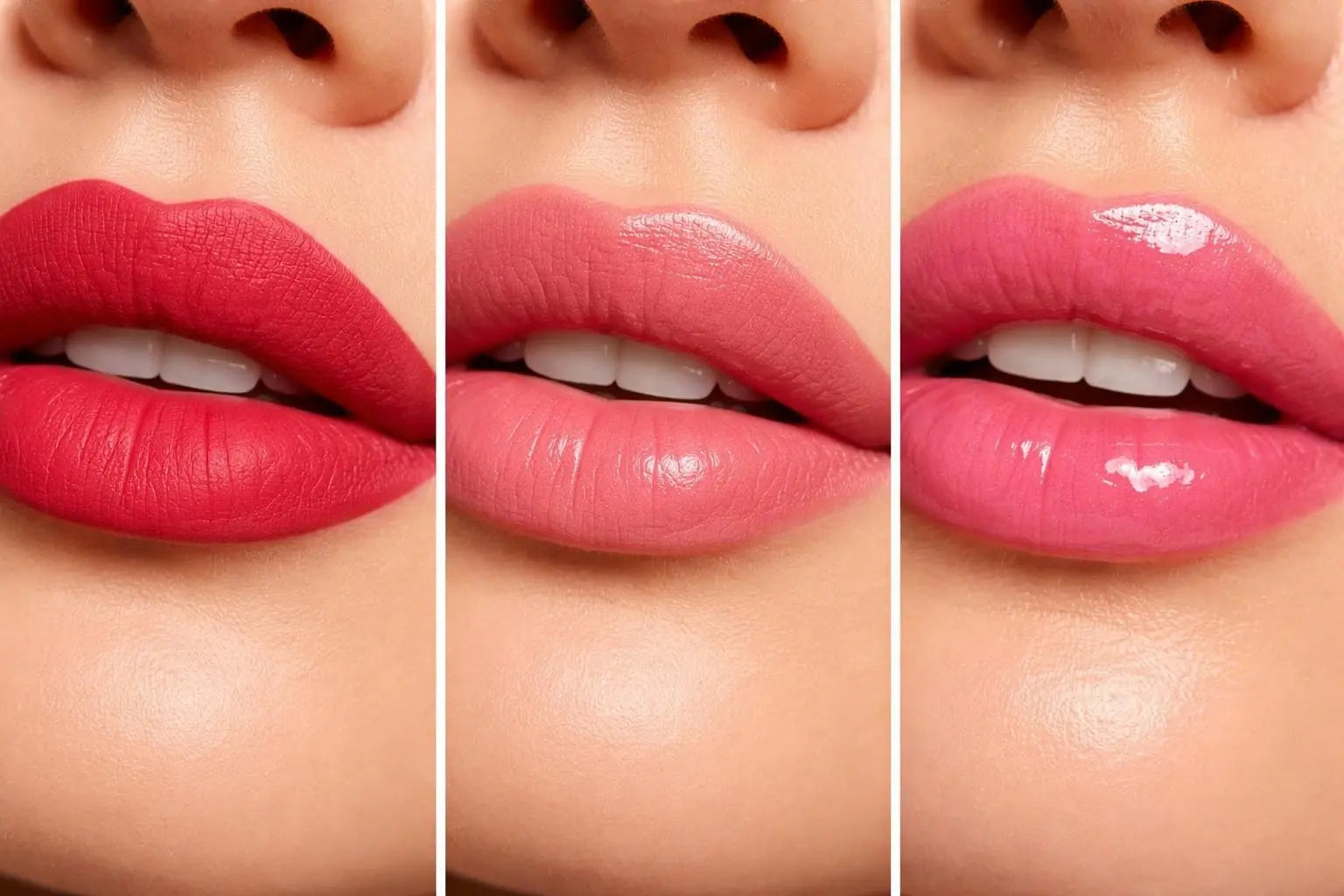
The world of lip color offers endless possibilities for self-expression and elegance. Among the most popular choices, the debate between lip gloss lipstick formulations continues to captivate beauty enthusiasts seeking that perfect balance of color, shine, and comfort. Understanding the nuances between these products empowers you to make informed decisions that complement your personal style and enhance your natural beauty. Whether you prefer the sophisticated sheen of a gloss or the rich pigmentation of a traditional lipstick, each option brings distinct advantages to your beauty routine.
Understanding the Fundamental Differences
Lip gloss and lipstick serve as foundational elements in any comprehensive makeup collection, yet they deliver vastly different results. The composition and texture of these products determine everything from their finish to their longevity on your lips.
Lipstick typically contains a higher concentration of pigments, waxes, and oils that create a more opaque, matte, or satin finish. The formulation adheres firmly to the lips, providing intense color payoff that can last for several hours. This makes lipstick an excellent choice for occasions requiring long-wearing color without constant touch-ups.
Lip gloss, conversely, features a lighter consistency with fewer pigments and more emollients. The result is a sheer, luminous finish that catches light beautifully. The history of lip gloss dates back to 1930 when Max Factor invented it for film actresses, creating that coveted camera-ready shine.
The Hybrid Evolution
The beauty industry has responded to consumer demand by creating innovative hybrid formulations. Lip gloss lipstick products combine the best attributes of both categories, offering pigmented color with a glossy finish. These versatile products deliver more coverage than traditional gloss while maintaining a comfortable, moisturizing feel.
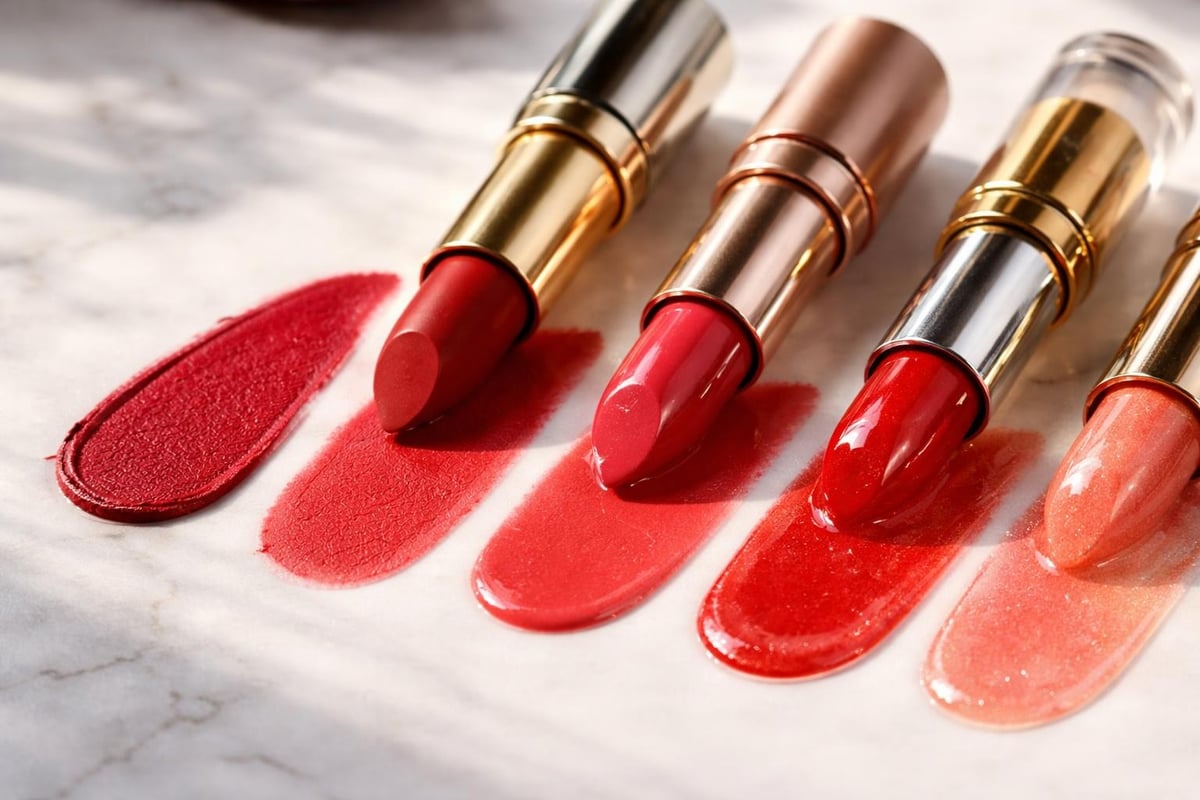
Modern formulations incorporate advanced ingredients like hyaluronic acid, vitamin E, and natural oils. These components provide hydration while ensuring color stays vibrant throughout the day. The result is a product that flatters lips without the drying effects sometimes associated with conventional lipsticks.
Formulation Science and Ingredients
The chemistry behind lip gloss lipstick products reveals why certain formulas perform better than others. Understanding these components helps you select products that align with your preferences and lip care needs.
Key Lipstick Ingredients:
- Waxes (beeswax, carnauba wax) for structure and staying power
- Oils (castor oil, jojoba oil) for smooth application
- Pigments for color intensity
- Emollients for moisture retention
Essential Gloss Components:
- Polymers for shine and adhesion
- Light-reflecting particles for luminosity
- Humectants for hydration
- Minimal pigment concentration
| Feature | Traditional Lipstick | Lip Gloss | Hybrid Formula |
|---|---|---|---|
| Pigmentation | High | Low to Medium | Medium to High |
| Shine Level | Low to Medium | High | High |
| Longevity | 4-8 hours | 2-4 hours | 3-6 hours |
| Hydration | Medium | High | High |
| Coverage | Opaque | Sheer | Semi-opaque |
The formulation differences explain why certain products excel in specific situations. Professional makeup artists often layer products, applying lipstick as a base and topping with gloss for dimensional color.
Texture and Application Experience
Application technique varies significantly between product types. Lipstick typically comes in bullet or crayon form, allowing for precise application and definition. The waxy texture glides smoothly, building coverage with each pass.
Lip gloss arrives in tubes with applicator wands or squeeze tubes, creating a different application experience. The liquid consistency spreads easily but requires more attention to prevent feathering beyond the lip line. Many luxury formulations now include precision applicators that combine the best of both worlds.
Choosing Based on Occasion and Lifestyle
Your daily activities and special events should influence your lip gloss lipstick selection. Different situations call for varying levels of durability, shine, and maintenance.
Professional Settings
Corporate environments often benefit from sophisticated, long-wearing formulas. A quality lipstick in neutral tones provides polished color without frequent reapplication during meetings or presentations. The matte or satin finish maintains professionalism while adding refinement to your appearance.
For those preferring a softer approach, sheer lip gloss lipstick formulas offer subtle enhancement. These products provide enough color to look intentional without appearing overly dramatic in conservative work environments.
Evening Events and Special Occasions
Formal events invite experimentation with bolder colors and finishes. Rich, saturated lipsticks make striking statements, particularly in classic shades like deep berry or sophisticated red. The high pigmentation photographs beautifully, ensuring you look stunning in every captured moment.
Alternatively, high-shine glosses create glamorous, youthful looks perfect for celebrations. The light-reflecting properties add dimension to lips, creating the illusion of fuller, more voluptuous contours. Layering techniques allow you to customize intensity and shine levels.
Casual Daily Wear
Everyday beauty routines benefit from low-maintenance products. Modern lip gloss formulations offer improved wear time without sacrificing comfort. These products integrate seamlessly into busy schedules, requiring minimal attention throughout the day.
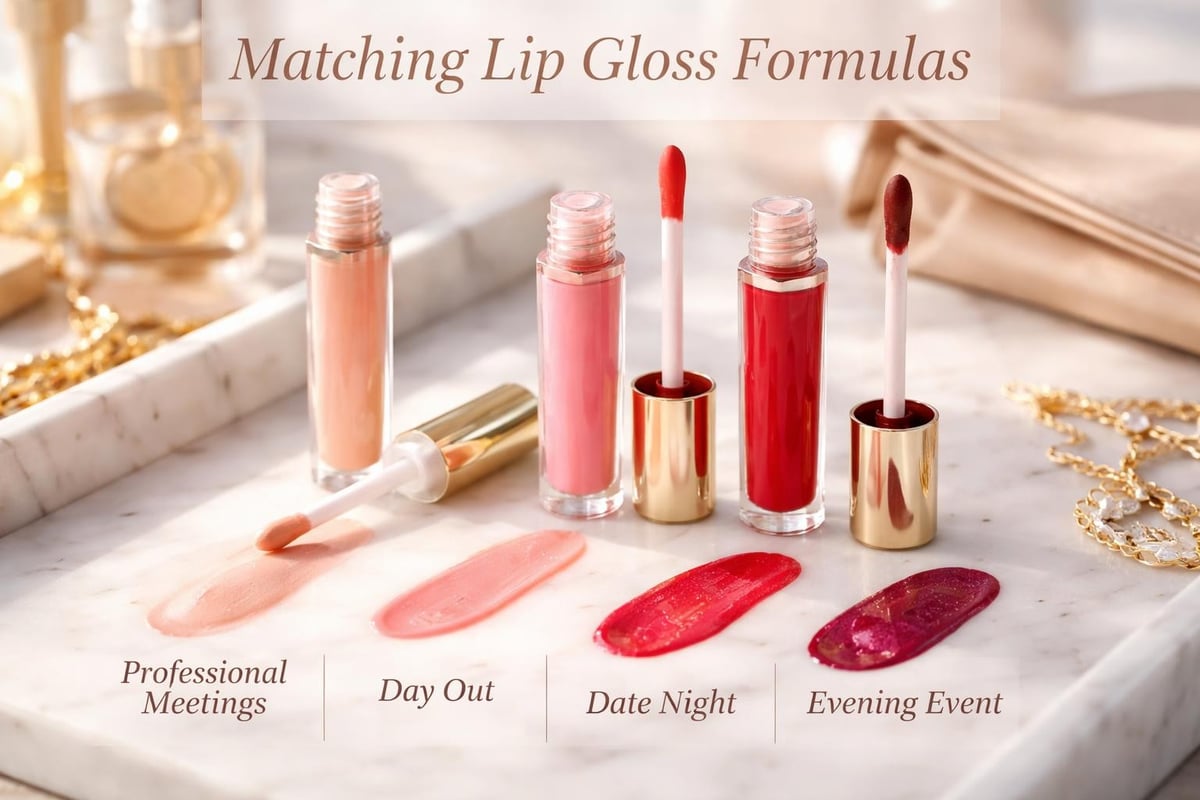
The resurgence of lip gloss in recent years reflects changing beauty preferences. Consumers increasingly value natural-looking finishes that enhance rather than mask their features. This shift has inspired brands to develop sophisticated formulas that deliver both aesthetics and functionality.
Application Techniques for Optimal Results
Mastering application methods ensures your lip gloss lipstick performs at its best. Professional techniques elevate results, creating polished looks that last.
Step-by-Step Lipstick Application:
- Exfoliate lips gently to remove dry skin and create a smooth canvas
- Apply a nourishing lip balm and allow it to absorb fully
- Line lips with a coordinating lip liner for definition and longevity
- Apply lipstick directly from the bullet or use a brush for precision
- Blot with tissue and reapply for intensified color
- Set with translucent powder for extended wear (optional)
Perfecting Gloss Application:
- Start with clean, moisturized lips for best adhesion
- Apply from the center outward to prevent excess product buildup
- Use the applicator tip to define the cupid's bow
- Press lips together gently to distribute product evenly
- Add extra shine to the center of the lower lip for dimension
Layering for Custom Finishes
Professional makeup artists frequently combine products to achieve unique effects. A burgundy lip created through layering techniques offers depth impossible with single products alone. Start with a lipstick base in your desired shade, then add gloss strategically to the center of lips for a gradient effect.
This dimensional approach creates interest while maintaining wearability. The technique works particularly well for photoshoots and special events where you want your lips to stand out without appearing flat or one-dimensional.
Maintaining Lip Health While Wearing Color
Beautiful lips require proper care beyond product selection. The best lip gloss lipstick in the world cannot compensate for neglected lip health. Incorporating dedicated lip care into your routine ensures optimal results every time you apply color.
Hydration forms the foundation of healthy lips. Drinking adequate water throughout the day supports skin health from within, while topical treatments provide external nourishment. Look for products containing beneficial ingredients that repair and protect the delicate lip tissue.
Nighttime represents the ideal opportunity for intensive lip treatment. While you sleep, restorative ingredients work to heal damage from environmental stressors, color products, and daily wear. This proactive approach prevents the dryness and flaking that can interfere with smooth color application.
Ingredient Considerations for Sensitive Lips
Those with reactive skin should scrutinize ingredient lists carefully. Common irritants include artificial fragrances, certain preservatives, and synthetic dyes. Natural, plant-based formulations often provide safer alternatives without sacrificing performance or aesthetics.
The collection of lip products at Velours de Paris emphasizes quality ingredients that pamper while beautifying. These thoughtfully formulated products reflect the Parisian philosophy of enhancing natural beauty rather than concealing it.
Color Selection and Skin Tone Harmony
Choosing flattering shades transforms your entire appearance. Understanding undertones helps you select lip gloss lipstick colors that complement your natural coloring rather than compete with it.
Cool Undertones: Blue, pink, or purple undertones in your skin pair beautifully with berry shades, true reds, and mauve tones. These colors create harmony with your natural coloring, enhancing your complexion.
Warm Undertones: Golden, peachy, or yellow undertones shine with coral, orange-based reds, and warm browns. These shades add warmth and vitality to your overall look.
Neutral Undertones: The fortunate few with balanced undertones can wear virtually any shade successfully. Experiment freely with both warm and cool tones to discover your favorites.
| Skin Tone | Recommended Shades | Shades to Approach Carefully |
|---|---|---|
| Fair | Soft pinks, peach, light coral, berry | Very dark browns, extremely bright orange |
| Light-Medium | Rose, mauve, warm red, nude | Neon brights, pale frosty pinks |
| Medium | Brick red, berry, plum, caramel | Very light nudes, extremely dark shades |
| Medium-Deep | Deep berry, wine, chocolate, terracotta | Pale pinks, very light nudes |
| Deep | Rich burgundy, deep plum, mahogany, vibrant red | Extremely light or pale shades |
Seasonal Color Adjustments
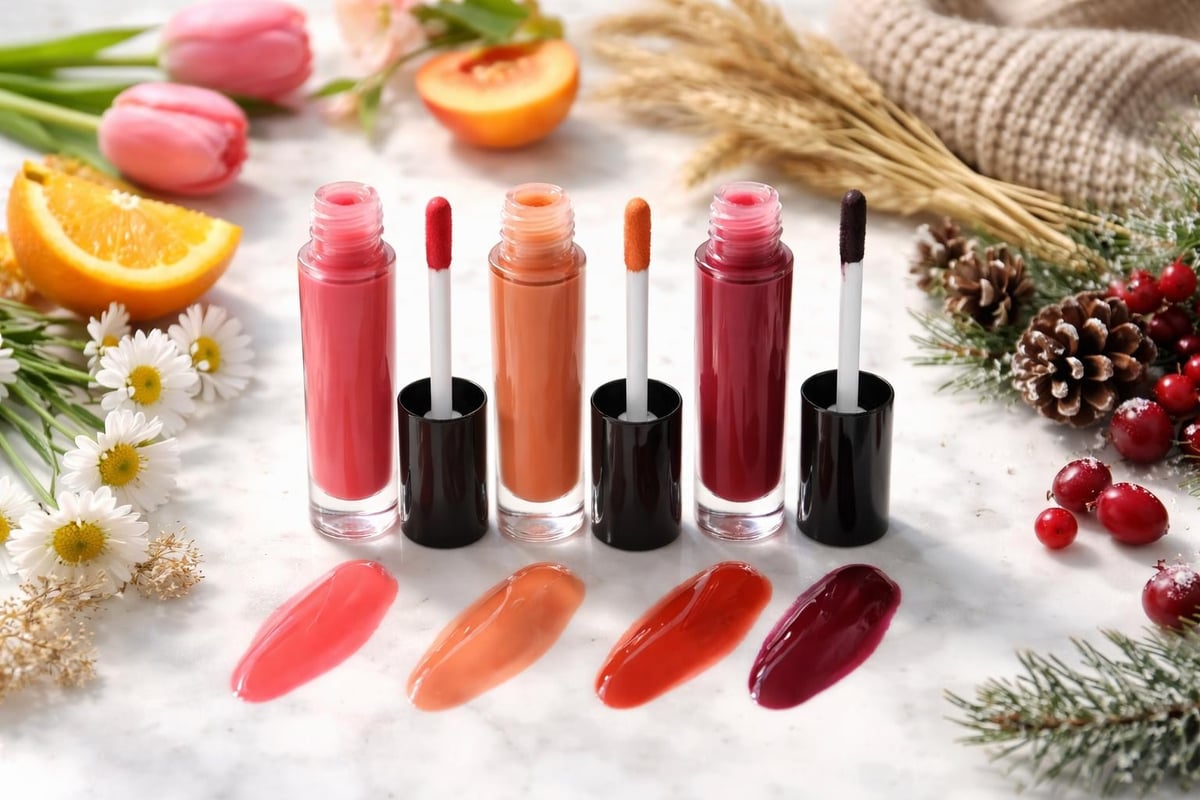
Fashion and beauty preferences shift with the seasons. Spring and summer typically call for lighter, brighter shades that reflect the cheerful energy of warmer months. Coral, pink, and peachy tones dominate this period, creating fresh, vibrant looks.
Fall and winter invite richer, deeper colors. Burgundy, plum, and classic red shades align with the sophisticated mood of colder seasons. These intense colors pair beautifully with cozy sweaters and elegant coats, completing your seasonal aesthetic.
Longevity and Touch-Up Strategies
Even the finest formulations require occasional maintenance. Understanding wear patterns helps you plan appropriate touch-up schedules and select products suited to your lifestyle demands.
Traditional lipsticks generally offer superior longevity, particularly in matte or long-wear formulations. These products can last through meals and drinks with minimal fading, though they may require moisturizing balm application to prevent dryness.
Glosses require more frequent reapplication, typically every two to three hours. Eating and drinking accelerate wear, necessitating touch-ups after meals. However, modern gloss formulations have improved significantly, offering better staying power than vintage versions.
Extending Wear Time:
- Prime lips with balm before color application
- Use lip liner across entire lip surface as a base
- Apply color in thin layers, building gradually
- Blot between applications to set pigment
- Carry products for quick touch-ups
Strategic Product Selection
Your schedule should inform product choices. Days filled with meetings and meals call for long-wearing lipsticks that maintain appearance despite challenges. Leisure days permit experimentation with glossier formulas that prioritize comfort and aesthetic appeal over marathon wear time.
Consider investing in both categories to address varying needs. This strategic approach ensures you always have the right product for any situation, from board presentations to weekend brunches.
The Environmental Impact of Lip Products
Conscious consumers increasingly consider sustainability when purchasing beauty products. The lip gloss lipstick industry has responded with eco-friendly innovations that reduce environmental harm while maintaining performance standards.
Packaging represents a significant concern. Traditional plastic tubes and compacts contribute to landfill waste, particularly when products aren't fully depleted before disposal. Forward-thinking brands now offer refillable options, recyclable containers, and biodegradable packaging materials.
Ingredient sourcing also matters. Sustainably harvested natural ingredients, ethical mica sourcing for shimmer, and cruelty-free testing practices align with values many consumers hold dear. Supporting brands that prioritize these considerations creates positive change within the beauty industry.
The commitment to quality extends beyond product performance to encompass environmental responsibility. Luxury brands increasingly recognize that true elegance includes caring for our planet alongside enhancing personal beauty.
Professional Insights and Expert Recommendations
Makeup artists who work with diverse clients daily offer valuable perspectives on lip gloss lipstick selection and application. Their expertise helps navigate the overwhelming array of options available in today's market.
Professional consensus emphasizes the importance of product quality over quantity. A curated collection of well-chosen, high-performing products serves you better than drawers filled with mediocre options. Invest in versatile shades that flatter your coloring and suit multiple occasions.
Texture preferences vary individually. Some people find glosses uncomfortably sticky, while others dislike the dry feeling of certain lipsticks. Testing products before committing to full-size purchases prevents disappointment and waste. Many luxury retailers offer samples or return policies that facilitate experimentation.
Building Your Core Collection
A well-rounded lip collection includes products for various needs and preferences. Start with these essentials, then expand based on personal style and requirements:
- One nude shade matching your natural lip color
- One classic red appropriate for your undertones
- One everyday pink or berry tone
- One deeper shade for evening or special occasions
- One clear or lightly tinted gloss for natural looks
This foundation addresses most situations while remaining manageable. As you discover preferences, add complementary shades that express your evolving style.
Troubleshooting Common Issues
Even with quality products and proper technique, challenges occasionally arise. Understanding solutions to common problems ensures consistently beautiful results.
Feathering and Bleeding: Color migrating beyond lip lines creates an untidy appearance. Combat this by using lip liner around the entire lip perimeter, choosing slightly drier formulas, and avoiding overly emollient products that encourage spreading.
Dryness and Flaking: Dehydrated lips don't hold color smoothly. Address this through consistent hydration, gentle exfoliation, and choosing formulas with moisturizing ingredients. Apply nourishing balm before bed and first thing in the morning.
Color Transfer: Lip gloss lipstick transferring to cups, clothing, and other surfaces frustrates many users. While some transfer is inevitable with glossier formulas, setting techniques minimize this issue. Blotting, powder setting, and choosing long-wear formulations all help.
Uneven Application: Patchy color results from inadequate lip prep or poor application technique. Ensure lips are smooth and slightly moisturized before applying color. Use light, even pressure and build coverage gradually rather than applying thick layers immediately.
Emerging Trends and Innovation
The beauty industry continues evolving, introducing exciting developments in lip color technology. Staying informed about innovations helps you access products that deliver enhanced performance and novel benefits.
Plumping formulas that use gentle ingredients to create fuller-looking lips have gained tremendous popularity. These products combine color with volumizing effects, eliminating the need for separate treatments. The tingling sensation indicates active ingredients working to boost circulation and temporary fullness.
Color-changing formulas that adapt to your pH level create customized shades unique to each wearer. This technology ensures flattering results regardless of your natural coloring, though the final shade remains somewhat unpredictable.
Treatment-focused products blur the lines between skincare and color cosmetics. Lipsticks and glosses now incorporate serious skincare ingredients like peptides, retinol, and advanced antioxidants. These multitasking products beautify while actively improving lip health over time.
The Influence of Social Media
Digital platforms dramatically impact beauty trends and product development. Viral shades can sell out within hours of influencer endorsements, while underperforming products face swift criticism. This immediate feedback loop drives brands toward constant innovation and improvement.
User-generated content provides authentic reviews and application demonstrations. Watching real people use products in everyday situations offers more realistic expectations than professional marketing materials. This transparency benefits consumers while challenging brands to deliver genuine quality.
Selecting between lip gloss and lipstick ultimately depends on your personal preferences, lifestyle demands, and desired aesthetic. Both product categories offer unique advantages, and many beauty enthusiasts enjoy incorporating both into their routines for maximum versatility. Velours de Paris brings Parisian elegance to your beauty collection with luxury formulations that enhance your natural beauty while providing the sophisticated finishes you desire.