Cart
0
Finding effective skincare treatments can feel overwhelming with countless products promising transformative results. When it comes to face masks, dermatologists emphasize choosing formulations backed by science and tailored to your specific skin concerns. The best face masks dermatologist recommended combine proven ingredients with luxury formulations that deliver visible results. Whether you're addressing dryness, acne, aging, or dullness, understanding which masks earn professional endorsement helps you invest in products that genuinely enhance your complexion while complementing your existing skincare routine.
Understanding Dermatologist-Recommended Face Mask Categories
Professional skincare experts categorize face masks based on their primary function and formulation. This classification helps consumers match products to their unique skin needs.
Hydrating and Moisturizing Masks
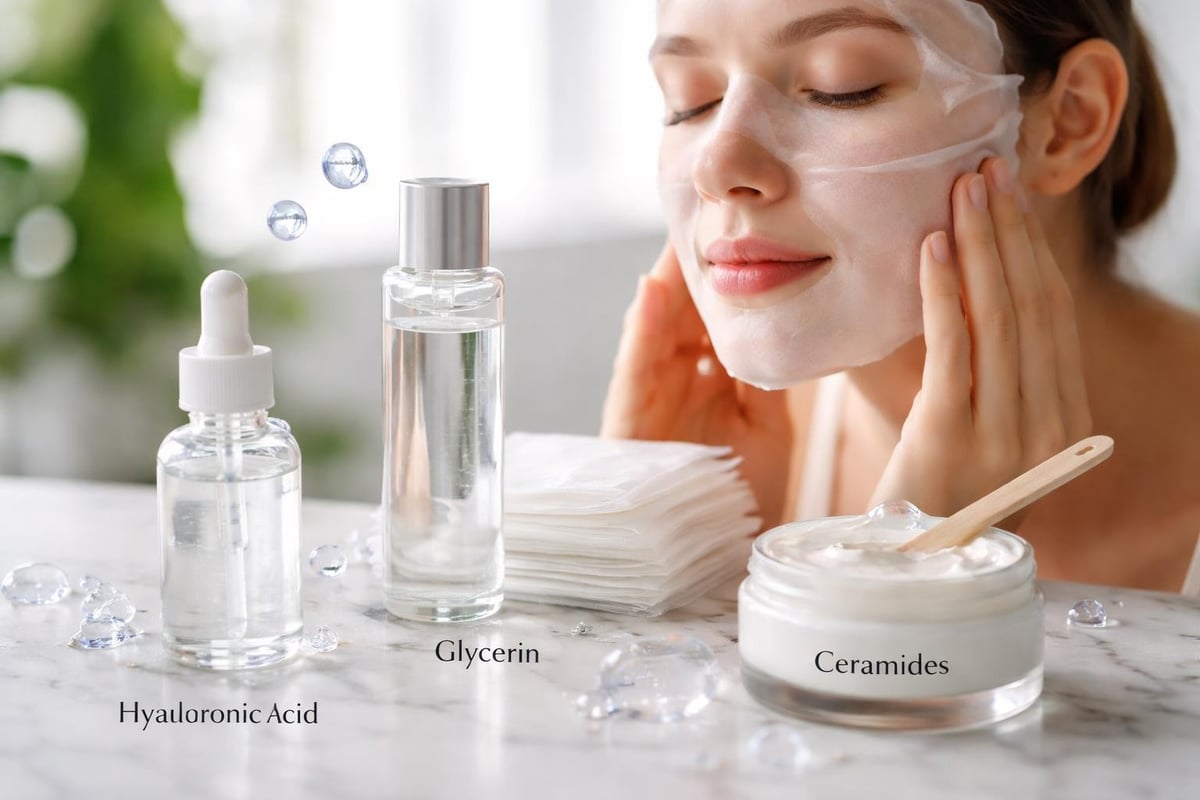
Dermatologists frequently recommend hydrating masks for patients experiencing dryness, dehydration, or compromised skin barriers. These formulations typically feature humectants like hyaluronic acid, glycerin, and ceramides that attract and retain moisture.
Key benefits include:
- Immediate plumping and smoothing of fine lines
- Enhanced skin barrier function
- Improved product absorption for subsequent treatments
- Soothing relief for irritated or sensitized skin
The best face masks dermatologist recommended for hydration often incorporate multiple molecular weights of hyaluronic acid to penetrate different skin layers. According to dermatologist-approved options, combining these ingredients with nourishing oils creates comprehensive moisture support that lasts beyond the treatment itself.
Clay and Detoxifying Formulations
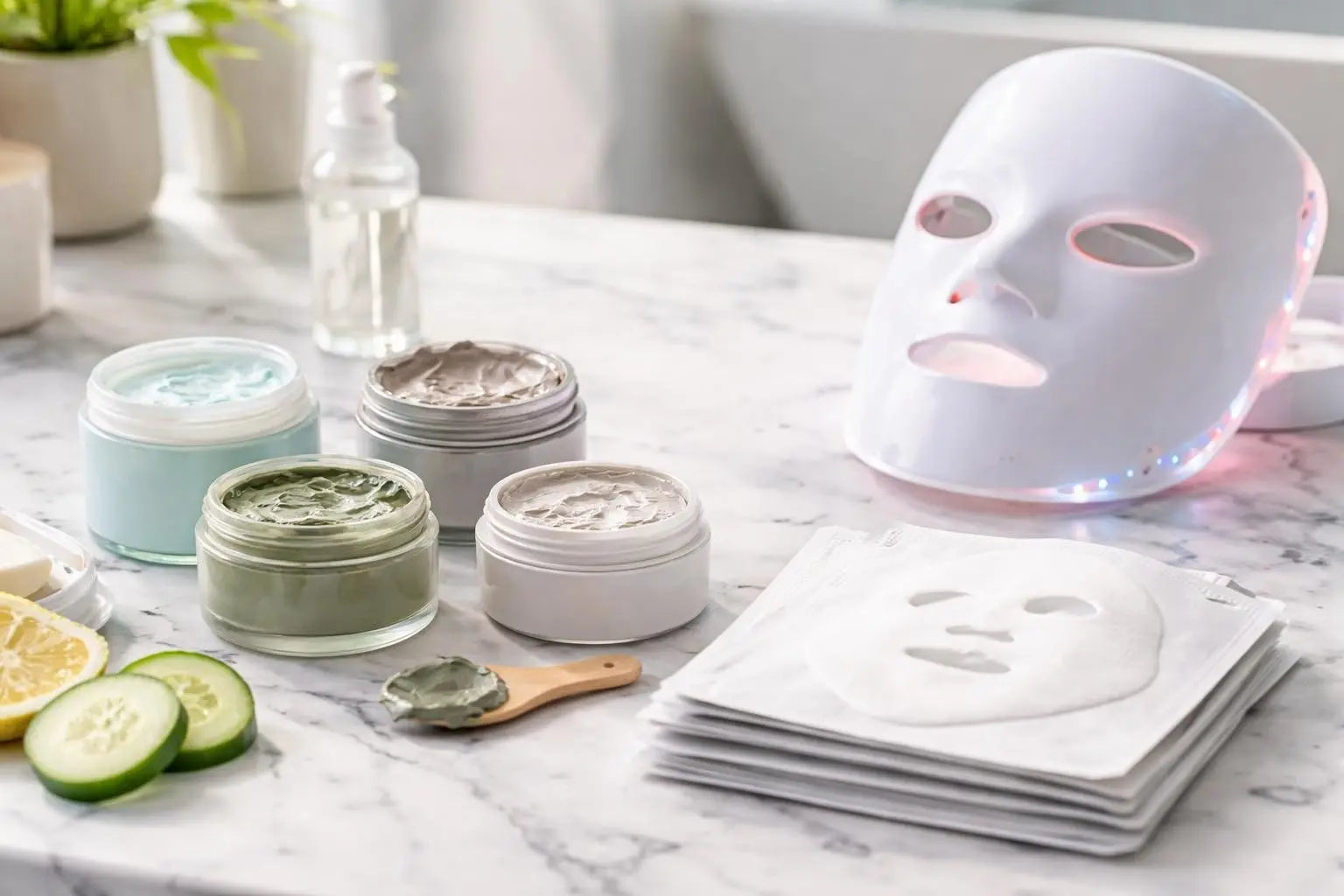
Clay masks remain a dermatologist favorite for managing oily skin, enlarged pores, and occasional breakouts. Kaolin, bentonite, and French green clay absorb excess sebum without stripping essential moisture.
Professional recommendations emphasize using clay masks strategically rather than daily. Clay mask formulations tested by dermatologists demonstrate that twice-weekly application optimizes results while preventing over-drying.
| Clay Type | Best For | Key Benefit |
|---|---|---|
| Kaolin | Sensitive skin | Gentle purification |
| Bentonite | Oily/combination | Deep pore cleansing |
| French Green | Acne-prone | Oil absorption and detox |
| Rhassoul | All types | Mineral-rich refinement |
Those seeking luxury moisturizers to follow clay treatments should look for oil-free formulations that maintain the clarifying benefits without clogging pores.
Sheet Masks and Essence Delivery Systems
Sheet masks provide an occlusive barrier that forces active ingredients deeper into skin. Dermatologists appreciate their convenience and the variety of targeted formulations available.
The best sheet masks feature bio-cellulose or hydrogel materials that conform closely to facial contours, maximizing ingredient penetration. These single-use treatments excel at delivering concentrated serums for specific concerns like brightening, firming, or calming inflammation.
Active Ingredients Dermatologists Trust
Beyond mask formats, skincare professionals focus on ingredient efficacy when making recommendations. The best face masks dermatologist recommended contain clinically proven actives at meaningful concentrations.
Vitamin C for Brightening and Protection
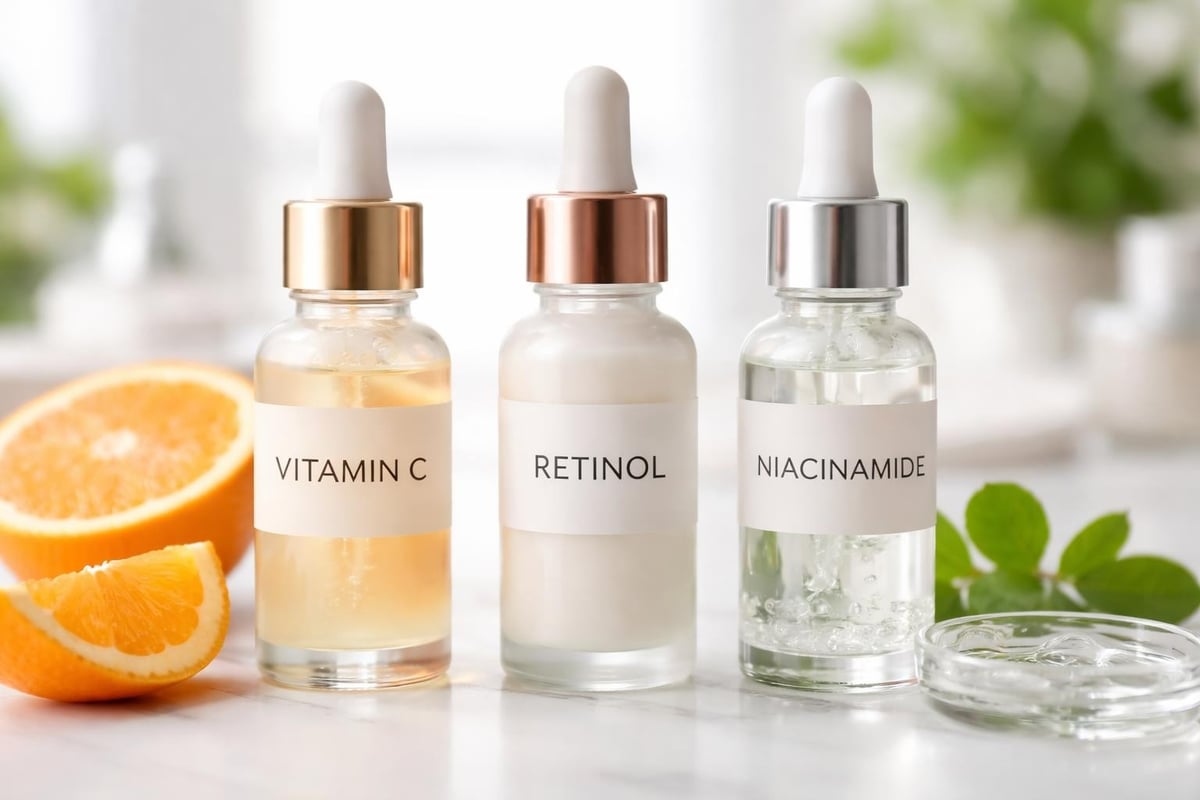
L-ascorbic acid and its stable derivatives address hyperpigmentation, environmental damage, and dull complexion. Dermatologists recommend vitamin C masks for patients seeking more radiant, even-toned skin.
When selecting vitamin C treatments, concentration matters. Professional-grade formulations typically contain 10-20% vitamin C, though masks may use lower percentages combined with enhancing ingredients. Pairing these treatments with vitamin C lotions creates a comprehensive brightening protocol.
Retinol and Retinoid Alternatives
While prescription retinoids remain the gold standard for anti-aging, over-the-counter retinol masks offer accessible benefits. Dermatologists suggest overnight retinol masks for patients building tolerance or seeking maintenance between professional treatments.
Important considerations:
- Start with lower concentrations (0.25-0.5%)
- Use only at night with proper sun protection the following day
- Avoid combining with other strong actives like AHAs or BHAs
- Expect mild irritation during the adjustment period
Niacinamide for Multi-Functional Benefits
This versatile B vitamin addresses multiple concerns simultaneously, making it a dermatologist favorite for various skin types. Niacinamide masks reduce inflammation, regulate sebum production, minimize pores, and strengthen the skin barrier.
Research supports niacinamide concentrations between 2-10% for optimal results without irritation. The best face masks dermatologist recommended often combine niacinamide with complementary ingredients like zinc, peptides, or ceramides for enhanced benefits.
Matching Masks to Specific Skin Concerns
Dermatologists emphasize personalization when recommending face masks, as one-size-fits-all approaches rarely deliver optimal results.
For Acne-Prone and Oily Skin
Professionals treating acne recommend masks containing salicylic acid, sulfur, or tea tree oil. These ingredients penetrate pores to dissolve debris, reduce bacteria, and control excess oil production.
Recommended routine:
- Cleanse thoroughly with a gentle, pH-balanced cleanser
- Apply clay or sulfur mask to affected areas
- Leave on for 10-15 minutes maximum
- Rinse with lukewarm water
- Follow with oil-free hydration
Dermatologists caution against over-using purifying masks, which can trigger rebound oil production. Two to three times weekly provides sufficient treatment frequency for most patients.
For Dry and Sensitive Skin
The best face masks dermatologist recommended for dry skin prioritize barrier repair and soothing ingredients. Look for formulations with collagen, hyaluronic acid, centella asiatica, and oat extract.
Collagen-focused formulations have gained dermatologist attention for their ability to improve hydration and plumpness. While topical collagen cannot replace the body's natural production, it provides excellent surface hydration and temporary smoothing effects.
Sensitive skin requires particularly gentle formulations free from fragrance, drying alcohols, and harsh preservatives. Dermatologists recommend patch testing new masks on the inner arm before full-face application.
For Aging and Sun-Damaged Skin
Anti-aging masks combine multiple mechanisms: antioxidant protection, collagen stimulation, cellular turnover, and intense hydration. Dermatologists recommend masks featuring peptides, growth factors, vitamin C, and alpha hydroxy acids.
| Ingredient | Primary Action | Best Combined With |
|---|---|---|
| Peptides | Collagen synthesis | Hyaluronic acid |
| Vitamin C | Antioxidant protection | Ferulic acid |
| AHAs | Cellular renewal | Soothing botanicals |
| Growth factors | Skin repair | Barrier lipids |
Professional treatments often incorporate these ingredients at higher concentrations, but at-home masks provide valuable maintenance between dermatologist visits. The Allure-reviewed best face masks include several anti-aging formulations that meet dermatologist standards for efficacy and safety.
Emerging Technologies in Dermatologist-Recommended Masks
Innovation continues reshaping face mask technology, with dermatologists embracing evidence-based advances that enhance treatment outcomes.
LED Light Therapy Masks
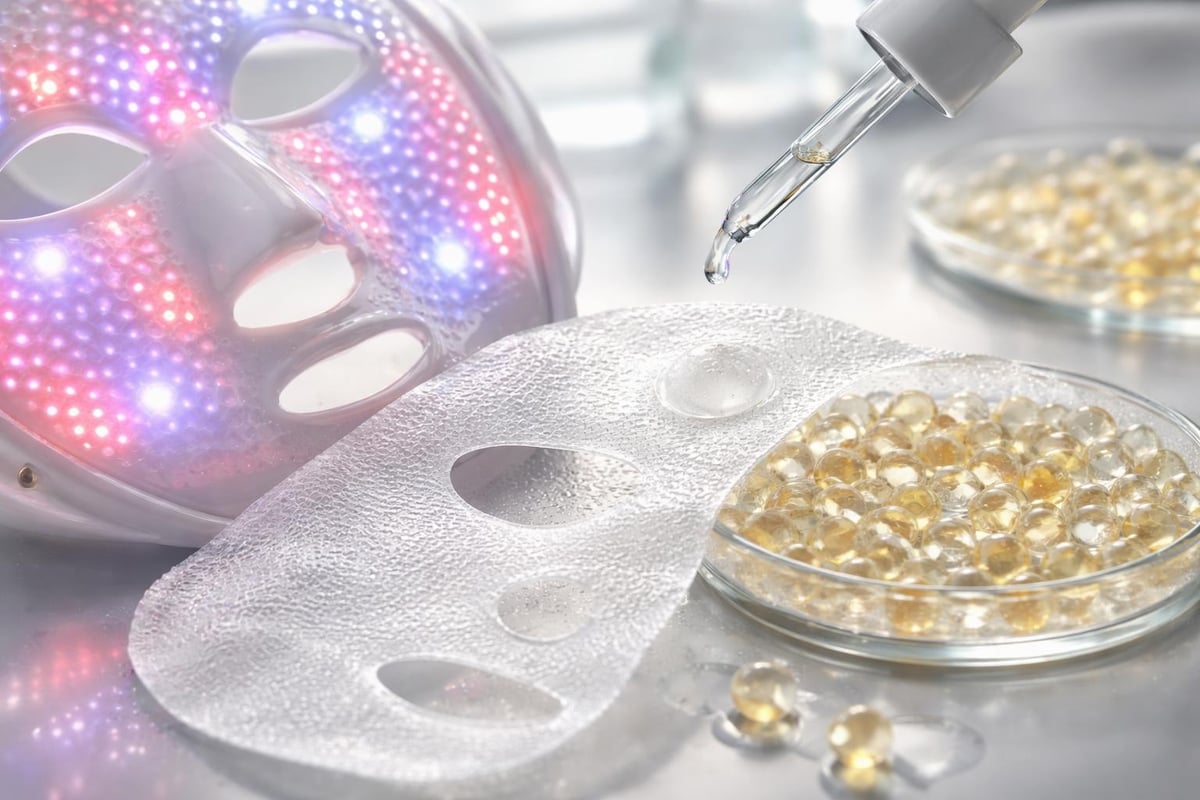
Light-emitting diode masks have transitioned from professional offices to home use, earning dermatologist endorsement for specific wavelengths. Red light (630-660nm) stimulates collagen production and reduces inflammation, while blue light (405-420nm) targets acne-causing bacteria.
The best LED face masks of 2026 feature multiple wavelength options and consistent light output. Dermatologists note that while LED masks are more effective than initially thought, they require consistent use over several months for visible results.
Usage guidelines from dermatologists:
- Use 3-5 times weekly for optimal results
- Each session should last 10-20 minutes
- Cleanse thoroughly before treatment
- Avoid if you're photosensitive or taking certain medications
- Combine with appropriate topical treatments
Biocellulose and Advanced Materials
Next-generation sheet masks utilize biocellulose, a bacterial fermentation product that adheres more closely than traditional cotton or paper materials. This enhanced contact improves ingredient delivery significantly.
Dermatologists appreciate biocellulose masks for post-procedure care, as the material remains moist longer and delivers cooling relief to irritated skin. These premium masks justify their higher price point through superior performance.
Microencapsulation Technology
Sophisticated delivery systems protect sensitive ingredients until application, ensuring maximum potency. Microencapsulated retinol, vitamin C, and peptides maintain stability while minimizing irritation potential.
Professional Application Techniques
Even the best face masks dermatologist recommended deliver suboptimal results without proper application. Skincare professionals share these expert techniques for maximizing benefits.
Preparation and Timing
Clean, slightly damp skin absorbs mask ingredients most effectively. Dermatologists recommend double cleansing before mask application, especially if wearing makeup or sunscreen.
Optimal timing varies by mask type:
- Hydrating masks: 15-20 minutes or overnight for sleeping masks
- Clay masks: 5-10 minutes, remove before completely dry
- Sheet masks: 15-20 minutes maximum
- LED masks: 10-20 minutes per manufacturer specifications
Leaving masks on too long, particularly clay formulations, can actually draw moisture from skin rather than providing benefits. Setting a timer prevents overtreatment.
Layering and Combination Strategies
Dermatologists often recommend multi-masking, applying different formulations to specific facial zones based on varying needs. This targeted approach addresses combination skin concerns simultaneously.
For example, apply a purifying clay mask to the T-zone while using a hydrating mask on drier cheek areas. This customization delivers the best face masks dermatologist recommended benefits without compromise.
After removing masks, dermatologists emphasize the importance of sealing in benefits with appropriate moisturization. Those with luxury skincare preferences should explore soothing moisturizers that complement mask treatments while providing elegant, Parisian-inspired refinement.
Frequency and Consistency
Professional recommendations vary based on mask type and skin condition. General guidelines suggest hydrating masks can be used daily if needed, while exfoliating or purifying masks should be limited to 2-3 times weekly.
Consistency matters more than frequency. Dermatologists observe better results from patients who maintain regular, moderate use rather than intensive sporadic treatments.
Avoiding Common Mistakes
Even informed consumers make errors that diminish face mask effectiveness or cause adverse reactions. Dermatologists identify these frequent missteps.
Over-Exfoliation and Irritation
Combining multiple exfoliating products creates cumulative irritation. If using AHA or BHA masks, dermatologists recommend avoiding other exfoliating treatments the same day and reducing retinoid use temporarily.
Signs of over-exfoliation include:
- Persistent redness or burning sensation
- Increased sensitivity to products previously tolerated
- Flaking or peeling beyond normal cell turnover
- Breakouts in unusual areas
- Tightness that doesn't resolve with moisturizer
Should these symptoms appear, dermatologists advise stopping all active treatments and focusing solely on barrier repair for one to two weeks.
Ignoring Ingredient Interactions
Certain combinations reduce efficacy or increase irritation risk. Vitamin C works poorly with niacinamide at certain pH levels, though modern formulations have addressed this concern. Retinol should never be combined with AHAs, BHAs, or benzoyl peroxide in the same routine.
The affordable face mask options often list ingredients clearly, helping consumers avoid problematic combinations without extensive chemistry knowledge.
Neglecting Patch Testing
Dermatologists universally recommend patch testing new products, especially masks containing high concentrations of active ingredients. Apply a small amount to the inner forearm and wait 24-48 hours before full-face use.
This simple precaution prevents widespread reactions that could require medical intervention or extended recovery periods.
Budget Considerations and Value Assessment
Luxury skincare enthusiasts often wonder whether premium face masks justify their cost compared to accessible alternatives. Dermatologists offer balanced perspective on this common concern.
When to Invest in Premium Formulations
Higher-priced masks may contain superior ingredient quality, higher concentrations of actives, or more sophisticated delivery systems. Dermatologists note that these factors can translate to better results, particularly for anti-aging and corrective treatments.
Premium masks excel when they offer:
- Clinically proven ingredient concentrations
- Patented delivery technologies
- Minimal filler ingredients
- Elegant textures that encourage consistent use
- Comprehensive formulations reducing the need for multiple products
Luxury brands often conduct extensive testing and use higher-grade raw materials, which contributes to both efficacy and sensorial experience. For those who appreciate refined beauty rituals, investing in the best face masks dermatologist recommended from prestige lines enhances both results and enjoyment.
Accessible Alternatives That Deliver Results
Budget-friendly options frequently contain identical active ingredients as luxury counterparts. Dermatologists acknowledge that many drugstore face masks perform comparably to expensive versions when matched for key ingredients and concentrations.
The main differences often involve packaging, fragrance, texture, and brand prestige rather than fundamental efficacy. Informed consumers can achieve excellent results across price points by prioritizing ingredient lists over marketing claims.
Building a Balanced Mask Wardrobe
Rather than committing exclusively to one price tier, dermatologists suggest strategic mixing. Invest in premium formulations for targeted concerns or special treatments, while maintaining accessible options for regular maintenance.
| Purpose | Investment Level | Frequency |
|---|---|---|
| Deep hydration | Mid to premium | 2-3x weekly |
| Basic purification | Budget-friendly | 1-2x weekly |
| Anti-aging treatment | Premium | 2x weekly |
| Soothing/calming | Any tier | As needed |
This approach maximizes both effectiveness and budget efficiency while ensuring consistent mask usage.
Creating a Dermatologist-Approved Mask Routine
Integrating face masks into comprehensive skincare requires strategic planning. Dermatologists recommend these frameworks for optimal results.
Weekly Scheduling Strategies
Distribute mask treatments throughout the week to avoid overwhelming skin while addressing multiple concerns. A sample dermatologist-designed week might include hydrating masks on Monday and Thursday, a clay mask on Wednesday, and a brightening treatment on Saturday.
This spacing allows skin to recover between active treatments while maintaining consistent care. Adjust frequency based on individual tolerance and seasonal changes affecting skin needs.
Seasonal Adjustments
Environmental factors significantly impact skin requirements. Dermatologists recommend modifying mask selection as weather changes.
Spring and Summer: Emphasize lightweight hydration, clay masks for increased oil production, and brightening treatments for sun damage prevention.
Fall and Winter: Focus on intensive moisture, barrier repair formulations, and gentle treatments that counteract harsh weather and indoor heating effects.
Coordinating with Professional Treatments
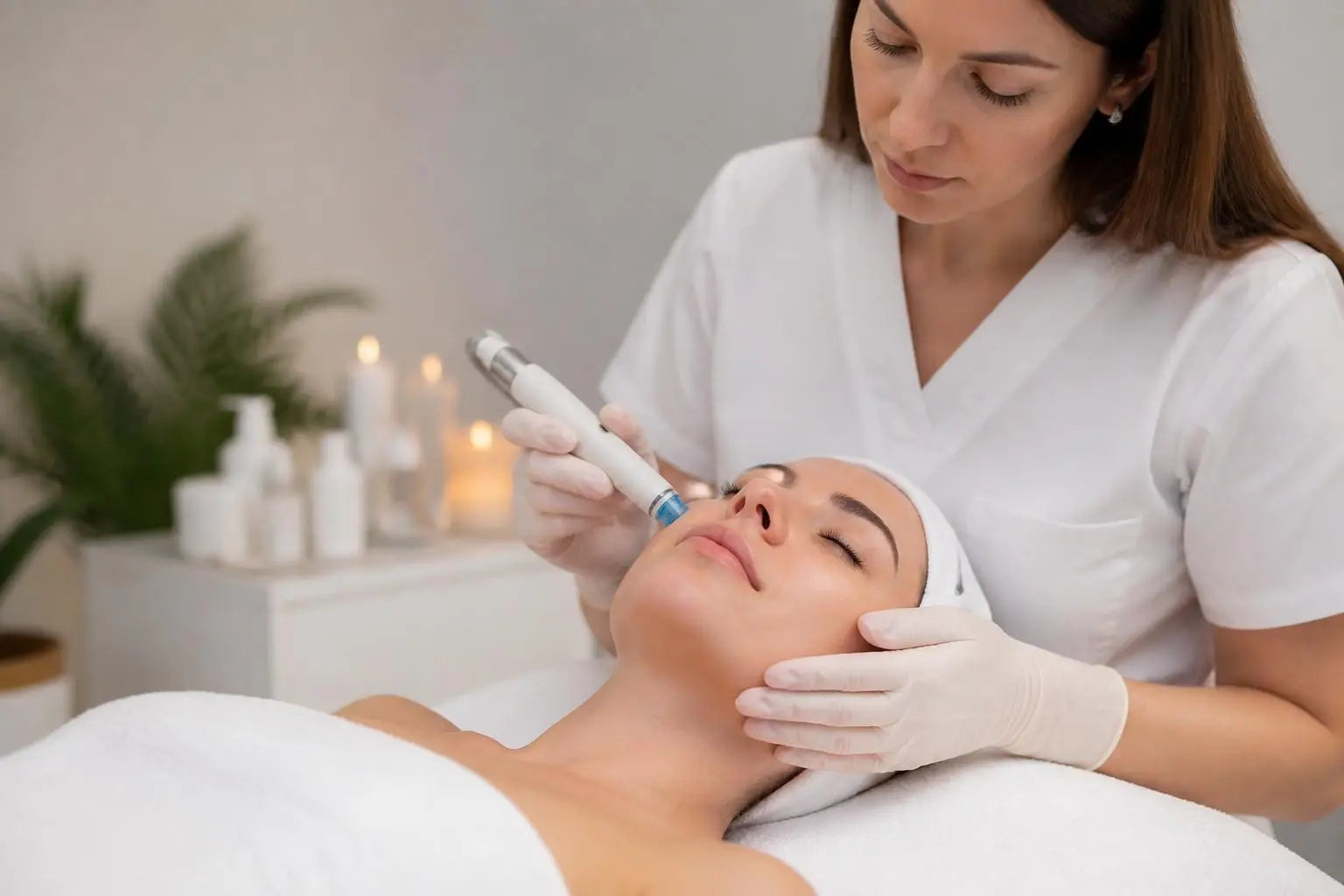
For patients receiving in-office procedures like chemical peels, microneedling, or laser treatments, dermatologists provide specific mask recommendations for home care during recovery periods.
Post-procedure masks prioritize soothing, barrier repair, and anti-inflammatory benefits while avoiding active ingredients that could interfere with healing. Following professional guidance ensures optimal results from both office and home treatments.
Understanding Certification and Safety Standards
Not all face masks undergo the same scrutiny. Dermatologists explain what certifications and testing protocols indicate quality and safety.
Dermatologist-Tested vs. Dermatologist-Recommended
Marketing language can mislead consumers about professional endorsement. "Dermatologist-tested" simply means a dermatologist evaluated the product, but doesn't guarantee approval or positive results. The best face masks dermatologist recommended receive explicit endorsement based on ingredient efficacy and clinical outcomes.
True dermatologist recommendations stem from:
- Published clinical studies demonstrating efficacy
- Consistent patient outcomes in professional practice
- Ingredient quality and appropriate concentrations
- Safety profiles across diverse skin types
- Transparent labeling and realistic claims
Hypoallergenic and Non-Comedogenic Claims
These terms, while unregulated, indicate products formulated to minimize irritation and pore-clogging. Dermatologists value these considerations, particularly for sensitive or acne-prone patients, though testing methods and standards vary between manufacturers.
Reputable brands subject products to repeat insult patch testing (RIPT) and comedogenicity assays, providing data supporting their claims beyond simple assertions.
Clean Beauty and Ingredient Transparency
While "clean beauty" lacks standardized definition, the movement toward ingredient transparency benefits consumers. Dermatologists appreciate brands that clearly list all ingredients, explain their functions, and avoid potentially problematic additives without scientific justification.
However, professionals caution against demonizing synthetic ingredients or assuming natural automatically means safe or effective. Many dermatologist-recommended formulations combine natural and synthetic ingredients for optimal performance and stability.
Long-Term Results and Realistic Expectations
Managing expectations helps patients remain committed to skincare routines despite the gradual nature of visible improvements. Dermatologists emphasize that the best face masks dermatologist recommended produce cumulative rather than instant transformation.
Timeline for Visible Improvements
Different concerns resolve at varying rates. Hydration and immediate plumping appear within hours, while anti-aging benefits, pore refinement, and pigmentation correction require consistent use over weeks to months.
Realistic timelines:
- Immediate hydration and glow: Same day
- Reduced redness and calming: 1-3 days
- Improved texture and smoothness: 2-4 weeks
- Pore size reduction: 4-8 weeks
- Fine line softening: 8-12 weeks
- Hyperpigmentation fading: 12-24 weeks
These estimates assume proper product selection, consistent use, and comprehensive skincare including sun protection and appropriate cleansing and moisturizing.
Documenting Progress
Dermatologists recommend progress photography to track subtle improvements often unnoticed during daily observation. Monthly photos under consistent lighting conditions reveal changes that maintain motivation during treatment.
When to Seek Professional Evaluation
Home treatments, including the best face masks dermatologist recommended, cannot address all skin concerns. Seek professional consultation if experiencing persistent acne, suspicious lesions, significant texture changes, or conditions unresponsive to over-the-counter care.
Dermatologists provide prescription-strength treatments, in-office procedures, and personalized protocols that complement home care for comprehensive skin health management.
Selecting face masks backed by dermatological expertise ensures your skincare investments deliver real results aligned with your specific concerns and skin type. By understanding ingredient efficacy, proper application techniques, and realistic timelines, you can build a luxury skincare routine that truly enhances your complexion. Velours de Paris offers refined skincare solutions inspired by Parisian elegance, providing the sophisticated formulations and prestige quality that complement a dermatologist-approved beauty regimen. Explore their curated collection to discover how luxury ingredients and expert formulation elevate your daily skincare ritual.