Cart
0
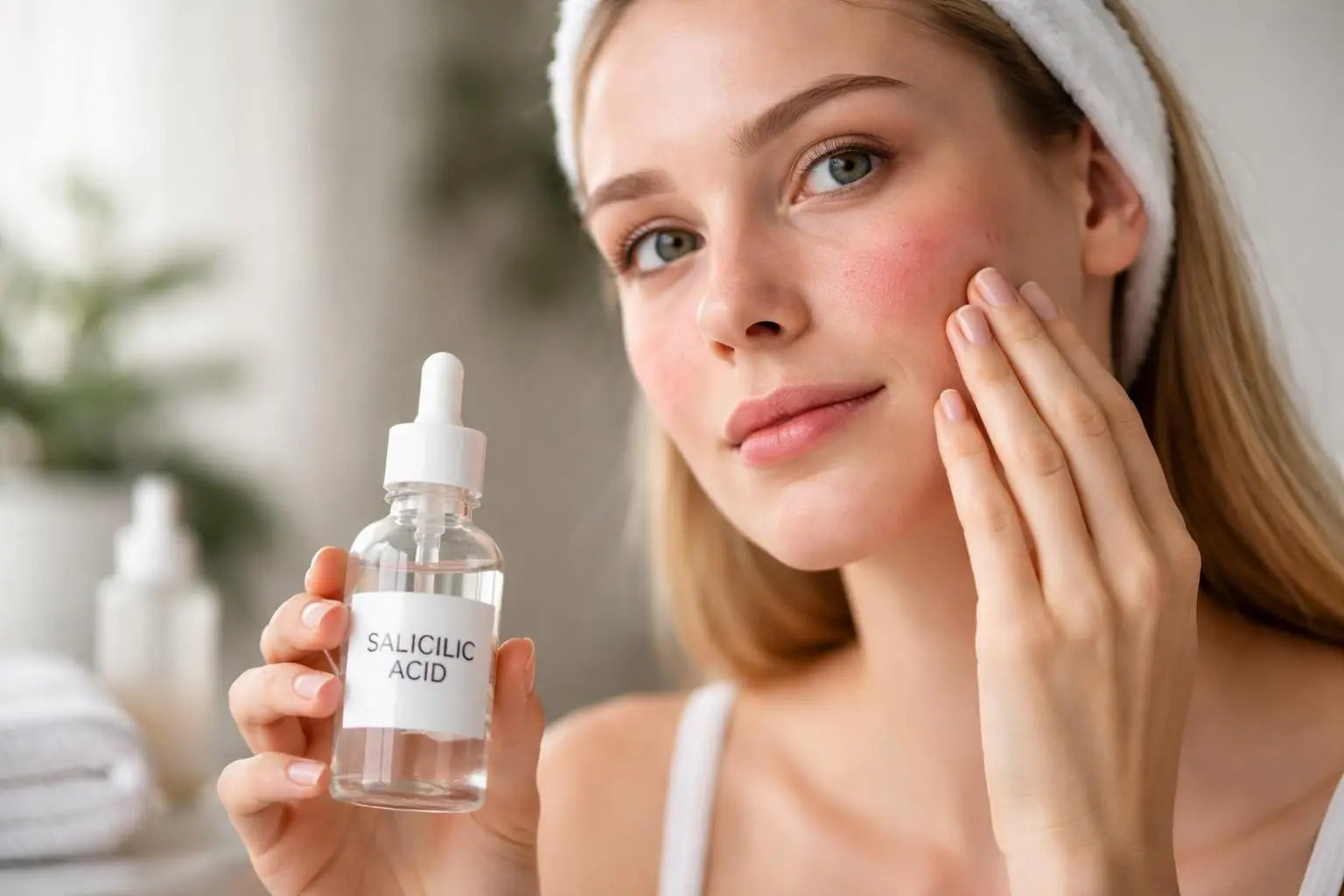
Rosacea presents unique challenges for skincare enthusiasts seeking effective treatments without triggering flare-ups. Among the most debated ingredients in professional dermatology is salicylic acid, a beta-hydroxy acid renowned for its exfoliating properties. Understanding the relationship between salicylic acid rosacea management requires careful consideration of skin sensitivity, concentration levels, and individual tolerance. This comprehensive guide explores whether this popular ingredient belongs in your rosacea-friendly skincare routine and how to make informed decisions for your complexion.
Understanding Salicylic Acid and Its Mechanism
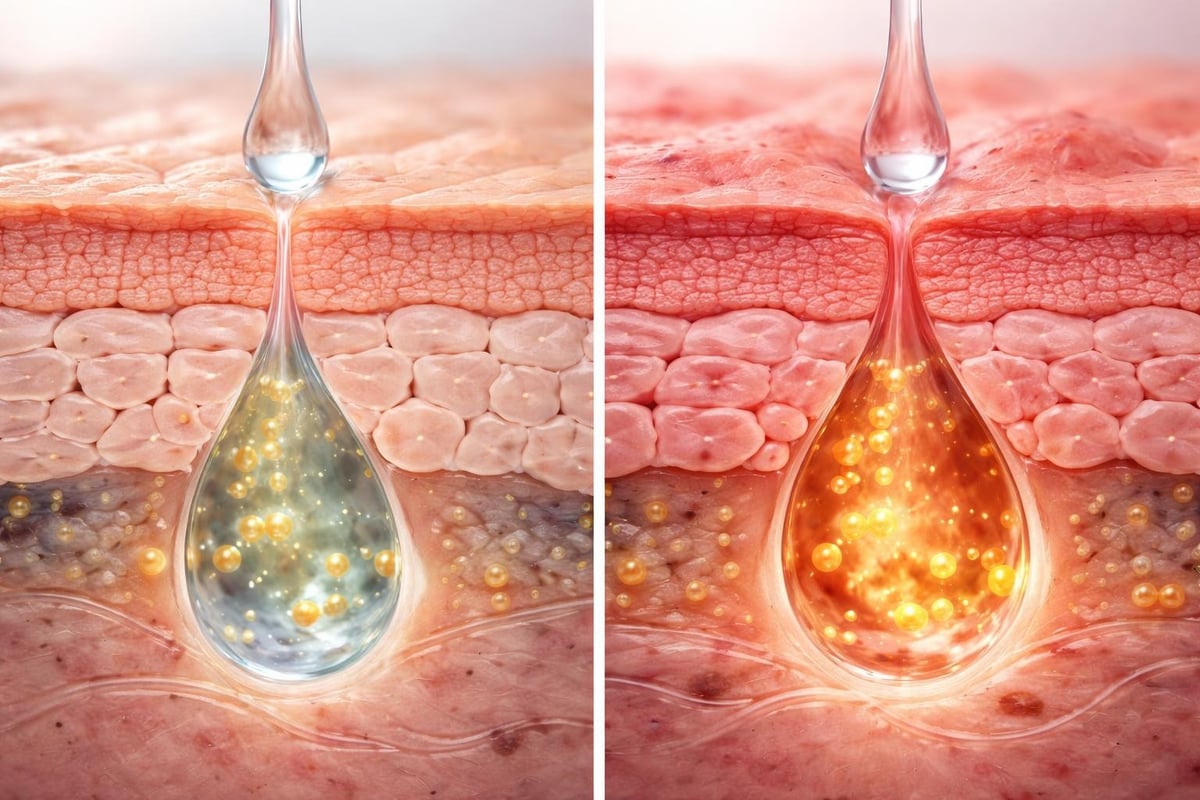
Salicylic acid functions as a keratolytic agent, penetrating deep into pores to dissolve the bonds holding dead skin cells together. This oil-soluble ingredient distinguishes itself from water-soluble alpha-hydroxy acids through its ability to work within sebaceous glands.
The molecular structure allows salicylic acid to reduce inflammation and unclog pores effectively. For typical skin types, concentrations ranging from 0.5% to 2% deliver therapeutic benefits without excessive irritation. Professional treatments may use higher concentrations under controlled conditions.
Chemical Properties and Skin Penetration
Key characteristics of salicylic acid include:
- Lipophilic nature enabling sebum penetration
- Anti-inflammatory properties reducing swelling
- Exfoliation through desmoglein disruption
- pH levels typically between 3.0 and 4.0
The ingredient's ability to penetrate oil makes it particularly effective for acne-prone skin. However, this same property raises concerns for individuals managing salicylic acid rosacea sensitivity. According to research on salicylic acid's effects on rosacea, the exfoliant properties can either help or harm depending on formulation and concentration.
Rosacea Skin Characteristics and Sensitivities
Rosacea manifests as chronic inflammation characterized by facial redness, visible blood vessels, and sometimes papules or pustules. The condition affects approximately 16 million Americans, with varying subtypes requiring different management approaches.
Those managing rosacea typically experience compromised skin barrier function. This vulnerability makes the complexion more susceptible to irritation from active ingredients, temperature changes, and environmental stressors.
Four Primary Rosacea Subtypes
| Subtype | Primary Symptoms | Sensitivity Level | Common Triggers |
|---|---|---|---|
| Erythematotelangiectatic | Flushing, visible vessels | High | Heat, alcohol, spicy foods |
| Papulopustular | Acne-like breakouts, swelling | Moderate to High | Skincare actives, stress |
| Phymatous | Skin thickening, bumpy texture | Moderate | Genetic factors, hormones |
| Ocular | Eye irritation, dryness | Variable | Wind, allergens, cosmetics |
Understanding your specific subtype influences how salicylic acid rosacea interactions might manifest. The National Rosacea Society's guidance on salicylic acid emphasizes individual variation in tolerance levels.
Compromised barrier function in rosacea-affected skin means ingredients penetrate more readily, potentially causing reactions that wouldn't occur in healthy skin. This increased permeability makes concentration and formulation critical factors.
The Salicylic Acid Rosacea Debate
Professional opinions diverge on whether salicylic acid belongs in rosacea skincare protocols. Some dermatologists advocate for low concentrations to address concurrent acne, while others recommend complete avoidance.
Recent clinical studies suggest the answer lies in formulation specifics rather than blanket recommendations. A 2024 study on supramolecular salicylic acid demonstrated promising results for papulopustular rosacea when delivered in specialized formulations designed to minimize irritation.
Potential Benefits for Specific Cases
Salicylic acid may offer advantages when:
- Papulopustular rosacea coincides with acne vulgaris
- Formulations include soothing, barrier-supporting ingredients
- Concentrations remain at or below 0.5%
- Application frequency starts conservatively (once or twice weekly)
- Professional supervision guides usage protocols
The anti-inflammatory properties of salicylic acid can theoretically benefit inflammatory rosacea presentations. However, the exfoliation mechanism simultaneously risks compromising an already weakened barrier.
Risk Factors and Contraindications
Most skincare professionals exercise caution when considering salicylic acid rosacea applications. The primary concerns center on exacerbating inflammation and disrupting barrier integrity.
Common adverse reactions include:
- Increased facial redness and burning sensations
- Enhanced sensitivity to environmental factors
- Prolonged healing time for existing lesions
- Stinging upon application
- Dryness and flaking beyond therapeutic levels
Those with erythematotelangiectatic rosacea face the highest risk of adverse reactions. The compromised vessel structure and heightened sensitivity make chemical exfoliants particularly problematic. Resources like Healthline's comprehensive rosacea skincare guide typically recommend avoiding salicylic acid for this subtype.
Professional Treatment Approaches
Dermatologists occasionally employ salicylic acid peels for specific rosacea cases, particularly when acne coexists. These controlled applications use neutralization protocols and careful monitoring to minimize adverse effects.
Professional treatments differ significantly from over-the-counter products. Concentration, contact time, and neutralization methods all factor into safety profiles. Salicylic acid peels for rosacea-prone skin require expertise in managing reactive complexions.
Clinical Protocol Considerations
When dermatologists prescribe salicylic acid for rosacea patients, protocols typically include:
- Comprehensive skin assessment and barrier function testing
- Patch testing on small areas before full-face application
- Starting with lowest effective concentrations (0.5% or less)
- Combining with barrier-repair ingredients like ceramides
- Scheduling follow-up appointments to monitor response
The professional setting allows immediate intervention if adverse reactions occur. This controlled environment differs substantially from unsupervised home use.
Many practitioners prefer gentler alternatives unless compelling reasons exist for salicylic acid inclusion. The risk-benefit analysis often favors less potentially irritating options for long-term management.
Alternative Exfoliation Strategies
Individuals seeking exfoliation benefits without salicylic acid rosacea risks have numerous alternatives. Modern formulations offer effective cell turnover enhancement while respecting sensitive skin needs.
Gentle Enzyme Exfoliants
Fruit enzymes like papain and bromelain dissolve dead cells through protein digestion rather than chemical dissolution. These biological catalysts work at skin surface level, avoiding deeper penetration that triggers sensitivity.
Popular enzyme sources include:
- Papaya (papain enzyme)
- Pineapple (bromelain enzyme)
- Pumpkin (proteolytic enzymes)
- Pomegranate (natural fruit acids)
Enzyme treatments typically cause less irritation than acid-based exfoliants. They offer controlled exfoliation suitable for reactive complexions when formulated appropriately.
Polyhydroxy Acids (PHAs)
PHAs represent the next generation of chemical exfoliants, featuring larger molecular structures that prevent deep penetration. Gluconolactone and lactobionic acid deliver gentle exfoliation while attracting moisture.
These molecules work on the skin surface, making them significantly less irritating than both AHAs and BHAs. For those exploring skincare collections for sensitive complexions, PHAs often provide an elegant solution balancing efficacy with tolerance.
| Exfoliant Type | Penetration Depth | Irritation Risk | Best For |
|---|---|---|---|
| Salicylic Acid (BHA) | Deep (oil-soluble) | Moderate-High | Oily, acne-prone (non-rosacea) |
| Glycolic Acid (AHA) | Moderate | Moderate | Normal to dry skin |
| Polyhydroxy Acids | Surface | Low | Sensitive, rosacea-prone |
| Enzyme Exfoliants | Surface | Very Low | Highly reactive skin |
Formulation Factors That Matter
Beyond ingredient selection, formulation architecture significantly impacts salicylic acid rosacea interactions. Vehicle systems, pH buffering, and complementary ingredients determine real-world performance.
Modern cosmetic chemistry employs delivery systems that modulate ingredient release. Encapsulation technologies and sustained-release mechanisms reduce initial impact while maintaining efficacy over time.
pH and Buffer Systems
Salicylic acid requires acidic environments (pH 3-4) for optimal efficacy. However, this acidity level challenges compromised rosacea skin. Advanced formulations use buffer systems balancing efficacy with tolerability.
Some manufacturers employ time-release technologies delivering salicylic acid gradually. These systems theoretically reduce irritation while maintaining therapeutic benefits. However, individual responses vary considerably.
Complementary Soothing Ingredients
When salicylic acid appears in rosacea-considered formulations, supportive ingredients often include:
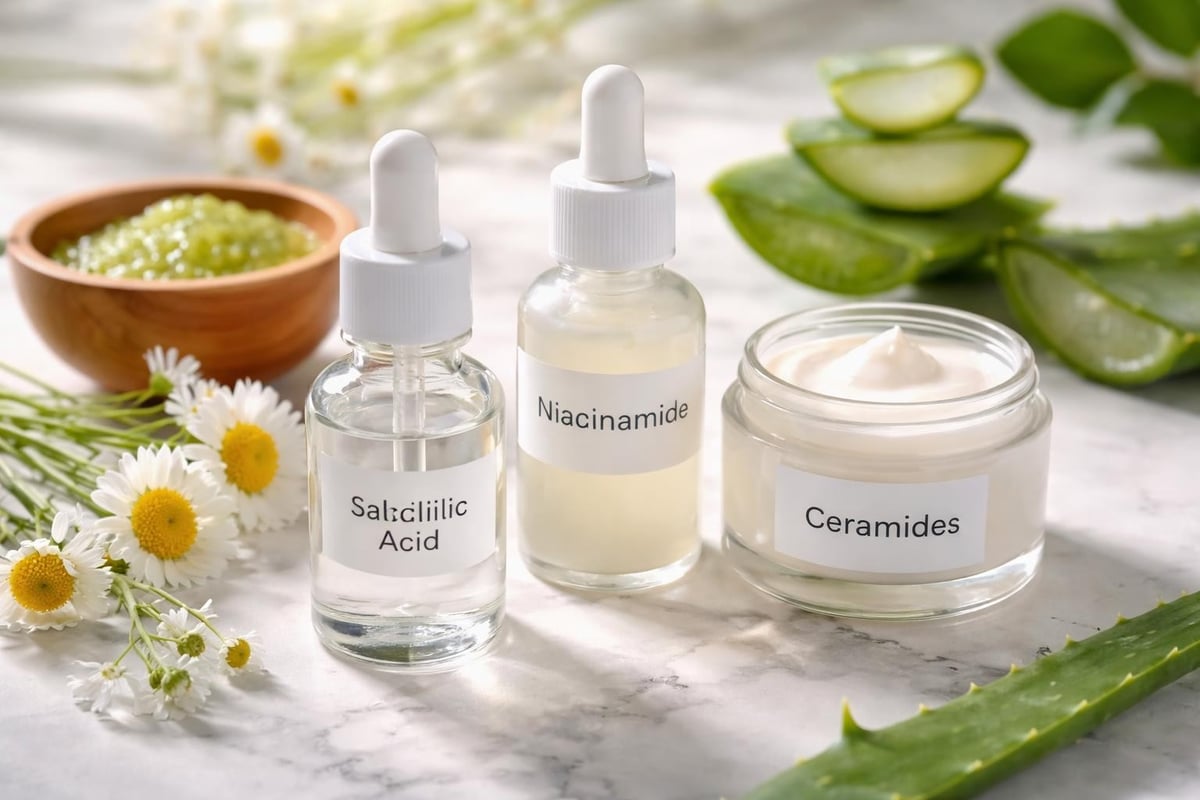
- Niacinamide for barrier strengthening and inflammation reduction
- Centella asiatica for wound healing and collagen synthesis
- Ceramides for lipid barrier restoration
- Allantoin for skin soothing and cellular regeneration
- Green tea extract for antioxidant protection
According to Curology's analysis of salicylic acid for rosacea, formulation context matters as much as the active ingredient itself.
Building a Rosacea-Safe Skincare Routine
Constructing an effective regimen for salicylic acid rosacea management requires strategic layering and ingredient selection. The foundation prioritizes barrier support and inflammation control.
Essential routine components include:
- Gentle, non-foaming cleansers with physiological pH
- Hydrating toners or essences with humectants
- Barrier-repair serums featuring ceramides and fatty acids
- Lightweight, non-comedogenic moisturizers
- Broad-spectrum mineral sunscreen (zinc oxide or titanium dioxide)
For those managing papulopustular presentations, targeted treatments address lesions without full-face application. Spot treatments minimize exposure while delivering therapeutic benefits where needed.
Morning Protocol for Sensitive Skin
Begin with lukewarm water cleansing or gentle micellar water. Follow with hydrating layers emphasizing humectants like hyaluronic acid and glycerin. The comprehensive moisturizer collection at Velours de Paris offers luxurious options formulated with sensitive complexions in mind, providing hydration without overwhelming reactive skin.
Sun protection remains non-negotiable, as UV exposure significantly exacerbates rosacea. Mineral formulations generally cause fewer reactions than chemical filters for sensitive individuals.
Evening Repair Focus
Nighttime routines emphasize barrier repair and cellular regeneration. Double cleansing removes sunscreen and environmental debris without stripping natural oils. Oil-based first cleansers followed by gentle water-based options prove effective.
Treatment products, if tolerated, apply to clean, dry skin. However, those managing active rosacea often achieve better results with restorative ingredients than aggressive actives. Insights from Strut Health's discussion on salicylic acid and rosacea emphasize the importance of barrier-first approaches.
Occlusive final layers lock in hydration and create protective barriers. Non-comedogenic oils or specialized balms suit different preferences and needs.
Testing and Introducing New Products
Patch testing proves essential when considering salicylic acid rosacea applications or any new skincare ingredient. This simple precaution prevents widespread reactions.
Proper Patch Testing Protocol
- Apply small amounts to inner forearm or behind ear
- Monitor for 24-48 hours for immediate reactions
- Test on small facial area (jawline) for 3-5 days
- Gradually increase application area if tolerated
- Discontinue immediately if burning, stinging, or redness intensifies
Even products marketed as "gentle" or "for sensitive skin" warrant testing. Individual tolerance varies significantly, making personal assessment irreplaceable.
Introduction frequency matters equally. Starting with once or twice weekly applications allows skin adaptation. Some individuals tolerate gradual increases to every other day, while others maintain optimal results with less frequent use.
When to Consult Dermatological Expertise
Professional guidance becomes crucial when rosacea significantly impacts quality of life or when over-the-counter approaches prove ineffective. Board-certified dermatologists access prescription treatments unavailable to consumers.
Situations warranting professional consultation include:
- Persistent papules or pustules resistant to gentle care
- Progressive worsening despite appropriate skincare
- Ocular symptoms affecting vision or comfort
- Significant psychological impact from appearance concerns
- Uncertainty about appropriate treatment approaches
Dermatologists can prescribe targeted medications like metronidazole, azelaic acid, or ivermectin specifically formulated for rosacea. These prescription options often deliver superior results compared to over-the-counter alternatives.
Advanced treatments including laser therapy, intense pulsed light, or photodynamic therapy address vascular components and persistent redness. These interventions complement topical care for comprehensive management.
Lifestyle Factors Supporting Skin Health
Beyond topical treatments, lifestyle modifications significantly impact salicylic acid rosacea outcomes and overall complexion health. Diet, stress management, and environmental protection work synergistically with skincare products.
Dietary Considerations
While trigger foods vary individually, common culprits include alcohol, spicy foods, hot beverages, and histamine-rich items. Maintaining a food diary helps identify personal triggers.
Anti-inflammatory dietary patterns emphasizing omega-3 fatty acids, antioxidant-rich vegetables, and minimal processed foods support skin health. Some individuals report improvements with dairy reduction or elimination.
Stress Management Techniques
Psychological stress consistently ranks among top rosacea triggers. The mind-skin connection operates through inflammatory mediators and neural pathways affecting vascular reactivity.
Effective stress reduction methods include:
- Regular meditation or mindfulness practices
- Moderate exercise avoiding overheating
- Adequate sleep duration and quality
- Breathing exercises for acute stress moments
- Professional counseling when beneficial
Temperature regulation during physical activity prevents heat-induced flushing. Swimming provides excellent cardiovascular benefits without excessive facial flushing for many individuals.
Environmental Protection Strategies
Extreme temperatures, both hot and cold, trigger rosacea flare-ups. Wind exposure similarly compromises barrier function and increases sensitivity.
Protective measures include wearing broad-brimmed hats, using scarves in cold weather, and avoiding saunas or steam rooms. Indoor environment control through humidifiers maintains comfortable atmospheric conditions.
The Luxury Approach to Sensitive Skincare
Premium formulations often incorporate advanced delivery systems and high-quality ingredient sourcing that benefit reactive complexions. The attention to detail in luxury skincare extends beyond packaging to formulation philosophy.
Refined textures, elegant sensorial experiences, and sophisticated ingredient combinations characterize prestige beauty approaches. These formulations often exclude common irritants while delivering efficacious concentrations of beneficial actives.
Velours de Paris exemplifies this philosophy, offering products that combine Parisian elegance with skincare science. Their commitment to quality ingredients and luxurious textures serves those seeking both efficacy and refined sensory experiences. With free shipping on all orders, accessing premium skincare becomes more convenient for those building their ideal routine.
The integration of beauty and skincare recognizes that makeup choices impact skin health. Non-comedogenic, fragrance-free color cosmetics allow those with rosacea to enhance their appearance without compromising skin integrity.
Monitoring Progress and Adjusting Approaches
Successful salicylic acid rosacea management requires ongoing assessment and adaptation. What works initially may need modification as skin conditions evolve or external factors change.
Tracking Methods
Photographic documentation provides objective progress assessment. Weekly photos under consistent lighting conditions reveal subtle improvements or setbacks that daily observation might miss.
Useful tracking parameters include:
- Frequency and intensity of flushing episodes
- Number and size of papules or pustules
- Subjective comfort levels throughout the day
- Product tolerance and any adverse reactions
- Correlation between triggers and flare-ups
Digital journals or specialized apps facilitate pattern recognition. Over time, data reveals connections between products, behaviors, and skin responses.
Adaptation Strategies
Seasonal changes often necessitate routine adjustments. Winter's harsh conditions require richer, more protective formulations, while summer heat calls for lightweight, non-occlusive options.
Hormonal fluctuations impact rosacea severity for many individuals. Adapting treatment intensity during predictable sensitivity windows prevents unnecessary flare-ups.
Flexibility distinguishes successful long-term management from rigid adherence to ineffective protocols. The willingness to modify approaches based on results demonstrates sophisticated skincare understanding.
Navigating the complex relationship between salicylic acid rosacea requires balancing potential benefits against sensitivity risks, with most professionals recommending gentler alternatives for reactive complexions. Success comes from understanding your specific skin needs, selecting appropriate formulations, and maintaining consistent barrier-supportive care. Discover how Velours de Paris combines luxury with skin-conscious formulation, offering refined products designed to enhance beauty while respecting your complexion's unique requirements.