Cart
0
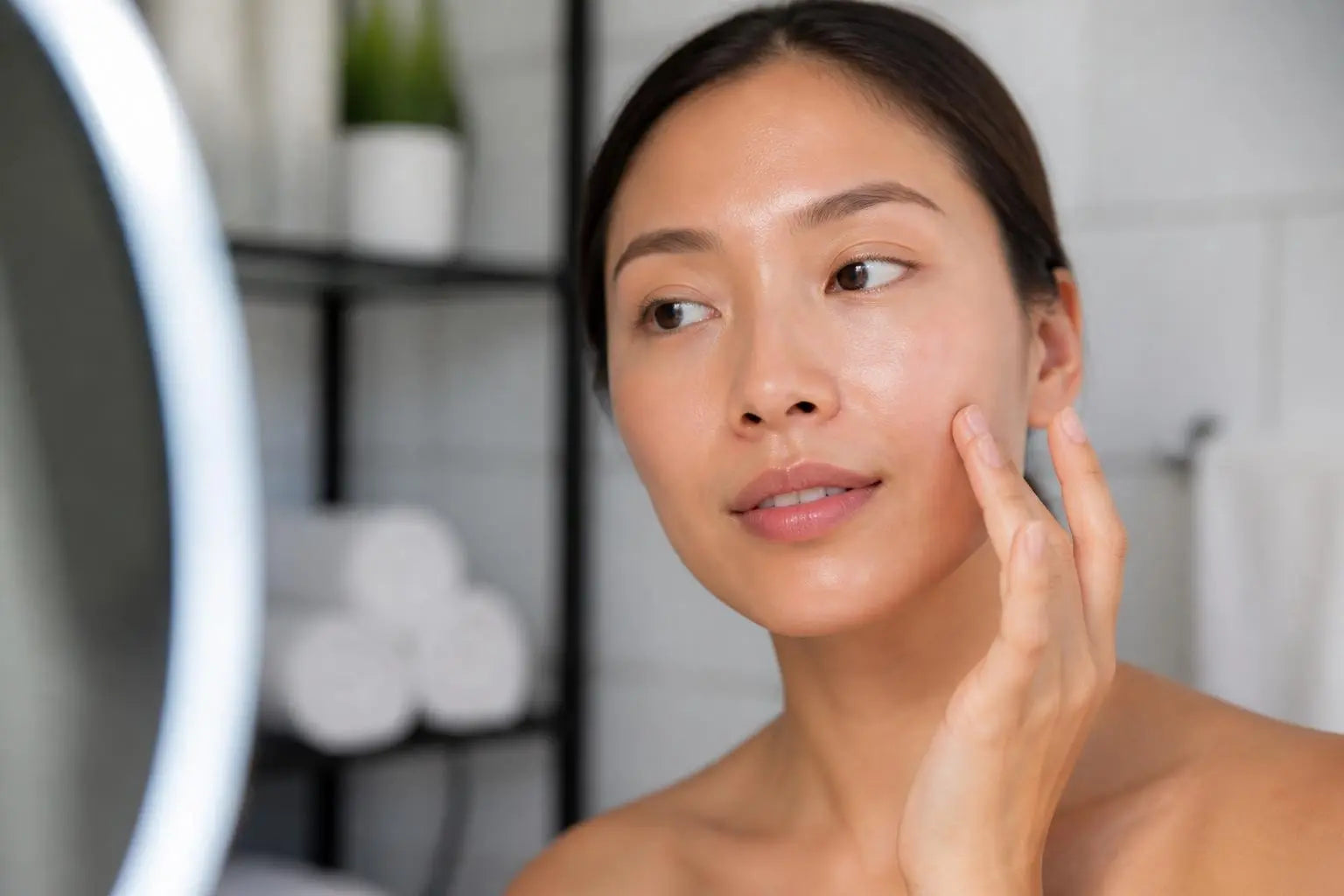
The pursuit of radiant, healthy skin has led beauty enthusiasts and dermatologists alike to focus on ingredients that work at the cellular level. Among these powerhouse components, ceramides have emerged as essential building blocks for maintaining skin integrity and youthful appearance. Understanding ceramide skin care means recognizing how these naturally occurring lipids function within your skin's protective barrier and why replenishing them through targeted products can transform your complexion from dull and dehydrated to supple and luminous.
The Science Behind Ceramides in Your Skin
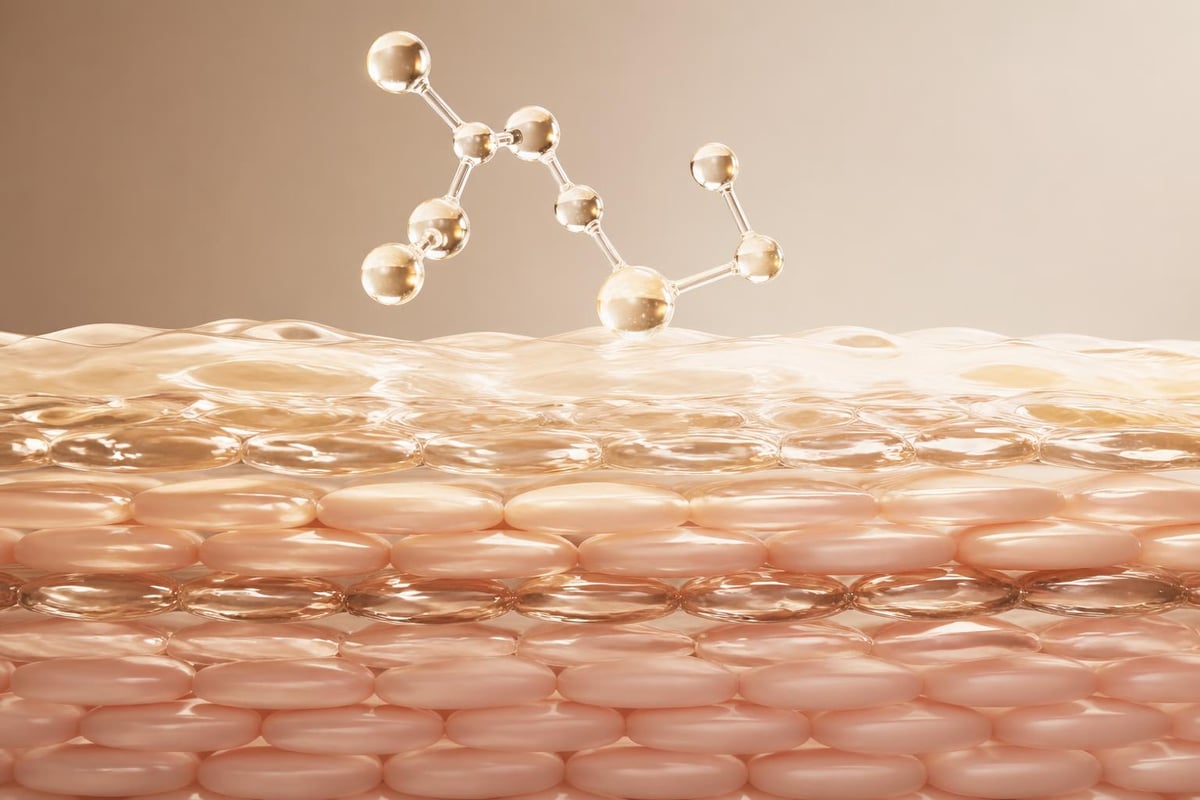
Ceramides comprise approximately 50% of the lipids in your skin's outermost layer, the stratum corneum. These waxy molecules act as the mortar between the bricks of your skin cells, creating a protective seal that prevents moisture loss and blocks environmental aggressors.
When your skin produces adequate ceramides, it maintains optimal hydration levels, appears plump and smooth, and defends against irritants effectively. However, factors such as aging, harsh weather, over-cleansing, and sun exposure gradually deplete these crucial lipids. Research shows that ceramide levels decrease significantly as we age, leading to visible signs of skin compromise.
Nine Types of Ceramides and Their Functions
Scientists have identified nine distinct types of ceramides, each playing a specific role in skin health. Ceramides 1, 3, and 6-II are particularly important for maintaining barrier function and preventing transepidermal water loss.
Key ceramide functions include:
- Strengthening the skin barrier against pollutants and allergens
- Regulating cellular communication and renewal
- Maintaining optimal moisture balance
- Reducing inflammation and sensitivity
- Supporting the skin's natural healing processes
The molecular structure of ceramides allows them to form organized lipid layers that create an impermeable barrier. This sophisticated arrangement ensures that water remains locked within your skin while harmful substances stay out.
Benefits of Incorporating Ceramide Skin Care Into Your Routine
Integrating ceramide-rich formulations into your daily regimen delivers measurable improvements across multiple skin concerns. These benefits extend beyond simple hydration to address fundamental skin health.
Moisture Retention and Hydration
Ceramide skin care products work by replenishing the lipids that naturally diminish over time. When you apply ceramide-containing moisturizers, serums, or cleansers, these molecules integrate into your skin's existing lipid matrix, reinforcing the barrier and dramatically reducing water evaporation.
Clinical studies demonstrate that consistent ceramide application can increase skin hydration by up to 45% within four weeks. This enhanced moisture retention manifests as smoother texture, reduced fine lines, and a healthy glow that reflects optimal skin function.
| Benefit Category | Visible Results | Timeline |
|---|---|---|
| Hydration | Plumper, dewier skin | 1-2 weeks |
| Barrier Repair | Reduced sensitivity and redness | 2-4 weeks |
| Texture | Smoother surface, refined pores | 4-6 weeks |
| Anti-Aging | Diminished fine lines | 6-8 weeks |
Strengthening Compromised Skin Barriers
Individuals with eczema, psoriasis, rosacea, or chronic dryness often exhibit significantly lower ceramide levels than those with healthy skin. According to dermatologists, ceramide supplementation through topical products can restore barrier integrity and reduce symptom severity.
For those experiencing sensitivity or reactivity, ceramide skin care offers gentle yet effective relief. These ingredients calm inflammation without introducing potentially irritating active compounds, making them suitable even for the most delicate complexions.
Choosing the Right Ceramide Skin Care Products
Navigating the extensive array of ceramide-infused formulations requires understanding product composition, concentration, and complementary ingredients that enhance ceramide efficacy.
Product Formulation and Ingredient Synergy
Look for these ceramide variations on ingredient labels:
- Ceramide NP (Ceramide 3)
- Ceramide AP (Ceramide 6-II)
- Ceramide EOP (Ceramide 1)
- Phytosphingosine
- Sphingosine
The most effective ceramide skin care products combine multiple ceramide types with cholesterol and fatty acids, mimicking your skin's natural lipid composition. This trio works synergistically to repair and maintain barrier function more effectively than ceramides alone.
Additionally, seek formulations that pair ceramides with hydrating agents like hyaluronic acid, glycerin, or niacinamide. These combinations address both barrier repair and moisture attraction, delivering comprehensive hydration benefits.
Texture and Application Considerations
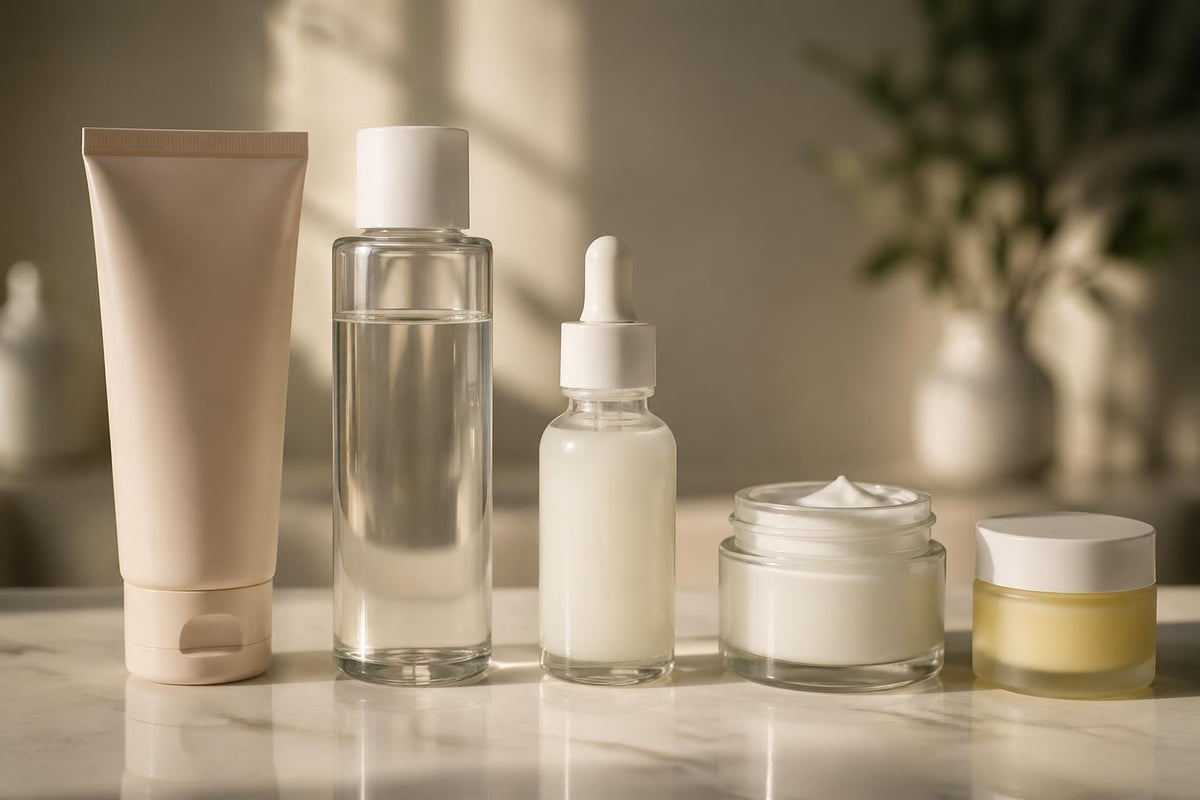
Ceramides appear in various product formats, each suited to different skin types and preferences. Creams and lotions provide rich, emollient delivery ideal for dry or mature skin, while serums offer lightweight penetration that works well for combination or oily complexions.
Understanding which ceramide products align with your skin type ensures optimal absorption and results. Those with oily skin might prefer gel-based ceramide formulations, whereas individuals battling severe dryness benefit from ceramide-rich balms or ointments.
Building an Effective Ceramide Skin Care Regimen
Strategic product layering maximizes ceramide benefits while supporting overall skin health. A well-designed routine considers cleansing practices, treatment application order, and protective finishing steps.
Morning Ceramide Routine
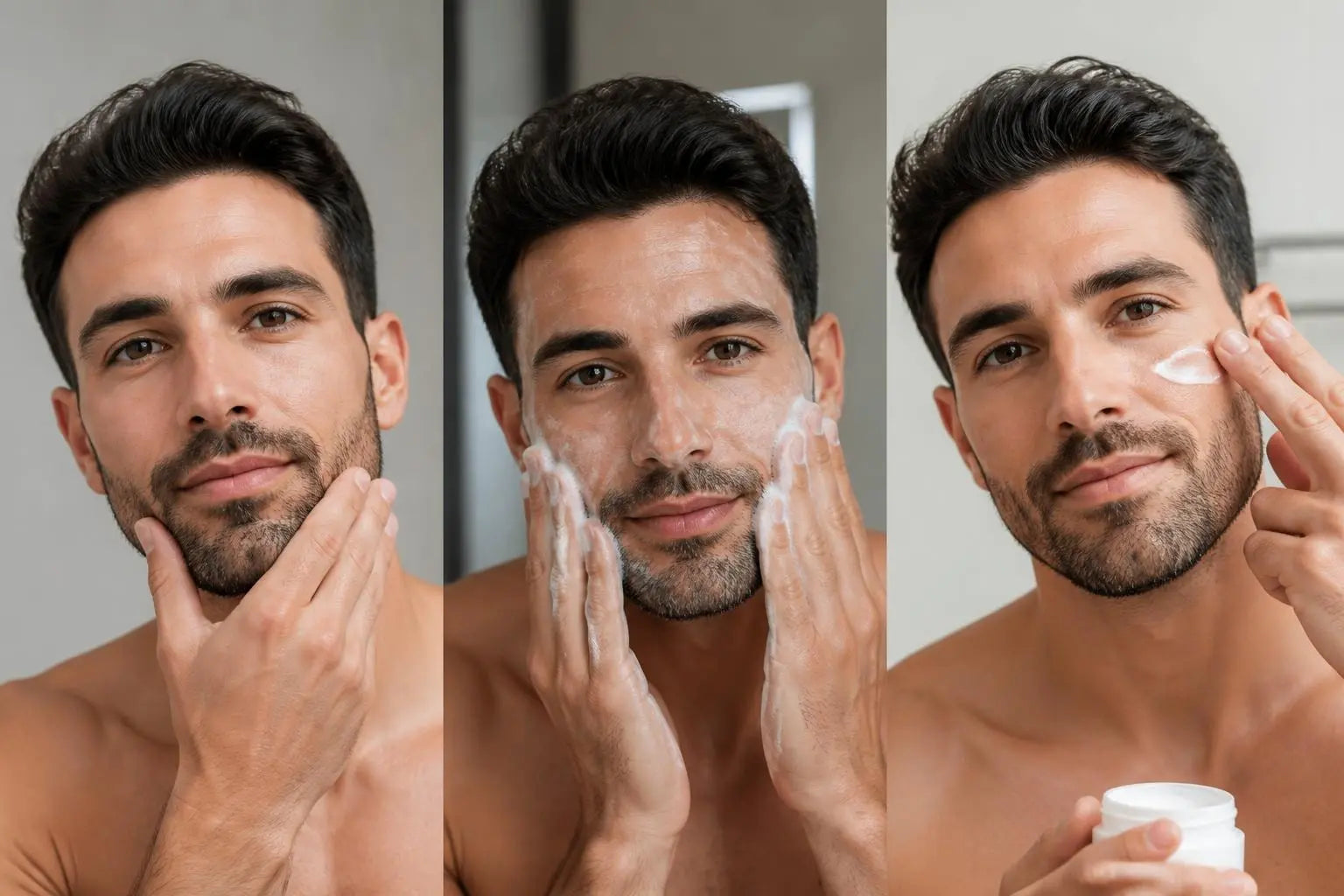
Start your day by cleansing with a gentle, pH-balanced formula that preserves existing ceramides rather than stripping them away. Harsh surfactants can deplete your skin's natural lipids, counteracting the benefits of your ceramide treatments.
Follow this morning sequence:
- Gentle cleanser (cream or oil-based)
- Hydrating toner or essence
- Ceramide serum for targeted delivery
- Ceramide moisturizer to seal in benefits
- Broad-spectrum SPF to protect barrier function
The skincare collection you choose should complement your ceramide products, ensuring each step supports barrier health without introducing incompatible ingredients.
Evening Ceramide Protocol
Nighttime presents the optimal opportunity for intensive barrier repair, as your skin's natural regeneration processes peak during sleep. Layer ceramide products strategically to maximize overnight recovery.
After thorough but gentle cleansing, apply any active treatments like retinoids or exfoliating acids first, allowing 10-15 minutes for absorption. Then introduce your ceramide serum, followed by a rich ceramide cream or moisturizer to create an occlusive seal.
For exceptionally dry or compromised skin, consider adding a final layer of ceramide-containing facial oil or sleeping mask. This multi-layered approach ensures sustained barrier support throughout the night.
Ceramide Sources and Product Quality
Understanding where ceramides originate helps you evaluate product quality and select formulations aligned with your values and skin needs.
Natural Versus Synthetic Ceramides
Ceramide sources vary significantly, with implications for efficacy, sustainability, and cost. Natural ceramides derived from plant sources like rice, wheat, or soy offer biocompatibility and appeal to those seeking botanical ingredients.
Synthetic ceramides, created through laboratory processes, provide consistency, purity, and often superior stability in formulations. Many premium brands utilize bio-identical synthetic ceramides that precisely mirror human skin ceramides, ensuring optimal integration and function.
| Ceramide Source | Advantages | Considerations |
|---|---|---|
| Plant-Derived | Natural, sustainable, suitable for vegans | Variable purity, higher cost |
| Synthetic Bio-Identical | Consistent quality, highly stable, precise composition | May not appeal to clean beauty advocates |
| Fermented Microbial | Eco-friendly production, excellent purity | Emerging technology, limited availability |
Evaluating Product Concentration
While ceramide percentage matters, concentration alone doesn't determine efficacy. A product containing 2% ceramides in an optimally formulated base may outperform one with 5% ceramides in a poorly designed vehicle.
Examine the ingredient list position as well. Ceramides listed within the first five to seven ingredients typically indicate meaningful concentrations. Additionally, products displaying specific ceramide types rather than generic "ceramides" demonstrate formulation sophistication and transparency.
Integrating Ceramide Skin Care With Other Active Ingredients
Ceramides play well with most skincare actives, making them versatile additions to existing routines. However, strategic pairing enhances results while preventing potential conflicts.
Complementary Ingredient Combinations
Ceramide skin care reaches peak effectiveness when combined with ingredients that support barrier function or address specific concerns without compromising lipid integrity.
Synergistic pairings include:
- Niacinamide: Stimulates natural ceramide production while reducing inflammation
- Hyaluronic Acid: Attracts moisture that ceramides help retain
- Peptides: Support collagen while ceramides maintain barrier integrity
- Antioxidants: Protect lipids from oxidative damage
These combinations create comprehensive skincare solutions that address multiple aging pathways simultaneously. SELF magazine's analysis confirms that layering ceramides with hydrating and reparative ingredients amplifies overall results.
Managing Potential Sensitivities
Though ceramides themselves rarely cause irritation, some individuals may react to other formulation components like preservatives, fragrances, or delivery systems. If you experience unexpected sensitivity, examine the complete ingredient list rather than assuming ceramides are the culprit.
Those with extremely reactive skin should patch-test new ceramide products on the inner arm before facial application. Start with minimal amounts and gradually increase frequency as your skin acclimates.

Ceramide Skin Care for Different Skin Types and Concerns
Tailoring ceramide application to your specific skin profile ensures optimal benefits without exacerbating existing conditions.
Dry and Dehydrated Skin
Individuals experiencing chronic dryness benefit most dramatically from ceramide skin care. Focus on rich, emollient formulations containing high ceramide concentrations alongside occlusives like shea butter or squalane.
Apply ceramide products to slightly damp skin immediately after cleansing to maximize moisture capture. Layer multiple ceramide-containing products throughout your routine for intensive barrier restoration.
Oily and Acne-Prone Skin
Contrary to common misconceptions, oily skin benefits significantly from ceramide supplementation. Barrier compromise often triggers excess oil production as skin attempts to compensate for lipid deficiency.
Choose lightweight, non-comedogenic ceramide serums or gel moisturizers that provide barrier support without heaviness. These formulations help regulate sebum production while maintaining healthy moisture balance.
Aging and Mature Skin
As ceramide production naturally declines with age, mature skin requires external supplementation to maintain barrier function and minimize visible aging signs. Ceramide skin care becomes increasingly essential after age 30, when natural lipid synthesis begins decreasing.
Combine ceramides with retinoids, peptides, and antioxidants for comprehensive anti-aging benefits. This multi-targeted approach addresses collagen loss, barrier compromise, and oxidative stress simultaneously.
Sensitive and Compromised Skin
Those managing conditions like eczema, rosacea, or contact dermatitis find ceramide products particularly beneficial. These gentle yet effective ingredients restore barrier function without introducing potentially irritating actives.
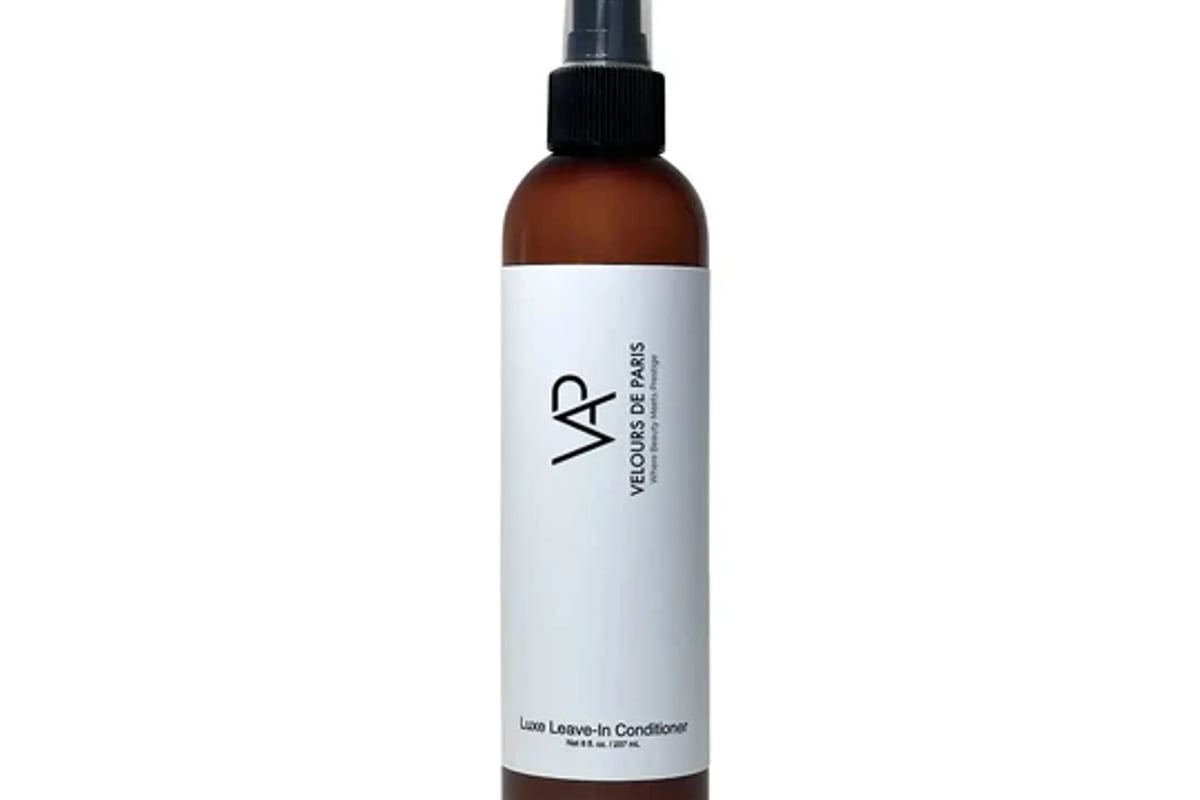
Velours de Paris understands the importance of barrier-supporting ingredients in luxury formulations, offering products that deliver prestige and efficacy. Free shipping on all orders makes accessing premium ceramide-enriched skincare convenient and accessible.
Understanding Ceramide Research and Clinical Evidence
Scientific investigation continues revealing new insights into ceramide function and therapeutic applications, strengthening the case for their inclusion in professional skincare.
Clinical Studies and Proven Results
Numerous peer-reviewed studies document ceramide efficacy across various skin conditions. Research demonstrates that topical ceramide application significantly improves barrier function markers, including transepidermal water loss reduction and stratum corneum hydration enhancement.
Studies specifically examining atopic dermatitis patients show that ceramide-containing emollients reduce flare frequency and severity when used as maintenance therapy. These findings support ceramide recommendations for both treatment and prevention of barrier-related skin issues.
Ongoing Research Directions
Current investigations explore ceramide ratio optimization, enhanced delivery systems, and combinations with emerging ingredients. Scientists are particularly interested in how different ceramide tail lengths influence barrier structure and function, with research indicating that specific molecular configurations provide superior barrier reinforcement.
Additionally, studies examining stratum corneum lipid mixtures through computer simulations help formulators design more biomimetic products that closely replicate natural skin lipid organization.
Professional Treatments Featuring Ceramides
While at-home ceramide skin care forms the foundation of barrier maintenance, professional treatments offer intensified benefits for specific concerns or accelerated results.
In-Office Ceramide Therapies
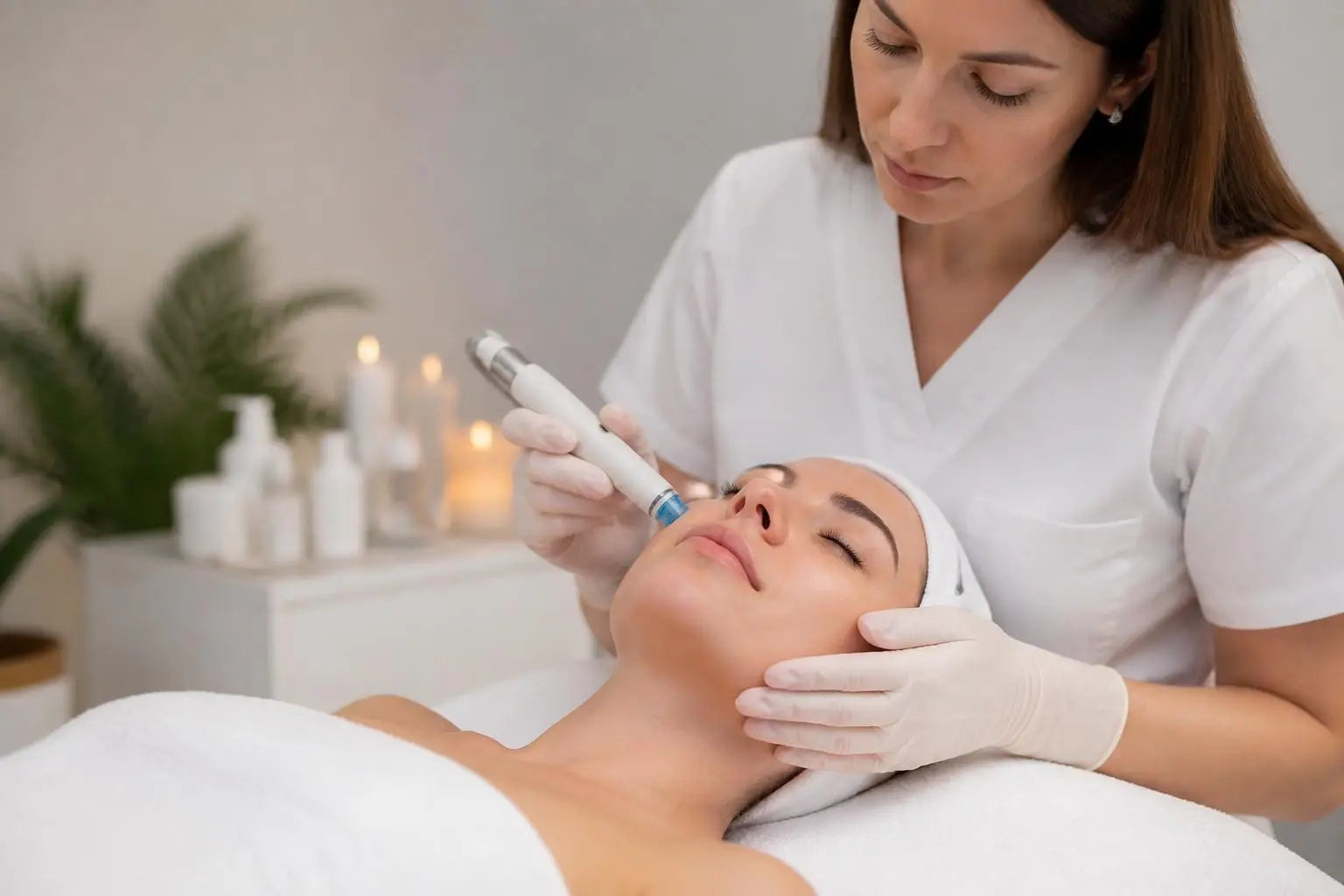
Dermatologists and aestheticians increasingly incorporate ceramide-rich products into professional facials, chemical peel recovery protocols, and post-laser care regimens. These applications support barrier repair during vulnerable healing periods when skin requires extra lipid support.
Some practices offer ceramide-infused LED therapy sessions or microneedling treatments that enhance ceramide penetration while stimulating natural production. These combination approaches deliver both immediate and long-term barrier improvements.
Medical-Grade Ceramide Formulations
Prescription-strength ceramide products contain higher concentrations and pharmaceutical-grade ingredients designed for therapeutic applications. These formulations address severe barrier dysfunction conditions that over-the-counter products may not adequately resolve.
Consulting with a dermatology professional helps determine whether medical-grade ceramide skin care suits your specific needs or if well-formulated retail products provide sufficient support.
Long-Term Ceramide Skin Care Strategies
Achieving and maintaining optimal barrier function requires sustained commitment to ceramide supplementation and supportive skincare practices.
Consistency and Patience
Unlike some instant-gratification actives, ceramides work gradually to rebuild and reinforce barrier structure. Visible improvements typically emerge within two to four weeks of consistent use, with continued enhancement over subsequent months.
Maintain realistic expectations and commit to long-term application for maximum benefits. Consider ceramide products as foundational elements of your routine rather than temporary treatments.
Adapting to Seasonal Changes
Environmental factors significantly impact ceramide needs. Winter's harsh conditions deplete lipids more rapidly, requiring richer ceramide formulations or increased application frequency. Summer humidity may allow lighter products while still maintaining adequate barrier support.
Adjust your ceramide skin care approach seasonally to match your skin's changing requirements. This flexibility ensures optimal barrier function year-round regardless of environmental stressors.
Seasonal adjustment guidelines:
- Winter: Increase ceramide cream thickness and application frequency
- Spring: Transition to moderate-weight ceramide moisturizers
- Summer: Consider lightweight ceramide serums with gel moisturizers
- Fall: Gradually reintroduce richer ceramide formulations
Monitor your skin's response and modify products accordingly, remembering that individual needs vary based on climate, lifestyle, and inherent skin characteristics.
Ceramide skin care represents a scientifically validated approach to achieving and maintaining healthy, resilient skin through barrier support and moisture retention. By understanding how these essential lipids function and selecting quality formulations that deliver meaningful concentrations, you can transform your complexion while addressing multiple concerns simultaneously. Discover how Velours de Paris combines Parisian elegance with sophisticated skincare science, offering luxury formulations designed to enhance your natural beauty while supporting long-term skin health.