Cart
0
Achieving beautiful, healthy skin requires more than just wishful thinking. The best skin care approaches combine scientific understanding, consistent routines, and carefully selected products that address your unique needs. Whether you're dealing with dryness, sensitivity, aging concerns, or simply want to maintain a radiant complexion, the path to glowing skin begins with knowledge and commitment. In this comprehensive guide, we'll explore professional strategies, product selection criteria, and daily practices that transform your skin care routine from basic to exceptional.
Understanding Your Skin Type Foundation
Before investing in products or building a routine, identifying your skin type forms the cornerstone of effective skin care. The best skin care regimen starts with self-knowledge.
Normal skin exhibits balanced oil production, minimal sensitivity, and small pores. This fortunate skin type requires maintenance rather than correction, benefiting from gentle cleansers and lightweight moisturizers that preserve natural balance.
Oily skin produces excess sebum, leading to shine, enlarged pores, and potential breakouts. Contrary to popular belief, oily skin still needs hydration. The key lies in selecting oil-free, non-comedogenic formulas that moisturize without clogging pores.
Recognizing Different Skin Characteristics
Dry skin feels tight, appears flaky, and may show fine lines more prominently. This type craves rich, nourishing formulas containing ceramides, hyaluronic acid, and natural oils that restore the skin barrier.
Combination skin presents the most complex puzzle, with an oily T-zone (forehead, nose, chin) and normal or dry cheeks. According to Harvard Health's simplified skin care approach, understanding these variations helps you target treatment areas appropriately.
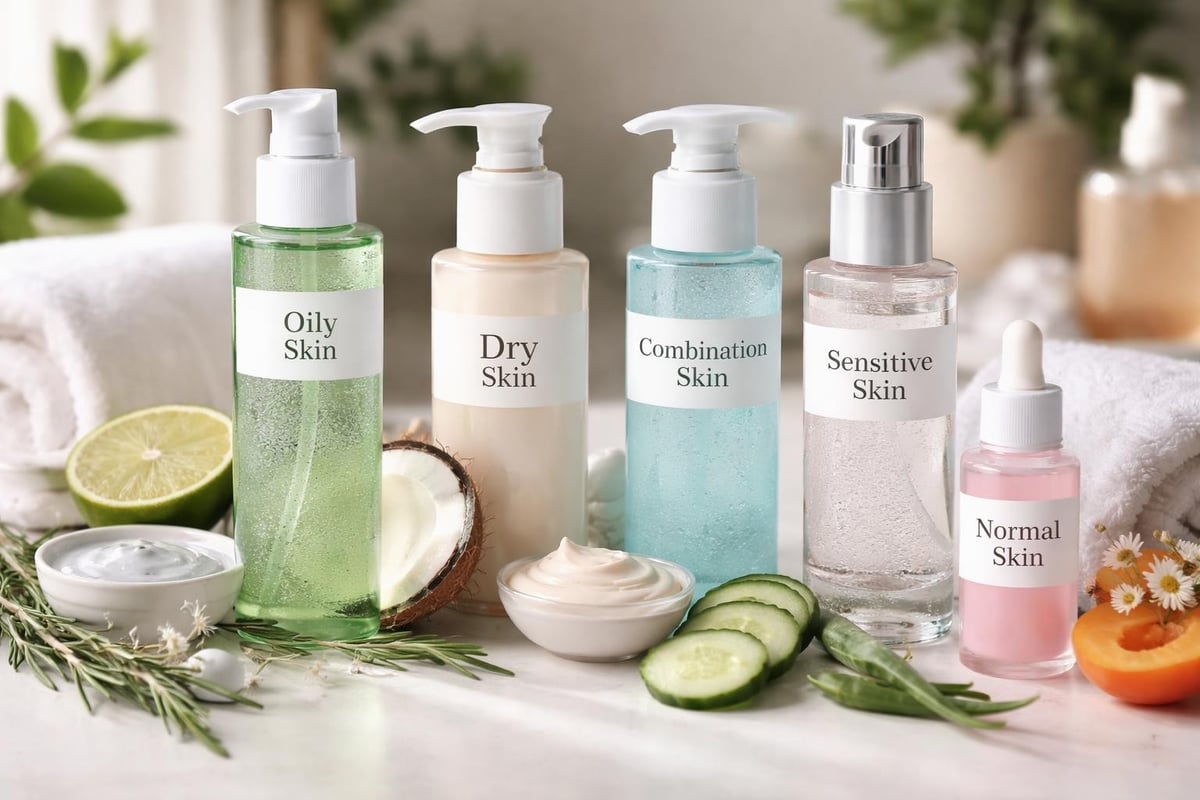
Sensitive skin reacts easily to products, environmental factors, or stress, showing redness, burning, or irritation. This type demands fragrance-free, hypoallergenic formulas with minimal ingredients.
| Skin Type | Key Characteristics | Product Focus | Ingredients to Seek |
|---|---|---|---|
| Normal | Balanced, clear | Maintenance | Antioxidants, light moisturizers |
| Oily | Shiny, large pores | Oil control | Salicylic acid, niacinamide |
| Dry | Tight, flaky | Intense hydration | Ceramides, hyaluronic acid |
| Combination | Mixed zones | Targeted treatment | Multi-purpose serums |
| Sensitive | Reactive, red | Gentle care | Fragrance-free, minimal ingredients |
Building Your Morning Routine
The best skin care routines follow a logical progression that maximizes product effectiveness. Morning routines prepare and protect skin for daily environmental stressors.
Start with a gentle cleanser that removes overnight oil accumulation and cellular debris without stripping natural moisture. Those with dry skin may opt for cream cleansers, while oily skin benefits from gel formulas. Time's guide to effective skin care routines emphasizes this first critical step.
Layering Treatment Products
After cleansing, apply treatments while skin remains slightly damp to enhance absorption:
- Toner or essence balances pH and preps skin for subsequent products
- Vitamin C serum provides antioxidant protection against free radicals and environmental damage
- Eye cream addresses the delicate under-eye area with targeted hydration
- Moisturizer locks in hydration and creates a protective barrier
The vitamin C lotion from Velours de Paris delivers concentrated antioxidant benefits in an elegant formula that layers seamlessly under sunscreen.
Sun protection represents the single most important anti-aging step. Apply broad-spectrum SPF 30 or higher as your final morning layer, reapplying every two hours during sun exposure. Professional dermatologists consistently rank sunscreen as non-negotiable for the best skin care results.
Evening Skin Care Rituals
Nighttime routines focus on deep cleaning, repair, and regeneration. Your skin's natural renewal processes accelerate during sleep, making evening care particularly impactful.
Double cleansing thoroughly removes makeup, sunscreen, and daily grime. Begin with an oil-based cleanser or micellar water to dissolve makeup and SPF, followed by your regular water-based cleanser to purify pores.
After cleansing, the treatment sequence varies based on individual needs:
- Chemical exfoliants (AHAs or BHAs) 2-3 times weekly to remove dead skin cells
- Targeted serums addressing specific concerns like hyperpigmentation, fine lines, or acne
- Retinoids for cell turnover and collagen production (start slowly, building tolerance)
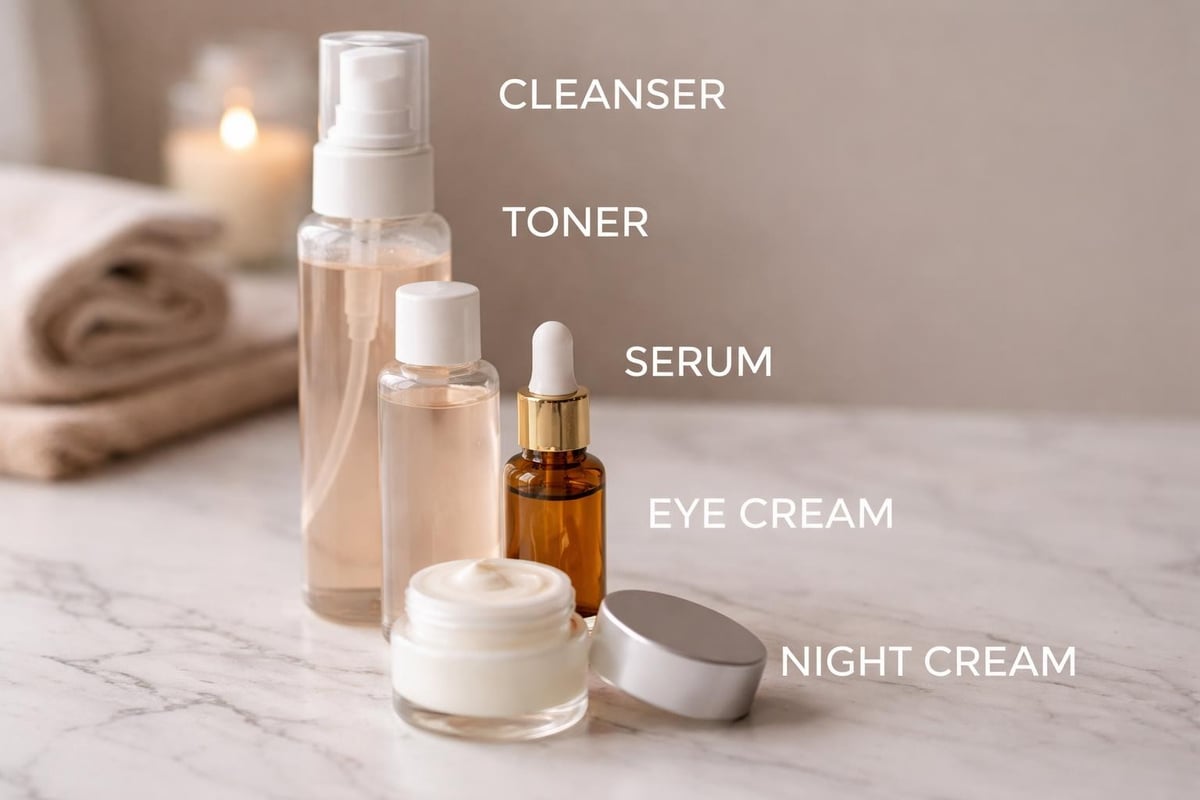
- Night cream or sleeping mask for intensive overnight hydration
The soothing moisturizer provides restorative hydration that works harmoniously with skin's nighttime renewal cycle.
Weekly Enhancement Treatments
Beyond daily routines, the best skin care incorporates weekly treatments that address deeper concerns:
Face masks deliver concentrated ingredients for specific needs. Clay masks purify oily skin, sheet masks hydrate dry complexions, and enzyme masks gently exfoliate sensitive types. Allure's compilation of dermatologist tips highlights multi-masking for combination skin, applying different masks to different facial zones.
Physical exfoliation should occur no more than twice weekly, using gentle scrubs or soft brushes that buff away dead cells without causing micro-tears.
Professional treatments like chemical peels, microdermabrasion, or LED therapy complement home care when performed by licensed aestheticians.
Key Ingredients for Optimal Results
Understanding active ingredients empowers informed product selection. The best skin care formulas combine proven actives in effective concentrations.
Anti-Aging Powerhouses
Retinoids (retinol, retinaldehyde, tretinoin) accelerate cell turnover, stimulate collagen production, and reduce fine lines. Start with low concentrations, gradually increasing frequency to build tolerance. Time's dermatologist recommendations emphasize retinoids as essential anti-aging tools.
Vitamin C neutralizes free radicals, brightens skin tone, and supports collagen synthesis. L-ascorbic acid provides the most research backing, though derivatives like magnesium ascorbyl phosphate suit sensitive skin better.
Peptides signal skin to produce more collagen and elastin, improving firmness and texture over consistent use.
Niacinamide addresses multiple concerns simultaneously: minimizing pores, regulating oil production, reducing inflammation, and fading hyperpigmentation.
Hydration Heroes
- Hyaluronic acid holds 1,000 times its weight in water, plumping skin and reducing fine line appearance
- Glycerin attracts moisture from the environment into skin layers
- Ceramides reinforce the skin barrier, preventing moisture loss and protecting against irritants
- Squalane mimics skin's natural oils, providing lightweight yet effective hydration
According to research on skin barrier health, maintaining barrier integrity through proper hydration prevents numerous skin issues from sensitivity to premature aging.
Addressing Common Skin Concerns
The best skin care approaches target specific challenges with strategic product combinations and lifestyle adjustments.
Managing Acne and Breakouts
Acne requires consistent, gentle treatment rather than aggressive attacks that strip skin and trigger more oil production:
- Salicylic acid penetrates pores to dissolve debris and reduce inflammation
- Benzoyl peroxide kills acne-causing bacteria (use cautiously to avoid excessive dryness)
- Niacinamide regulates sebum and calms inflammation
- Tea tree oil provides natural antibacterial properties
Avoid over-cleansing or using multiple harsh actives simultaneously. The oil-free daily moisturizer hydrates acne-prone skin without contributing to congestion.
Combating Hyperpigmentation
Dark spots, melasma, and uneven tone respond to targeted brightening ingredients:
- Vitamin C inhibits melanin production and fades existing discoloration
- Kojic acid lightens hyperpigmentation through tyrosinase inhibition
- Alpha arbutin offers gentle brightening without irritation
- Licorice root extract soothes while brightening
Consistent sunscreen use proves absolutely critical when treating hyperpigmentation, as UV exposure triggers melanin production and reverses progress.
| Concern | Primary Treatments | Supporting Ingredients | Timeline for Results |
|---|---|---|---|
| Acne | Salicylic acid, benzoyl peroxide | Niacinamide, tea tree oil | 4-8 weeks |
| Hyperpigmentation | Vitamin C, kojic acid | Alpha arbutin, licorice extract | 8-12 weeks |
| Fine lines | Retinoids, peptides | Vitamin C, hyaluronic acid | 12-16 weeks |
| Dryness | Ceramides, hyaluronic acid | Squalane, glycerin | 2-4 weeks |
| Sensitivity | Centella asiatica, niacinamide | Colloidal oatmeal, aloe | 4-6 weeks |
Reducing Fine Lines and Wrinkles
Aging skin benefits from multi-pronged approaches combining prevention and correction:
Retinoids remain the gold standard for anti-aging, supported by decades of research demonstrating wrinkle reduction and improved skin texture. Begin with over-the-counter retinol before considering prescription tretinoin if needed.
Antioxidants (vitamins C and E, ferulic acid, resveratrol) protect against environmental damage that accelerates aging. Morning application provides defensive benefits throughout the day.
Peptides and growth factors stimulate collagen production, improving skin firmness and resilience over time.
Simplifying Your Routine for Success
While extensive product lineups seem appealing, the best skin care often embraces simplicity. Dermatologists advocate for streamlined routines focusing on consistent essentials rather than overwhelming complexity.
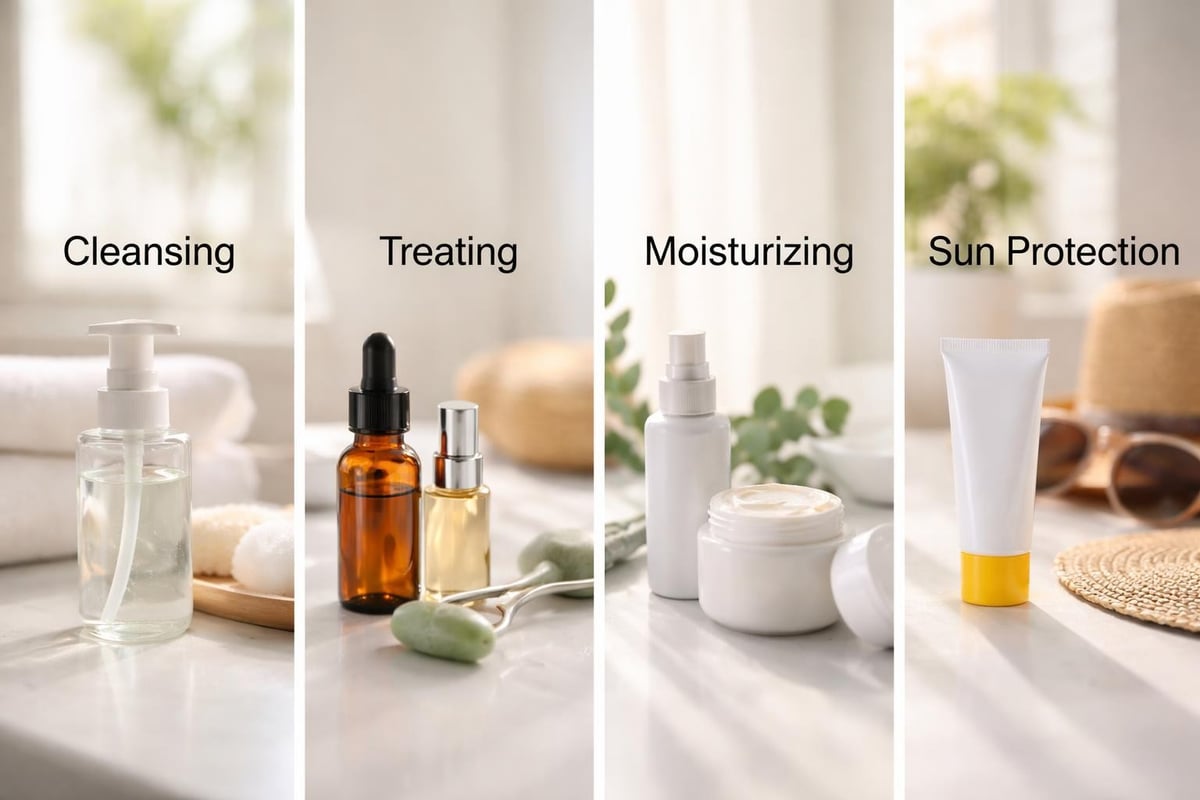
A minimalist routine includes:
- Gentle cleanser morning and evening
- Treatment serum (vitamin C morning, retinoid evening)
- Moisturizer appropriate for skin type
- Broad-spectrum sunscreen every morning
This foundation addresses all fundamental needs. Additional products target specific concerns as warranted, but starting simple prevents overwhelming both your skin and your commitment.
Consistency Over Complexity
The most luxurious, expensive products deliver no results without consistent application. The best skin care routines become effortless habits rather than burdensome chores.
Set yourself up for success by:
- Keeping products visible and accessible
- Establishing morning and evening routines at consistent times
- Setting phone reminders initially until habits form
- Simplifying travel routines to maintain consistency away from home
- Tracking progress with monthly photos to observe gradual improvements
Lifestyle Factors That Impact Skin
Products alone cannot overcome detrimental lifestyle patterns. Holistic best skin care acknowledges that external and internal factors work together.
Sleep quality directly affects skin appearance and health. During deep sleep, growth hormones peak, supporting collagen production and cellular repair. Aim for seven to nine hours nightly.
Hydration status influences skin plumpness and function. Water supports nutrient delivery, waste removal, and barrier integrity. While topical hydration matters tremendously, internal hydration provides the foundation.
Nutrition and Skin Health
Your diet provides building blocks for skin structure and function:
- Omega-3 fatty acids (salmon, walnuts, flaxseed) reduce inflammation and support skin barrier
- Antioxidant-rich foods (berries, dark chocolate, green tea) combat free radical damage
- Vitamin A sources (sweet potatoes, carrots, spinach) support cell turnover
- Zinc-containing foods (pumpkin seeds, chickpeas, cashews) aid healing and reduce inflammation
Stress management prevents cortisol spikes that trigger inflammation, breakouts, and premature aging. Incorporate practices like meditation, exercise, or creative pursuits that promote relaxation.
Product Selection and Quality Considerations
Not all skin care products deliver equal value. The best skin care investments prioritize quality formulations over marketing hype.
Examine ingredient lists carefully. Active ingredients should appear in the first half of the list, indicating meaningful concentrations. Avoid products with extensive fragrance, dye, or filler ingredients that provide no skin benefit.
Understanding Luxury Versus Necessity
Premium brands often justify higher prices through:
- Higher active ingredient concentrations
- Proprietary delivery systems enhancing penetration
- Extensive clinical testing validating claims
- Superior sensory experiences encouraging consistent use
- Elegant packaging protecting photosensitive ingredients
However, drugstore options frequently contain identical actives at lower concentrations. Your skin type, concerns, and budget determine appropriate investment levels. Who What Wear's comprehensive routine guide explores balancing splurges and savings effectively.
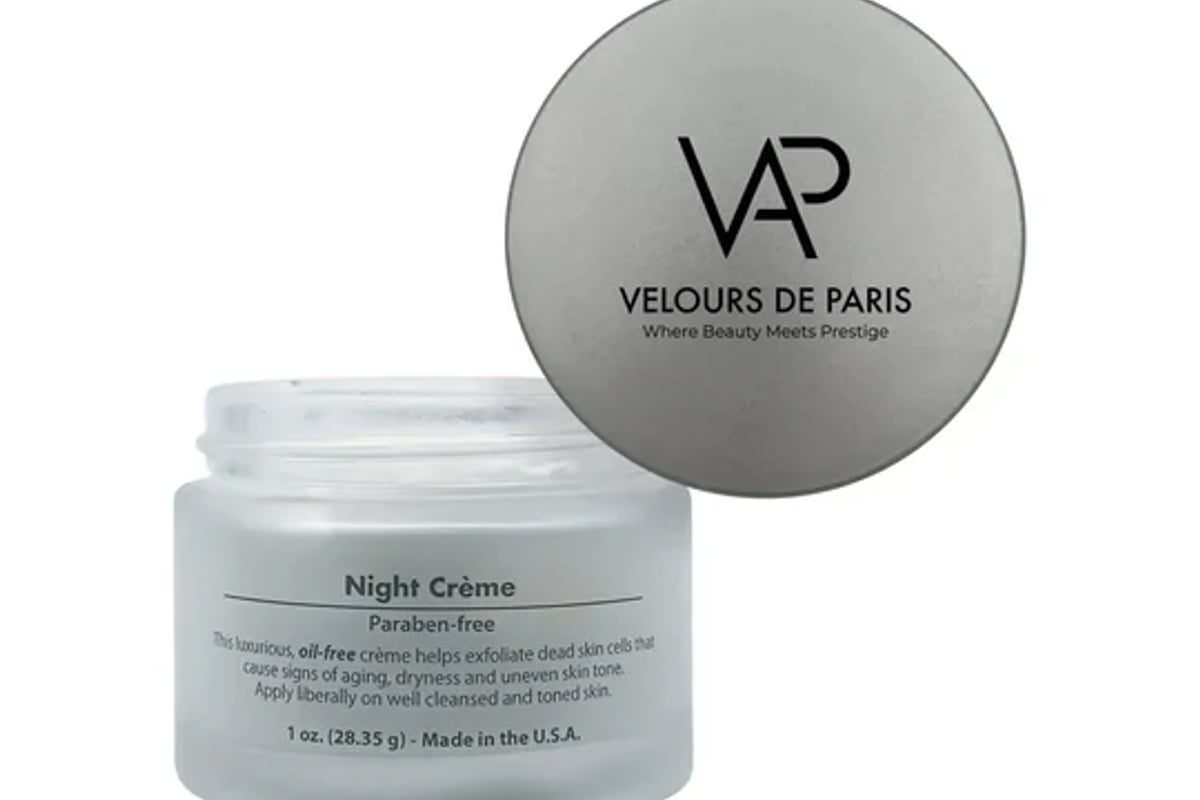
Velours de Paris exemplifies the value of thoughtful luxury, creating refined formulations that deliver both efficacy and sensorial pleasure. When skin care feels indulgent, consistency comes naturally.
Adapting Routines Seasonally
The best skin care routines evolve with changing environmental conditions and skin needs throughout the year.
Winter demands richer moisturizers, occlusives preventing moisture loss, and hydrating serums combating indoor heating effects. Reduce exfoliation frequency as skin becomes more sensitive in cold, dry conditions.
Summer requires lightweight, gel-based moisturizers, increased SPF diligence, and oil-controlling products for those experiencing heat-related breakouts. Antioxidant serums provide extra protection against intensified UV exposure.
Spring and fall transitions offer opportunities to reassess routines, introducing new actives as skin adapts to changing conditions. These moderate seasons suit retinoid initiation or increased exfoliation after winter's gentleness.
Age-Appropriate Skin Care Strategies
Skin care needs shift across decades, requiring routine adjustments that address evolving concerns.
Twenties Foundation Building
Focus on prevention through consistent sunscreen, gentle cleansing, and basic moisturizing. Introduce vitamin C and occasional chemical exfoliation. Establish habits that compound benefits over decades.
Thirties Early Intervention
Add retinoids to address early fine lines and maintain cellular turnover. Prioritize eye cream for delicate periorbital areas showing initial aging signs. Continue religious sun protection.
Forties and Beyond
Intensify anti-aging efforts with higher retinoid concentrations, peptide serums, and richer moisturizers addressing dryness. Consider professional treatments complementing home care. Focus on neck and décolletage alongside facial care.
The nourish hand cream from Velours de Paris extends age-defying care beyond the face, addressing hands that reveal aging prematurely.
Professional Guidance and Dermatological Care
While excellent home routines form the foundation, professional input elevates results and addresses complex concerns.
Annual dermatology visits screen for skin cancer while providing expert assessment of your routine's effectiveness. Dermatologists identify issues early and recommend prescription options when appropriate.
Licensed aestheticians perform professional treatments, offer product recommendations, and educate on proper application techniques maximizing your investment.
Patch testing new products prevents adverse reactions, particularly for sensitive skin. Apply small amounts to inner arm or jaw area for 24-48 hours before full facial application.
Common Mistakes to Avoid
Even well-intentioned skin care enthusiasts make errors that undermine results:
- Over-exfoliating strips protective barriers, causing sensitivity, redness, and increased oil production
- Layering incompatible actives like retinoids and vitamin C in the same routine (separate morning and evening instead)
- Skipping sunscreen negates all other anti-aging efforts
- Changing products too frequently prevents adequate assessment periods
- Using dirty applicators introduces bacteria, causing breakouts
- Applying too much product wastes expensive formulas without improving results
The best skin care practices embrace patience, allowing products adequate time (typically 6-12 weeks) to demonstrate effectiveness before switching.
Mastering the best skin care requires understanding your unique needs, selecting quality products with proven ingredients, and maintaining consistent routines that evolve with your skin. When you combine scientific knowledge with luxurious formulations designed to enhance both efficacy and experience, transformative results follow naturally. Discover how Velours de Paris elevates your skin care journey with refined, Parisian-inspired products that make daily rituals feel extraordinary.