Cart
0
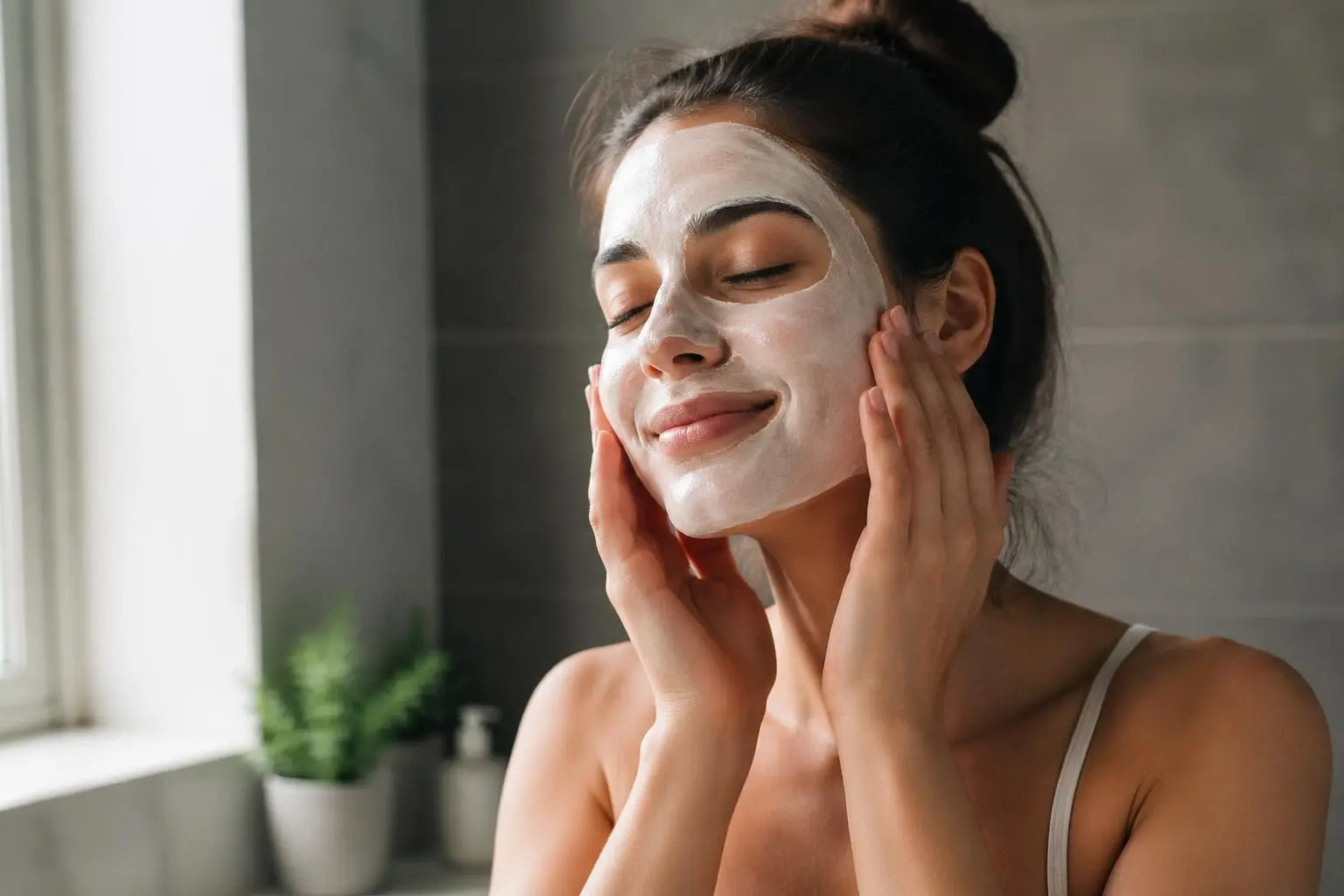
The pursuit of radiant, healthy skin drives millions of beauty enthusiasts to explore innovative skincare solutions every year. Among the most versatile and effective treatments in any skincare routine are facial masks, which deliver concentrated ingredients directly to the skin while providing a luxurious self-care experience. Whether you struggle with dryness, excess oil, dullness, or signs of aging, understanding how to select and use the best facial masks transforms your complexion and elevates your entire skincare regimen.
Understanding Different Types of Facial Masks
The world of facial masks extends far beyond simple clay formulations. Modern skincare science has developed numerous mask categories, each designed to address specific skin concerns through unique delivery systems and ingredient profiles.
Clay and Mud Masks
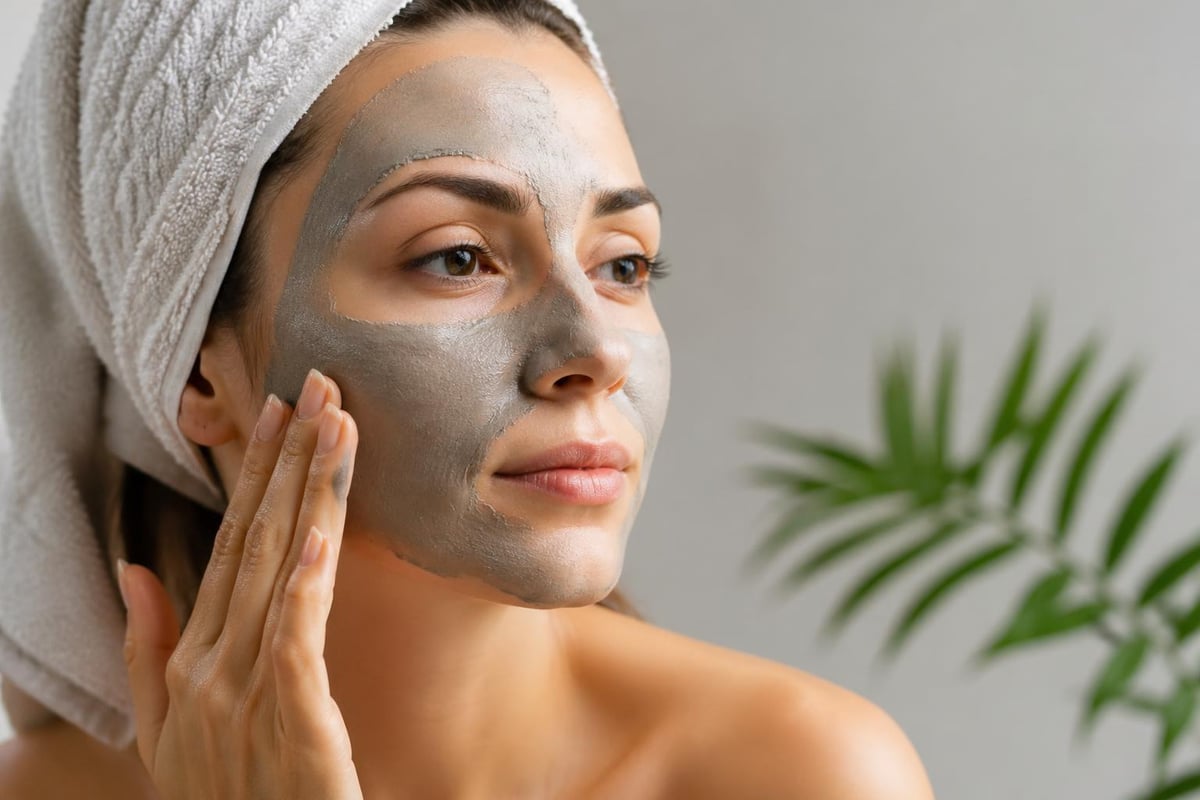
Clay masks remain a cornerstone of effective skincare, particularly for those managing oily or combination skin types. These formulations draw impurities from pores while absorbing excess sebum that contributes to breakouts and congestion.
Key benefits include:
- Deep pore cleansing
- Oil absorption
- Refinement of skin texture
- Reduction in visible pore size
Different clay varieties offer distinct advantages. Kaolin clay provides gentle purification suitable for sensitive skin, while bentonite clay delivers more intensive detoxification for resilient, oily complexions. French green clay combines both cleansing and mild exfoliation properties.
Sheet Masks
The popularity of sheet masks from Korea and Japan has revolutionized how consumers approach at-home treatments. These single-use fabric sheets saturated with serum deliver intensive hydration and active ingredients while preventing evaporation.
Sheet masks excel at providing immediate moisture and brightness before special events. The occlusive barrier created by the sheet enhances ingredient penetration, making these among the best facial masks for rapid results.
| Sheet Mask Material | Benefits | Best For |
|---|---|---|
| Cotton | Breathable, comfortable | All skin types |
| Hydrogel | Maximum adherence, cooling | Dehydrated, sensitive skin |
| Bio-cellulose | Superior serum delivery | Anti-aging, intensive treatment |
| Microfiber | Precise fit, even distribution | Targeted concerns |
Cream and Gel Masks
Cream-based formulations offer rich nourishment ideal for dry or mature skin requiring intensive moisture replenishment. These masks typically contain emollients, humectants, and occlusive agents that restore the skin barrier.
Gel masks provide lightweight hydration perfect for warmer months or oily skin types that need moisture without heaviness. Many gel formulations incorporate soothing ingredients like aloe vera or hyaluronic acid.
Selecting Masks Based on Skin Type
Choosing appropriate facial masks requires understanding your skin's unique characteristics and current condition. Even those with normal skin benefit from rotating different mask types to address changing needs throughout the year.
For Dry Skin
Dehydrated complexions demand masks rich in humectants and lipids. Look for formulations containing hyaluronic acid, ceramides, glycerin, and nourishing oils. Avoid clay masks that may further strip moisture from already compromised skin.
The best hydrating face masks incorporate multiple molecular weights of hyaluronic acid to penetrate different skin layers while creating a moisture reservoir at the surface.
For Oily and Acne-Prone Skin
Managing excess sebum production without triggering more oil requires balanced formulations. Clay masks with sulfur, salicylic acid, or tea tree oil help control breakouts while absorbing shine.
Apply these purifying treatments one to three times weekly, focusing on the T-zone where oil production typically concentrates. Avoid over-using these powerful formulations, as excessive application may trigger rebound oil production.
For Sensitive Skin
Reactive skin types require gentle, fragrance-free formulations with minimal ingredients. Calming components like centella asiatica, chamomile, and colloidal oatmeal reduce inflammation while strengthening the skin barrier.
Patch testing remains essential before applying any new product to the entire face. Apply a small amount to the inner forearm and wait 24 hours to check for adverse reactions.
Ingredient Powerhouses in the Best Facial Masks
Understanding active ingredients helps you select treatments that target your specific concerns effectively. Modern formulations combine traditional botanicals with cutting-edge skincare science.
Exfoliating Acids
Alpha hydroxy acids (AHAs) like glycolic and lactic acid dissolve dead skin cells, revealing brighter, smoother skin beneath. These water-soluble acids work on the skin's surface, making them ideal for addressing dullness and uneven texture.
Beta hydroxy acids (BHAs), particularly salicylic acid, penetrate oil to exfoliate within pores. This oil-soluble property makes BHAs the superior choice for managing blackheads and preventing breakouts.
Recommended usage frequency:
- AHA masks: 1-2 times weekly for normal skin, once weekly for sensitive skin
- BHA masks: 2-3 times weekly for oily skin, 1-2 times for combination skin
- Combination AHA/BHA: Once weekly for most skin types
Antioxidants and Vitamins
Vitamin C brightens skin and protects against environmental damage while supporting collagen production. The best facial masks with vitamin C use stable derivatives like ascorbyl glucoside or tetrahexyldecyl ascorbate for maximum efficacy.
Niacinamide addresses multiple concerns simultaneously, including pore appearance, uneven tone, and barrier function. This versatile B vitamin works well with most other ingredients, making it a valuable addition to various mask formulations.
Hydrating Heroes
Hyaluronic acid can hold up to 1,000 times its weight in water, making it indispensable for plumping and hydrating all skin types. Multi-molecular weight formulations provide both immediate surface hydration and deeper moisture penetration.
Glycerin attracts moisture from the environment and deeper skin layers to the surface, while squalane mimics skin's natural sebum to provide non-comedogenic moisture that feels weightless.
Application Techniques for Maximum Results
Proper application significantly impacts mask effectiveness. Following these professional techniques ensures you extract full benefits from each treatment.
Preparation Steps
Begin with thoroughly cleansed skin to remove makeup, sunscreen, and surface debris that could block ingredient absorption. Consider using a gentle exfoliant before clay or detoxifying masks to enhance their purifying effects.
Steam or warm water opens pores, allowing deeper penetration of active ingredients. Drape a warm, damp towel over your face for two minutes, or apply your mask after a shower when skin is naturally prepped.
Application Methods
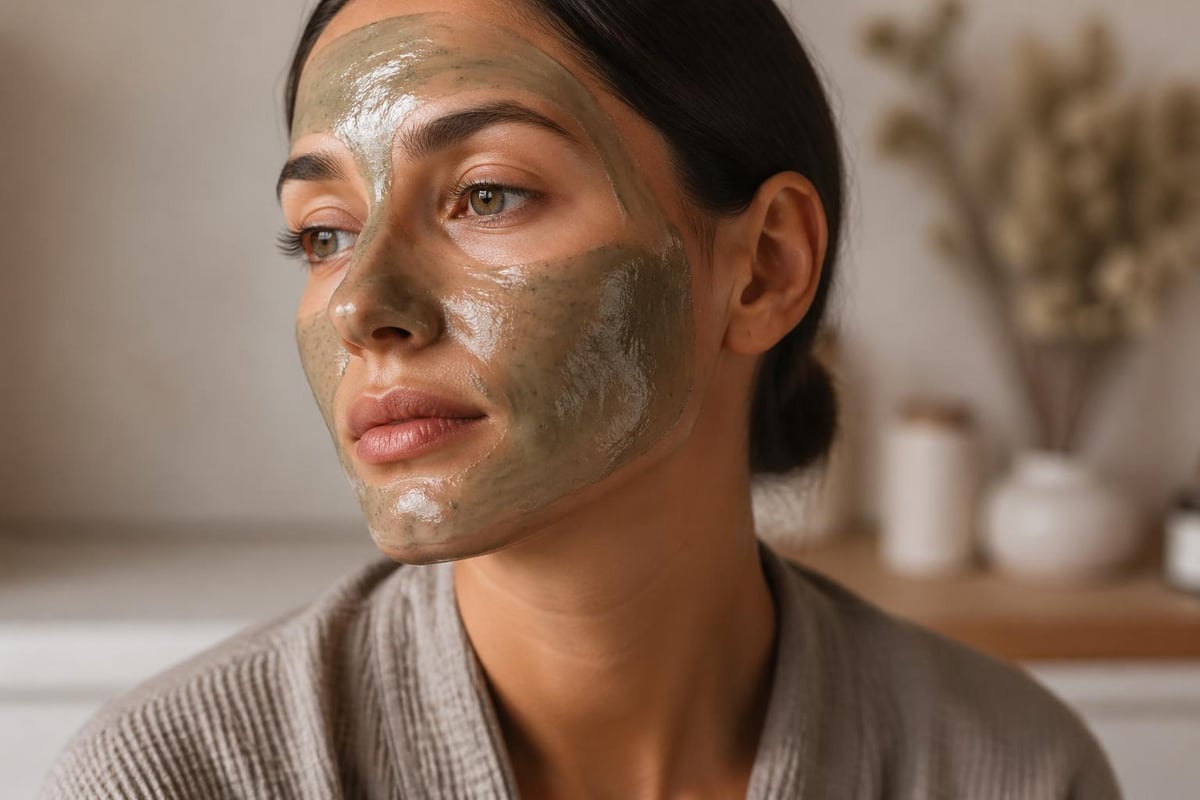
Apply masks in an even layer, avoiding the delicate eye area unless the product specifically indicates safety for that zone. Use clean fingers, a brush, or silicone applicator to ensure hygienic application.
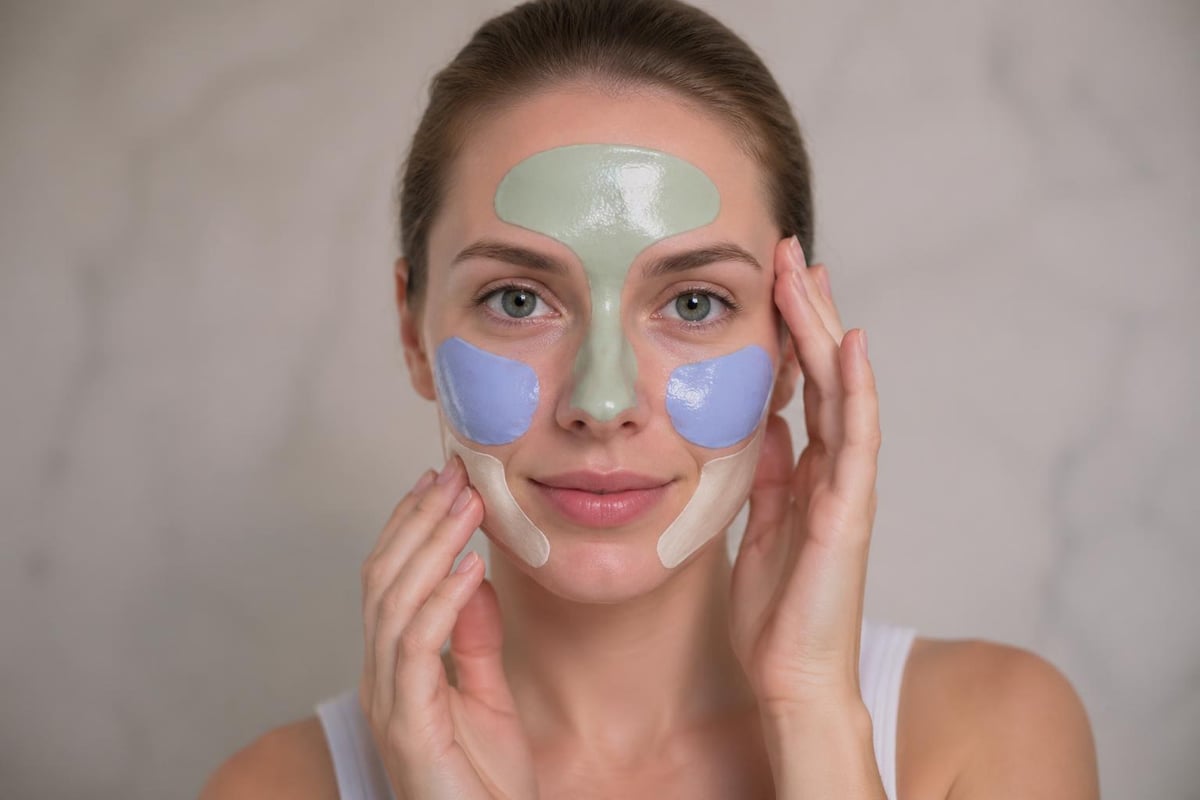
For targeted treatments recommended by dermatologists, apply different masks to different facial zones based on varying concerns. This multi-masking approach addresses combination skin effectively.
Timing and Removal
Follow package directions precisely, as leaving masks on too long may cause irritation or negate benefits. Most masks require 10-20 minutes, though some overnight treatments work while you sleep.
Remove masks gently with lukewarm water and a soft cloth. Pat skin dry rather than rubbing, then immediately apply toner, serum, and moisturizer to lock in treatment benefits.
Building a Mask Rotation Strategy
Strategic mask rotation addresses your skin's evolving needs throughout the week and across seasons. This approach prevents ingredient fatigue while maximizing results from different formulations.
Weekly Rotation Schedule
| Day | Mask Type | Primary Benefit |
|---|---|---|
| Monday | Hydrating | Weekend recovery, moisture boost |
| Wednesday | Exfoliating | Mid-week brightening, texture refinement |
| Friday | Purifying | Prep for weekend, pore cleansing |
| Sunday | Nourishing | Deep conditioning, barrier support |
Adjust frequency based on your skin's tolerance and response. Sensitive skin may require fewer weekly treatments, while resilient, oily skin often tolerates more frequent masking.
Seasonal Adjustments
Winter demands increased hydration as heating systems and cold air strip moisture from skin. Incorporate cream masks and hydrating sheet treatments more frequently during colder months. The richness of luxury skincare collections provides the intensive nourishment winter skin craves.
Summer heat and humidity may trigger increased oil production, warranting more frequent clay mask applications. Lightweight gel formulations prevent heavy feelings while delivering necessary hydration.
Professional-Grade Treatments at Home
Advances in skincare technology have brought spa-quality treatments into home bathrooms. Understanding these innovations helps you select the best facial masks for professional-level results.
LED and Light Therapy Masks
LED masks combine light wavelengths with skincare ingredients to enhance cellular function. Red light stimulates collagen production, while blue light kills acne-causing bacteria. These devices represent significant investments but deliver cumulative benefits with consistent use.
Rubber and Modeling Masks
Korean rubber masks undergo a fascinating transformation as powder mixes with water to create a gel that solidifies on skin. This process creates an occlusive seal that drives ingredients deeper while generating gentle heat for enhanced absorption.
The peel-off removal provides satisfying exfoliation, revealing immediately smoother, more radiant skin. These masks work exceptionally well before important events when you need guaranteed results.
Enzyme Masks
Fruit enzymes from papaya, pumpkin, and pineapple provide gentle exfoliation without physical scrubbing. These biological exfoliants break down the keratin protein in dead skin cells, revealing fresh skin without the potential irritation of acid-based products.
Enzyme masks suit sensitive skin that cannot tolerate AHAs or BHAs, offering a gentler path to the brightening and smoothing benefits associated with exfoliation.
Budget-Friendly Options That Deliver Results
Luxury doesn't always require luxury pricing. Many affordable drugstore face masks contain the same active ingredients as premium formulations, proving that effective skincare exists at every price point.
Identifying Quality Formulations
Examine ingredient lists rather than marketing claims. Active ingredients should appear within the first five to seven components, indicating meaningful concentrations rather than token additions for label appeal.
Avoid formulations heavy in fragrance, essential oils, or alcohol, which provide no skincare benefit while potentially irritating skin. Simple, focused formulations often outperform complex products with dozens of ingredients.
Maximizing Value
Cost-saving strategies include:
- Purchasing multi-pack sheet masks
- Choosing larger tubs of clay masks
- Mixing powdered masks yourself
- Subscribing for automatic deliveries with discounts
Many premium brands offer travel sizes or discovery sets that allow testing before committing to full-size purchases. This approach prevents waste from products that don't suit your skin.
Multi-Masking for Combination Skin
The multi-masking technique applies different formulations to different facial zones based on varying needs. This customized approach addresses combination skin more effectively than single-product applications.
Zone Mapping Strategy
Apply clay or purifying masks to the T-zone where oil production concentrates, while using hydrating or nourishing masks on the cheeks where dryness often appears. This targeted strategy ensures each area receives appropriate treatment.
The jawline and neck often show early aging signs yet receive minimal attention in standard routines. Extending anti-aging masks to these areas provides comprehensive care that prevents visible demarcation lines.
Product Pairing Guidelines
Ensure compatibility when layering multiple products. Avoid combining potentially irritating ingredients like retinol and AHAs, or vitamin C and niacinamide in unstable formulations, though modern stable versions of these combinations often work well together.
Wait five minutes between applying different masks to separate zones, allowing each formulation to begin working before introducing additional products. This spacing prevents inadvertent mixing that could dilute effectiveness.
Signs Your Mask Routine Needs Adjustment
Monitoring skin's response to treatments helps you refine your routine for optimal results. Several indicators suggest your current mask selection or frequency requires modification.
Irritation and Sensitivity
Redness, stinging, or tightness signals that masks are too harsh or applied too frequently. Reduce usage to once weekly and choose gentler formulations with fewer active ingredients until skin recovers.
Over-exfoliation manifests as shiny, tight skin that feels simultaneously dry yet oily. This condition requires a complete break from active ingredients while focusing exclusively on barrier repair through gentle, hydrating products.
Lack of Results
If you see no improvement after four to six weeks of consistent use, the formulation likely doesn't address your actual concerns. Reevaluate your skin type assessment and consider consulting expert product recommendations for professional guidance.
Sometimes skin adapts to ingredients, reducing their effectiveness over time. Rotating different formulations that address the same concern through different mechanisms prevents this adaptation while maintaining results.
Integrating Masks Into Complete Skincare Routines
Facial masks work most effectively as part of comprehensive skincare rather than standalone treatments. Strategic placement within your routine maximizes their benefits while preventing product conflicts.
Morning Versus Evening Application
Most masks suit evening application when skin naturally undergoes repair processes. This timing allows active ingredients to work overnight without interference from makeup or sun exposure.
Quick hydrating or brightening sheet masks work well in morning routines before important events, providing an instant glow and smooth canvas for makeup application. Allow fifteen minutes for full absorption before applying subsequent products.
Product Layering Sequence
After removing your mask, follow this sequence for optimal absorption:
- Toner or essence to rebalance pH
- Treatment serums targeting specific concerns
- Eye cream for delicate periorbital area
- Moisturizer to seal in all previous layers
- Facial oil if using (some prefer before moisturizer)
This layering from thinnest to thickest consistency ensures each product penetrates properly without creating a barrier that blocks subsequent applications.
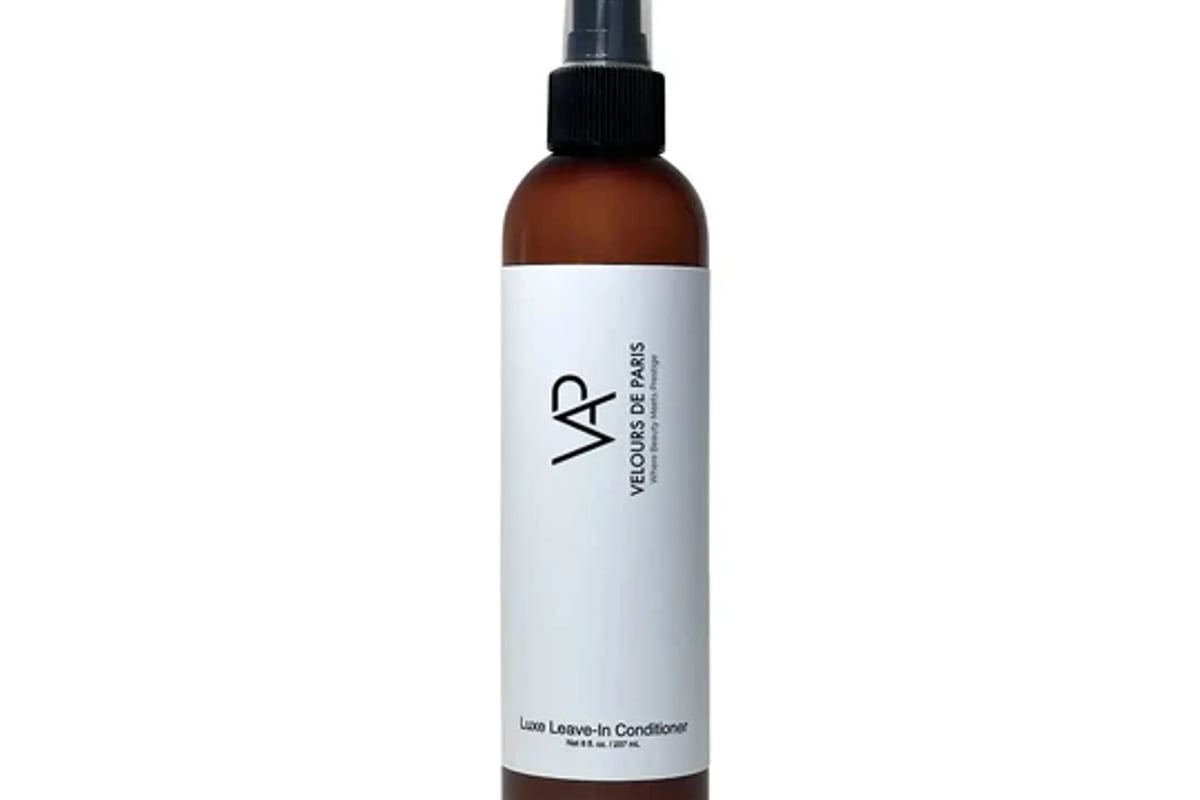
For those seeking convenience without compromising quality, Velours de Paris offers complimentary shipping on every order, making it effortless to maintain your skincare routine with premium products. Their carefully curated collection includes moisturizers and treatments that complement any masking regimen.
Addressing Specific Skin Concerns
Targeted concerns require specific ingredient combinations and mask types. Understanding these relationships helps you select the best facial masks for your unique needs.
Hyperpigmentation and Dark Spots
Brightening masks containing vitamin C, kojic acid, licorice root extract, or alpha arbutin inhibit melanin production while fading existing discoloration. Consistent weekly use over several months produces visible improvement in tone evenness.
Always follow brightening treatments with broad-spectrum SPF 30 or higher, as many lightening ingredients increase photosensitivity. Sun protection prevents new pigmentation from forming while treatments fade existing spots.
Fine Lines and Wrinkle Prevention
Anti-aging masks feature retinol, peptides, growth factors, and antioxidants that stimulate collagen production while protecting against free radical damage. These formulations work best when incorporated into routines during your late twenties or early thirties.
Hydration plays an equally crucial role in maintaining youthful skin appearance. Well-hydrated skin appears plumper, making fine lines less visible while supporting the cellular functions that maintain firmness.
Enlarged Pores
While no product can permanently shrink pores, certain treatments minimize their appearance. Clay masks combined with niacinamide, salicylic acid, and retinol keep pores clear while refining surrounding skin texture.
Regular exfoliation prevents the buildup that stretches pores, while consistent oil control reduces the sebum production that makes them appear larger. Patience and consistency prove essential for visible improvement.
DIY Masks Versus Commercial Formulations
Kitchen ingredient masks enjoy popularity for their natural appeal and cost-effectiveness. However, understanding the limitations and benefits of homemade treatments helps you make informed decisions about when to DIY and when to purchase professionally formulated products.
Benefits of DIY Approaches
Homemade masks offer complete ingredient control, allowing you to avoid allergens or irritants present in commercial products. They also provide sustainable, zero-waste alternatives to packaged goods.
Common effective DIY ingredients include honey (antibacterial, humectant), oatmeal (soothing, gentle exfoliant), yogurt (lactic acid, probiotics), and avocado (fatty acids, vitamins). These kitchen staples deliver genuine skincare benefits when applied properly.
Limitations to Consider
Commercial formulations offer advantages including:
- Precise ingredient concentrations for optimal efficacy
- Stability testing ensuring product safety and effectiveness
- Preservative systems preventing bacterial contamination
- Advanced delivery systems enhancing ingredient penetration
DIY masks lack preservatives, requiring immediate use to prevent bacterial growth. This limitation makes them impractical for regular routines despite their appeal for occasional treatments.
Storage and Shelf Life Considerations
Proper storage extends product viability while maintaining ingredient potency. Understanding these principles protects your investment while ensuring safe, effective application.
Temperature and Light Protection
Store masks in cool, dark locations away from direct sunlight and heat sources. Bathrooms, despite their convenience, often experience temperature and humidity fluctuations that degrade products faster than other storage locations.
Jar packaging exposes products to air and contaminants with each opening. Consider using clean spatulas rather than fingers for removal, preventing bacterial introduction that shortens shelf life.
Expiration Awareness
Natural and organic formulations typically expire faster than synthetic counterparts due to reduced preservative systems. Monitor these products closely and discontinue use at the first sign of separation, color change, or off odor.
Period-after-opening (PAO) symbols indicate how many months products remain viable after initial use. Mark opening dates on packages to track this timeline and prevent using degraded products that could irritate skin.
The Science Behind Mask Effectiveness
Understanding the biological mechanisms that make masks work helps you appreciate why certain formulations suit specific concerns better than others.
Occlusion and Ingredient Delivery
Masks create temporary occlusion that raises skin temperature slightly, increasing blood flow and enhancing ingredient absorption. This process explains why treatments applied under masks penetrate more effectively than the same ingredients in leave-on products.
The occlusive layer also prevents transepidermal water loss during treatment time, allowing humectants to pull moisture from the environment rather than drawing it from deeper skin layers. This mechanism ensures genuine hydration rather than temporary surface plumping.
Time-Release Technology
Advanced formulations incorporate encapsulated ingredients that release gradually as mask components dry or as skin temperature triggers their dissolution. This technology extends active ingredient contact time beyond the initial application period.
Understanding these scientific principles helps explain why cheaper alternatives sometimes underperform despite containing similar ingredients. Delivery systems and formulation expertise significantly impact real-world results beyond simple ingredient lists.
Common Masking Mistakes to Avoid
Even experienced skincare enthusiasts sometimes make errors that reduce mask effectiveness or cause unwanted side effects. Recognizing these common pitfalls helps you optimize your routine.
Over-Application
More frequent use doesn't accelerate results and often causes irritation, barrier damage, or increased sensitivity. Respect recommended usage frequencies even when tempted to speed visible improvement.
Applying masks too thickly wastes product without enhancing benefits. Most formulations work optimally in thin, even layers that allow skin contact while maintaining necessary ingredient concentrations.
Ignoring Patch Tests
New products warrant patch testing regardless of ingredient familiarity. Formulation synergies sometimes create unexpected reactions even when individual components have proven safe previously.
Apply a small amount to the inner forearm or behind the ear, waiting 24 hours before full facial application. This simple precaution prevents widespread reactions that require days or weeks to resolve.
Neglecting Neck and Décolletage
The neck and chest age as quickly as facial skin yet receive significantly less attention in most routines. Extending mask application to these areas provides comprehensive care that prevents the telltale signs of aging many overlook until damage becomes obvious.
These delicate areas often tolerate gentler formulations better than intense treatments suitable for facial application. Consider using hydrating or nourishing masks rather than potent exfoliating or purifying treatments in these zones.
Selecting and using the best facial masks transforms your complexion while providing luxurious self-care moments that benefit both skin and spirit. By understanding your skin type, rotating appropriate formulations, and applying products correctly, you harness these powerful treatments for maximum benefit. Whether you prefer clay purification, hydrating sheets, or targeted serums, consistent masking elevates your routine to professional levels. Discover how Velours de Paris combines Parisian elegance with effective formulations designed to enhance your natural beauty through refined, luxurious skincare that delivers visible results.